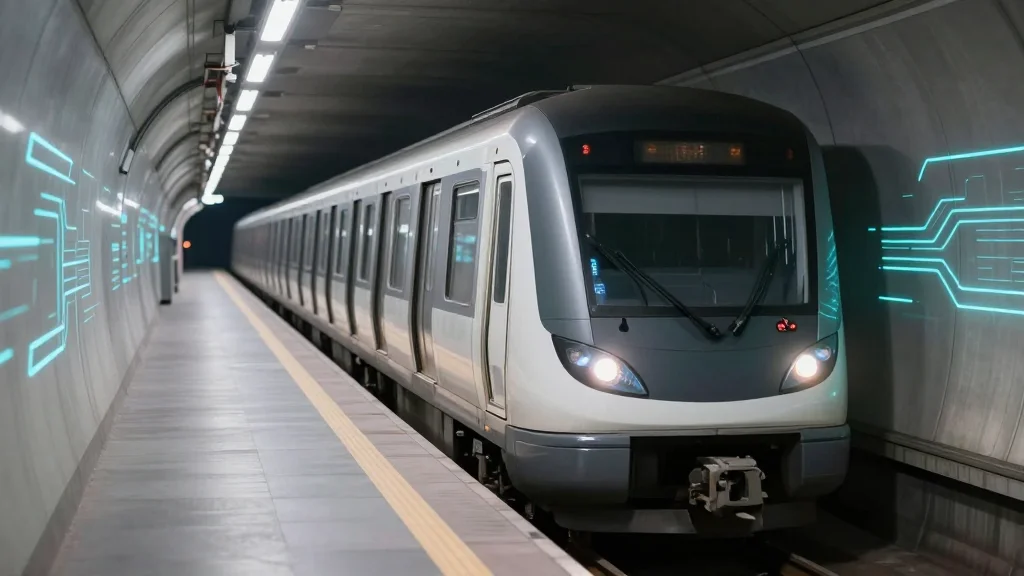
Baku Metro Expansion Project - Phase II (Green Line)
Why It Matters
The upgrade will significantly increase train frequency and reliability while attracting international technology partners, positioning Baku as a regional smart‑transport hub.
Key Takeaways
- •Project budget totals roughly US$350 million for signaling and digital upgrades
- •ADB leads financing; AIIB co‑financing under consideration
- •Procurement may begin Q3 2026, targeting CBTC train control technology
- •Early Market Engagement invites global vendors to shape project scope
- •Operations Control Center and cybersecurity systems to be modernized
Pulse Analysis
Baku’s metro network, serving over 600,000 daily riders, is embarking on its second phase of expansion with a US$350 million signaling modernization and operations digitalization effort. The upgrade will replace legacy relay‑based controls with Communications‑Based Train Control (CBTC), enabling higher train frequencies, improved safety, and reduced energy consumption. A new Operations Control Center will centralize monitoring, while advanced asset‑management platforms will automate maintenance scheduling. By integrating cybersecurity safeguards, the project aligns the system with international standards, positioning Baku as a benchmark for smart urban transit in the Caucasus.
Financing is anchored by the Asian Development Bank, with the Asian Infrastructure Investment Bank poised to provide co‑financing, reflecting the lenders’ confidence in the region’s growth prospects. The Early Market Engagement (EME) event, scheduled for late April, offers prospective suppliers a glimpse of the project’s technical scope and procurement timeline, which is slated to commence in the third quarter of 2026. Participants can influence the final design, ensuring that the procurement framework—guided by the 2017 ADB Procurement Policy—remains transparent and competitive across global markets.
For technology vendors, system integrators, and consultants, the Baku Metro initiative represents a gateway to a high‑visibility contract in a fast‑growing market. Successful bidders will gain a foothold in the Eurasian rail sector, potentially leveraging the experience for future projects funded by multilateral development banks. The digitalization component also creates ancillary opportunities in data analytics, IoT connectivity, and cybersecurity services. As Baku moves toward a fully automated, resilient metro system, the project is set to stimulate local employment, boost operational efficiency, and attract further foreign investment.
Baku Metro Expansion Project - Phase II (Green Line)
Comments
Want to join the conversation?
Loading comments...