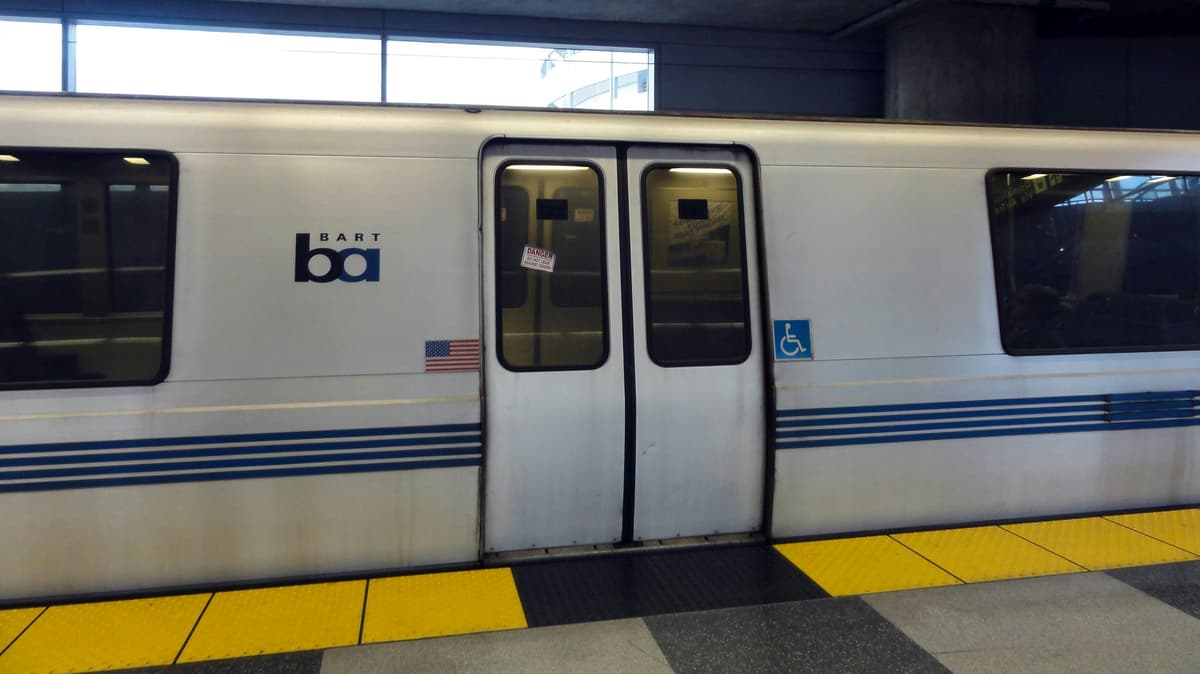
BART Board Approves FY27 Budget, Maintains Service and Fare Price
Companies Mentioned
Why It Matters
The plan secures BART’s financial stability without raising fares, protecting riders and enabling critical infrastructure upgrades that support regional mobility.
Key Takeaways
- •BART FY27 operating budget $1.2 B, capital $828 M.
- •$375 M deficit addressed via $74 M new revenue, $88.5 M borrowing.
- •No fare hikes; discounts maintained for seniors, youth, low‑income.
- •Ridership projected >200,000 weekday trips, 12% growth FY26.
- •Efficiency plan cuts 63 jobs, saves $11 M labor costs.
Pulse Analysis
Public transit agencies across the United States are still grappling with the financial fallout of the pandemic, and BART exemplifies the challenge. Historically reliant on farebox revenue, the agency now faces a $375 million structural shortfall as remote work depresses trip frequency. By positioning a $74 million sales‑tax measure on the 2026 ballot and securing $88.5 million in low‑interest borrowing, BART aims to bridge the gap while preserving service levels. This approach reflects a broader shift toward diversified funding streams, including state emergency reserves and innovative revenue sources such as demand‑based parking fees.
Beyond new funding, BART’s FY27 budget leans heavily on operational efficiencies to protect riders from fare increases. The board approved the elimination of 63 full‑time positions, delivering $11 million in labor savings, and identified $18.2 million in ongoing cuts through department streamlining. Simultaneously, the $828 million capital allocation accelerates critical projects—communications‑based train control, traction‑power upgrades, and a modernized Operations Control Center—that promise to boost reliability and reduce long‑term maintenance costs. These investments are largely funded by voter‑approved Measure RR and a mix of federal, state, and local grants, underscoring the importance of leveraging external capital for infrastructure renewal.
The implications extend beyond the Bay Area. By maintaining fare discounts for seniors, youth, low‑income riders, and people with disabilities, BART demonstrates a commitment to equity while navigating fiscal constraints. The projected weekday ridership of over 200,000 trips signals a rebound that could influence other transit agencies considering similar balanced‑budget strategies. As the regional funding measure heads to the November ballot, its outcome will likely set a precedent for how metropolitan transit systems secure sustainable financing without compromising service quality.
BART Board approves FY27 budget, maintains service and fare price
Comments
Want to join the conversation?
Loading comments...