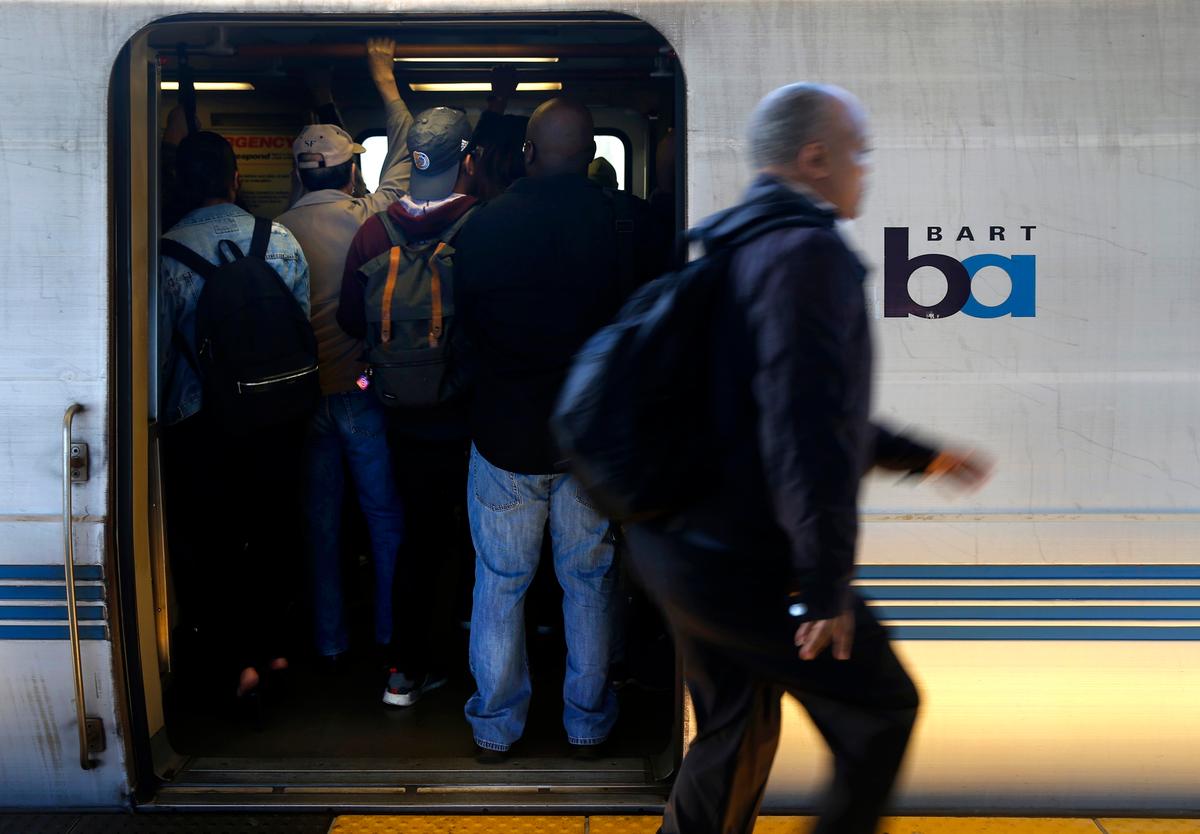
BART Ridership Surged While I-80 Was Closed Through San Francisco
Why It Matters
The ridership boost demonstrates BART’s essential role during infrastructure disruptions and underscores the urgency of securing new funding to avoid severe service reductions that would affect the Bay Area’s mobility.
Key Takeaways
- •BART ridership jumped 46% Saturday and Sunday during I‑80 closure.
- •Bay Bridge westbound traffic fell 7% Saturday, showing modal shift.
- •BART faces $376 million deficit, may cut 10‑15 stations without new funding.
- •Connect Bay Area Act proposes $1 billion annual sales tax for regional transit.
Pulse Analysis
The temporary closure of eastbound I‑80 forced commuters to seek alternatives, and BART quickly absorbed the displaced traffic. A 46% weekend ridership increase—mirroring the agency’s strongest post‑pandemic numbers—highlights the system’s capacity to serve as a reliable fallback when road networks falter. This pattern reinforces the long‑standing argument that robust public transit is a critical component of regional resilience, especially in a corridor as congested as the Bay Bridge approach.
Beyond the immediate surge, the episode shines a light on BART’s precarious financial position. The agency projects a $376 million shortfall that could trigger the closure of up to 15 stations, elimination of the Red and Green lines, or drastic cuts to late‑night service. Such reductions would erode the very flexibility that proved valuable during the I‑80 shutdown, potentially pushing more commuters back onto already strained highways. The looming fiscal cliff has spurred advocacy for the Connect Bay Area Act, a ballot measure seeking a regional sales tax to generate roughly $1 billion annually for BART, Muni, AC Transit, Caltrain and others.
For policymakers and business leaders, the takeaway is clear: investment in transit infrastructure yields immediate dividends during emergencies and safeguards long‑term economic vitality. As remote‑work trends persist, agencies must balance cost‑containment with service reliability to retain ridership. The I‑80 closure serves as a real‑world case study that could influence upcoming transit funding debates and shape the Bay Area’s transportation landscape for years to come.
BART Ridership Surged While I-80 Was Closed Through San Francisco
Comments
Want to join the conversation?
Loading comments...