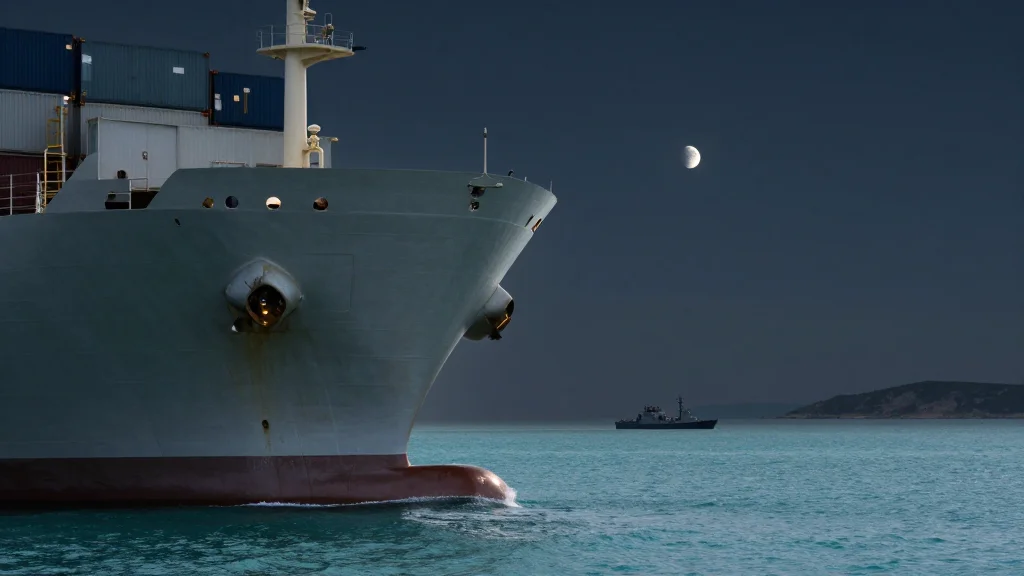
‘Basically Sending Someone Unarmed Into War’: The Life-or-Death Decision Silke Faces Every Day
Companies Mentioned
Why It Matters
The strait handles a sizable share of global oil and container traffic; any disruption reverberates through supply chains, freight rates and broader economic stability.
Key Takeaways
- •First Hapag‑Lloyd vessel crossed Hormuz safely after two‑month ban
- •Two European‑owned ships seized by Iran, raising security concerns
- •About 100 crew from seven nations stranded on four ships
- •Maersk and other majors keep vessels idle, citing unsafe conditions
- •Decision hinges on U.S. and Iranian guarantees against mines and attacks
Pulse Analysis
The Strait of Hormuz has long been a geopolitical flashpoint, but the recent escalation following U.S. and Israeli strikes on Iran has turned it into a live‑fire testing ground for commercial shipping. Roughly 20% of the world’s oil passes through the 21‑nautical‑mile channel, and container vessels use it as the shortest route between Asia and Europe. When naval forces, mines and rapid policy swings converge, insurers, freight forwarders and commodity traders all feel the ripple effects, often in the form of higher charter rates and cargo delays.
For Hapag‑Lloyd, the world’s fifth‑largest container carrier, the dilemma is both operational and human. Captain Silke Lehmköster must balance real‑time intelligence, weather data and crew welfare against the financial pressure to keep vessels moving. The successful crossing of the Tema Express offered a rare data point, yet the seizure of two European‑owned ships by Iran underscored that a single misstep can cost a vessel, its cargo and the lives of multinational crews. The company’s 310‑ship fleet now sits at a crossroads, awaiting unequivocal safety guarantees before committing the remaining four ships to the perilous passage.
Industry‑wide, the episode signals a broader shift in maritime risk management. Major players such as Maersk, CMA CGM and MSC are either rerouting around the Arabian Sea or idling ships, inflating global container availability and tightening spot rates. Regulators and naval forces are under pressure to clear mines—a process projected to take months—while diplomatic channels scramble for a stable cease‑fire. For shippers and investors, the key takeaway is that geopolitical volatility around Hormuz will remain a pricing lever and a supply‑chain contingency factor well into the next fiscal year.
‘Basically sending someone unarmed into war’: The life-or-death decision Silke faces every day
Comments
Want to join the conversation?
Loading comments...