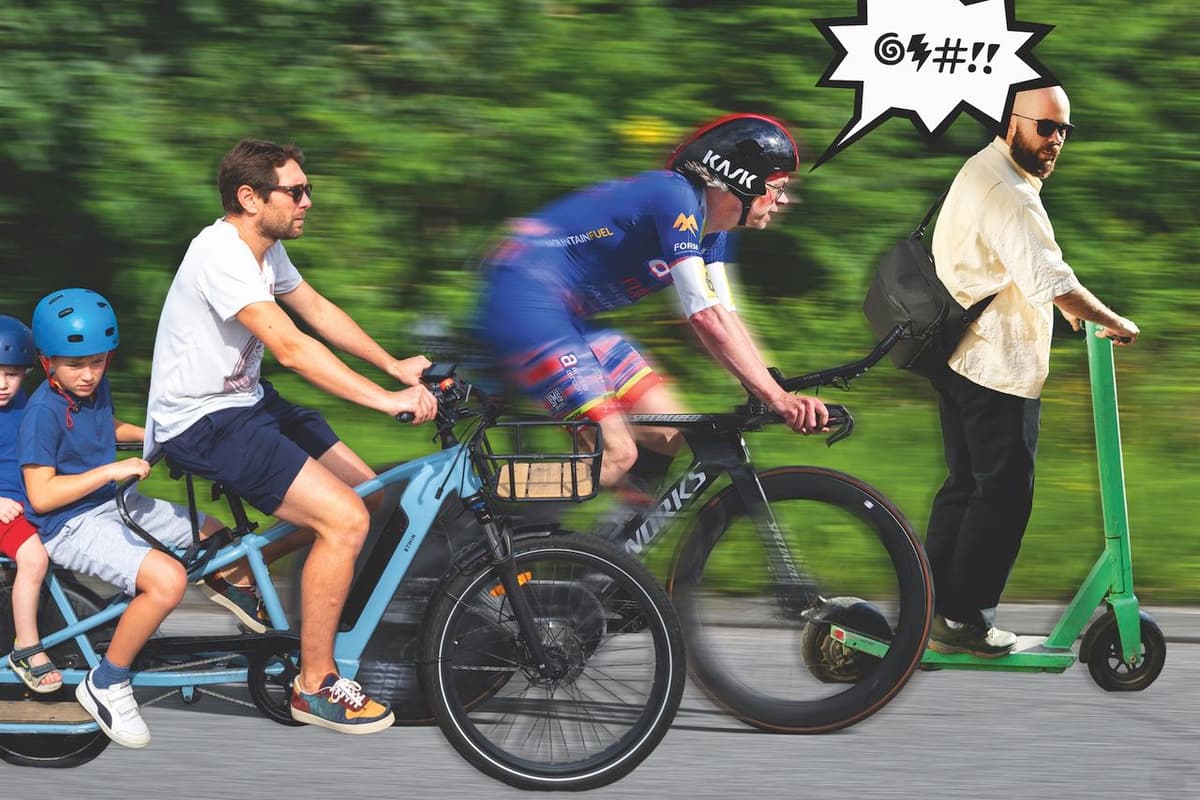
Battery Technology Means No One Knows Who to Hate Anymore

Why It Matters
The expanding e‑mobility ecosystem pressures cities to rethink infrastructure and legislation, while unresolved safety dynamics risk accidents and public backlash. Understanding these shifts is crucial for policymakers, manufacturers, and investors shaping the future of urban transport.
Key Takeaways
- •E‑bikes, e‑scooters, cargo e‑bikes multiply road users.
- •Legal definitions struggle to keep pace with tech.
- •Shared paths face safety conflicts among diverse vehicles.
- •Upgrade market fuels continuous consumer spending.
- •Policymakers must redesign infrastructure for mixed electric traffic.
Pulse Analysis
Battery‑powered micro‑mobility has moved from niche hobby to mainstream urban transport. Global e‑bike sales topped 70 million units in 2023, while dockless scooter operators report double‑digit growth in major cities. The common denominator is lithium‑ion chemistry, which delivers higher energy density at lower cost, enabling lightweight, fast‑moving devices that appeal to commuters, delivery workers, and recreational riders alike. This rapid adoption reshapes travel patterns, reduces car trips, and creates new data streams for city planners seeking to optimise traffic flow.
The influx of electric devices strains existing road hierarchies that were designed for three user groups: pedestrians, cyclists and motor vehicles. Legal frameworks lag, leaving de‑limited e‑bikes and illegal scooters in a gray zone, while shared paths become collision hotspots where a pedestrian, a cargo bike, an e‑scooter and a speed‑restricted e‑bike may converge. Safety studies show a 30 % rise in mixed‑traffic incidents on mixed‑use trails over the past two years, prompting municipalities to pilot dedicated lanes, speed caps, and clearer signage. Regulators must balance innovation with risk mitigation, updating vehicle classifications and enforcement tools to protect vulnerable users.
For manufacturers, the fragmented market fuels a lucrative upgrade ecosystem. Consumers can replace batteries, motor kits, or smart controllers for a fraction of a new bike’s price, driving recurring revenue streams. OEMs are partnering with aftermarket firms to offer modular components that extend product lifecycles and lock users into brand ecosystems. Investors see this as a growth engine, with component‑level sales projected to outpace whole‑bike shipments by 2026. Companies that combine robust safety features with easy‑upgrade pathways are poised to dominate the next wave of urban mobility, while cities that provide clear infrastructure will reap the benefits of reduced congestion and greener streets.
Battery technology means no one knows who to hate anymore
Comments
Want to join the conversation?
Loading comments...