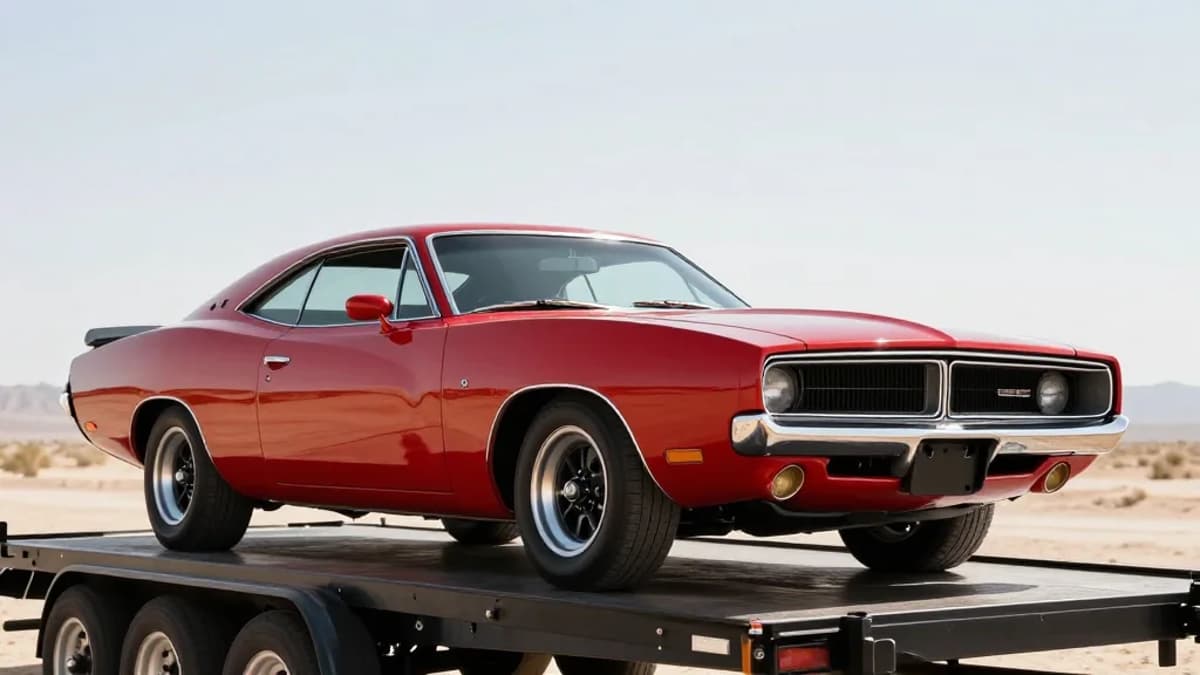
Behind the Scenes: How Car Shipping Powers Large-Scale, Cross-Country Movie Logistics
•March 2, 2026
0
Why It Matters
Accurate car‑shipping forecasts safeguard production timelines and budgets, directly influencing a film’s visual continuity and bottom line. As cross‑country shoots become the norm, logistics efficiency becomes a competitive advantage for studios.
Key Takeaways
- •Vehicle shipping integrated early into film budgets.
- •Precise quotes prevent schedule delays and extra costs.
- •Enclosed transport protects collectible and hero cars.
- •Digital calculators enable real‑time cost scenario planning.
- •Misaligned deliveries can halt crew payroll and lighting.
Pulse Analysis
The surge in state‑level film incentives has turned the United States into a patchwork backlot, prompting productions to hop from Atlanta’s studios to Nevada’s deserts within weeks. This mobility forces producers to treat vehicle transport as a line item rather than an afterthought; early auto‑shipping quotes shape location decisions, crew travel plans, and insurance coverage. By embedding transport costs into the budgeting phase, studios can lock in carrier capacity, negotiate rates, and align delivery windows with tight lighting schedules, ensuring that the iconic hero car appears on cue.
Digital platforms now provide instant car‑shipping estimates by inputting distance, carrier type, and seasonal demand variables. These tools empower transportation coordinators to run multiple scenarios—enclosed versus open carriers, staggered arrivals, or buffer days for weather‑related reroutes—without waiting for manual quotes. The resulting data informs creative choices, such as whether to ship a vintage Chevrolet for continuity or substitute a look‑alike, and helps mitigate risk by quantifying potential storage fees or overtime labor if a delivery slips.
Looking ahead, the logistics landscape will grow more complex as productions adopt electric vehicles, specialized stunt rigs, and increasingly granular insurance requirements. Carrier availability fluctuates with fuel markets and seasonal demand, making real‑time cost modeling essential. Productions that master precise, data‑driven vehicle shipping can preserve continuity, protect payroll, and keep shooting schedules on track, turning what is often an invisible backbone into a strategic advantage.
Behind the Scenes: How Car Shipping Powers Large-Scale, Cross-Country Movie Logistics
0
Comments
Want to join the conversation?
Loading comments...