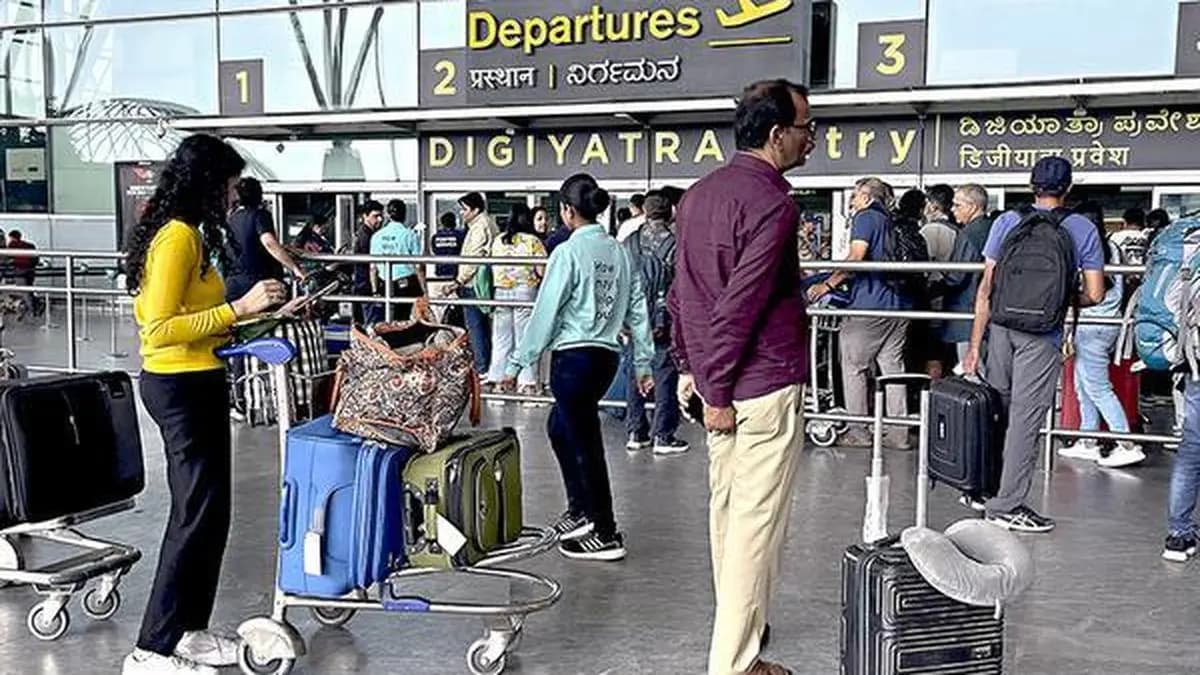
Bengaluru Airport Surpasses Mumbai in Domestic Traffic
Companies Mentioned
Why It Matters
The shift signals a rebalancing of domestic air demand toward airports with newer infrastructure, reshaping airline route strategies and prompting investment in capacity‑constrained hubs like Mumbai.
Key Takeaways
- •Bengaluru handled 3.17 million domestic passengers in April 2026.
- •Mumbai's domestic traffic fell 12.1% to 2.89 million passengers.
- •Navi Mumbai grew three‑fold, handling 524,000 passengers in April.
- •IndiGo shifted several routes from Mumbai to Navi Mumbai this year.
Pulse Analysis
Bengaluru’s ascent to the second‑busiest domestic airport underscores how infrastructure upgrades can quickly translate into market share gains. The airport’s second runway, opened in 2019, and a new terminal in 2022 have alleviated bottlenecks, allowing carriers to add frequencies and new destinations. In contrast, Mumbai’s legacy terminals remain constrained, prompting airlines to divert capacity to the nearby Navi Mumbai facility, which has experienced a three‑fold increase in domestic flights since its launch last December. This redistribution reflects a broader industry response to capacity pressures, with carriers seeking airports that can support growth without compromising on turnaround times.
Airlines are capitalizing on Bengaluru’s expanded capabilities. IndiGo, now operating its second‑largest hub after Delhi, and the Air India group have both increased their presence, leveraging the airport’s modern facilities to launch new routes and improve connectivity to tier‑2 cities. The shift of routes such as Ayodhya, Agra, and Tirupati to Navi Mumbai illustrates a strategic realignment, where airlines balance hub efficiency against passenger demand patterns. These moves also hint at a competitive dynamic where carriers prioritize airports that offer lower slot costs and smoother operational flows, potentially reshaping the domestic network map over the next few years.
For the Indian aviation market, the Bengaluru‑Mumbai traffic swap signals a pivotal moment for capacity planning and investment. As domestic travel rebounds post‑pandemic, airports with scalable infrastructure will attract more airline commitment, driving regional economic growth. Policymakers may need to accelerate runway and terminal projects at congested hubs like Mumbai to retain their status, while newer airports such as Navi Mumbai could become critical overflow nodes. Passengers stand to benefit from increased flight options and reduced congestion, but the industry must manage the transition carefully to avoid over‑extension of newer facilities. Overall, the trend highlights the importance of aligning airport capacity with the rapid growth trajectory of India’s domestic air travel market.
Bengaluru airport surpasses Mumbai in domestic traffic
Comments
Want to join the conversation?
Loading comments...