Why It Matters
The stricter regime aims to prevent repeat tragedies, improve passenger safety, and restore confidence in Mumbai’s public‑transport network, while setting a benchmark for wet‑lease operations nationwide.
Key Takeaways
- •BEST mandates daily pre‑departure checks for all electric and CNG wet‑lease buses.
- •Four‑week mandatory training replaces one‑week module for wet‑lease drivers.
- •400+ buses inspected; 11 removed for safety violations.
- •Operators must document inspections and withhold defective buses from service.
- •Driver fatigue tackled via rest policies and timely wage payments.
Pulse Analysis
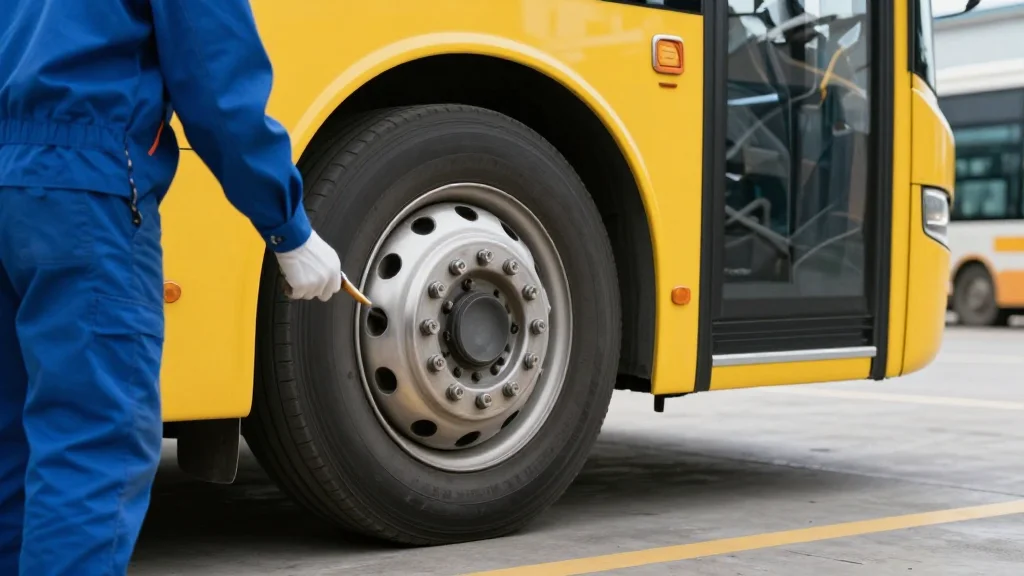
The Dadar collision, which claimed multiple lives, has thrust Mumbai’s wet‑lease bus sector into the spotlight. BEST, the city’s primary public‑transport authority, has long relied on private operators to supplement its fleet, but the crash exposed gaps in vehicle fitness and driver readiness. By mandating comprehensive pre‑departure inspections for every electric and CNG bus, BEST is moving from reactive penalties to proactive risk mitigation, a shift that aligns with global best practices for urban transit safety.
Under the new directives, each of BEST’s 27 depots must conduct daily mechanical and electrical checks, record the outcomes, and keep any bus with identified defects out of service until repairs are verified. The training overhaul expands the curriculum to a four‑week mandatory program, emphasizing electric‑bus handling, automatic‑transmission operation, and fatigue management. Operators are also required to enforce rest periods and ensure timely wage payments, addressing the human‑factor risks that often precede accidents. These measures collectively raise the competency bar for wet‑lease drivers, who previously received only a brief one‑week orientation.
The ripple effects extend beyond Mumbai. As India’s megacities grapple with rapid fleet electrification, BEST’s approach could become a template for other transport agencies seeking to balance cost‑effective outsourcing with stringent safety standards. By publicly documenting inspections and removing non‑compliant buses—11 out of a recent sample of over 400—the authority signals zero tolerance for sub‑par maintenance. If replicated, such policies may improve overall service reliability, reduce accident rates, and bolster public trust in shared mobility solutions across the country.
BEST orders stricter safety checks for wet lease buses
Comments
Want to join the conversation?
Loading comments...