Best-Selling Plug-In Hybrids More Costly than Electric Vehicles, Research Finds
Companies Mentioned
Why It Matters
The hidden cost gap makes plug‑in hybrids less attractive, accelerating the shift toward fully electric cars as governments tighten zero‑emission mandates.
Key Takeaways
- •Average PHEV price exceeds EV equivalent by £4,150 ($5,300).
- •Real‑world fuel use three times manufacturers’ claim, raising costs over £1,030 ($1,300) annually.
- •PHEVs cost £620 ($790) more per year to fuel than EVs.
- •Including service, tax, insurance, PHEVs are £1,000 ($1,270) pricier yearly.
- •UK BEV share 22% in March, below 33% 2026 target.
Pulse Analysis
The Energy & Climate Intelligence Unit’s latest study uncovers a stark price premium for plug‑in hybrids in the United Kingdom. By comparing the ten best‑selling PHEVs with their electric‑vehicle counterparts, researchers found an average cost gap of £4,150, roughly $5,300, and a 10% higher purchase price. More concerning is the real‑world fuel consumption, which runs at three times the advertised figure, inflating annual fuel expenses to over £1,030 ($1,300). When combined with higher servicing, tax and insurance outlays, the total cost of ownership can exceed £1,000 ($1,270) per year versus a comparable EV.
These cost disadvantages arrive as the UK government pushes aggressively toward a zero‑emission future. The Zero Emission Vehicle (ZEV) Mandate obliges manufacturers to ensure 80% of new cars and vans are zero‑emission by 2030, rising to 100% by 2035. March 2024 marked a record month for EV registrations, with 196,059 electric‑powered vehicles—both hybrids and battery‑electric—sold, and BEVs alone up 24.2% year‑on‑year. Despite this momentum, battery‑electric vehicles still account for only 22% of new registrations, well below the 33% share the government expects by 2026, suggesting a continued need for policy incentives and consumer education.
Globally, the transition mirrors the UK’s trajectory. Over 21 million EVs were registered worldwide in 2025, a 23% increase, bringing the global fleet to roughly 74 million, with China, the United States, and Germany leading the count. As oil price volatility persists—exacerbated by geopolitical tensions—consumers are increasingly sensitive to total cost of ownership. The emerging data underscores that fully electric vehicles not only offer lower upfront pricing in many segments but also deliver substantial savings on fuel and maintenance, positioning them as the more resilient choice in a market moving toward stricter emissions standards.
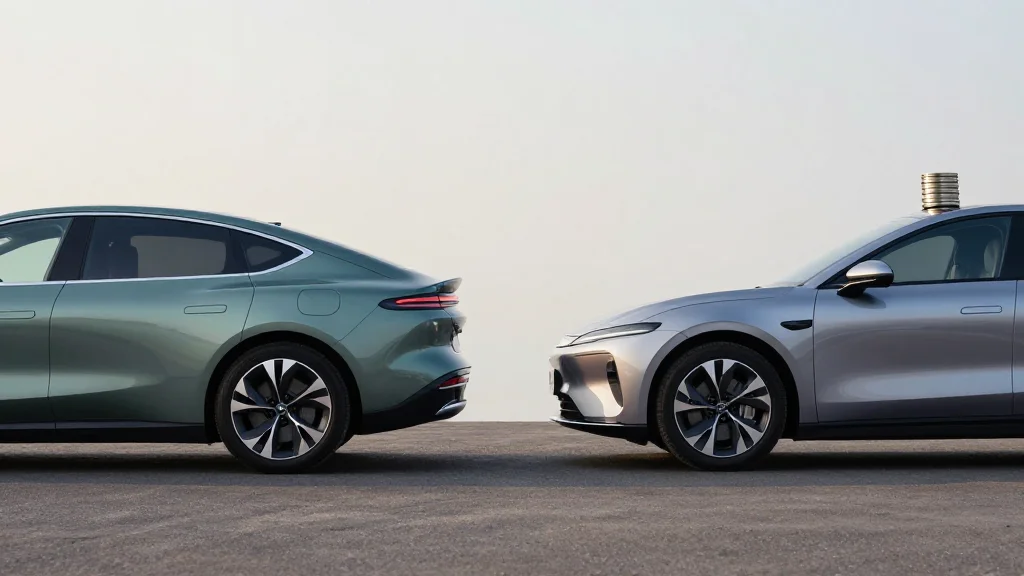
Best-selling plug-in hybrids more costly than electric vehicles, research finds
Comments
Want to join the conversation?
Loading comments...