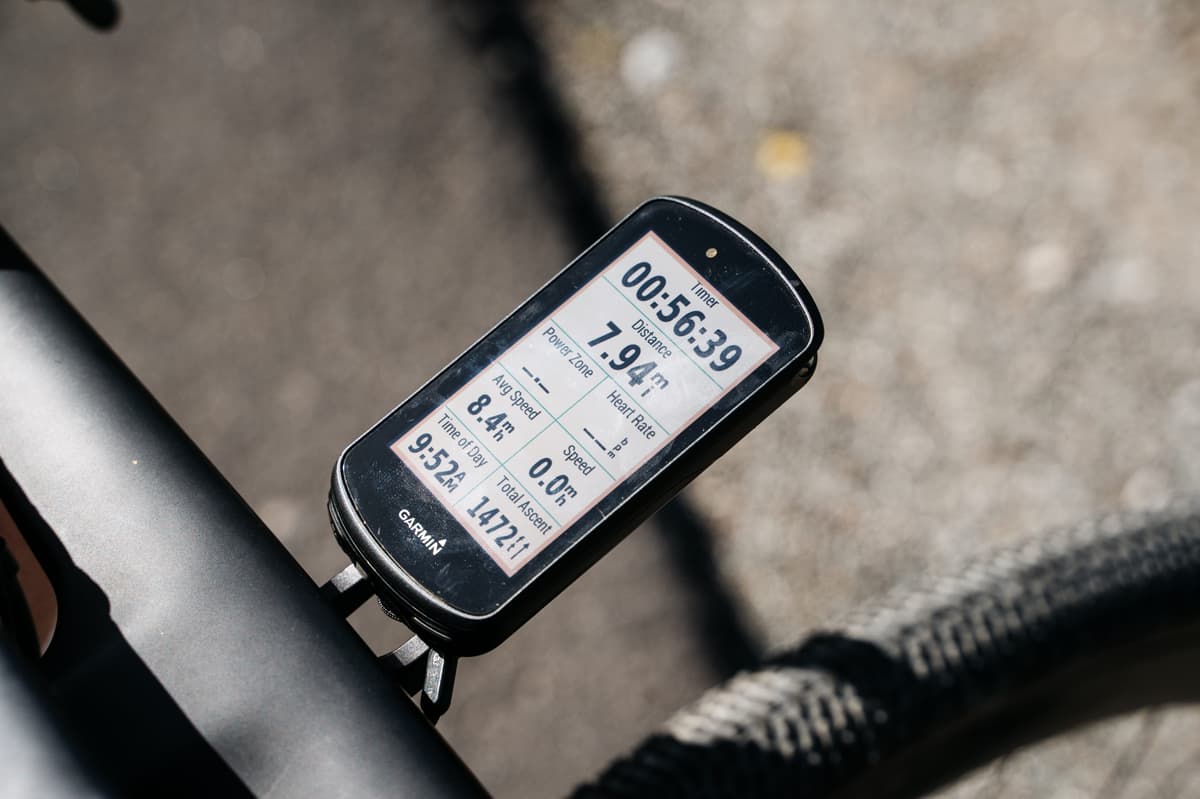
Better Rides, Easy Navigation, Clear Data: Our Editors’ 8 Best-Tested GPS Bike Computers
Companies Mentioned
Why It Matters
Choosing the right bike computer directly improves ride safety, training precision, and overall enjoyment, while pushing manufacturers to innovate on integration, battery life, and user experience.
Key Takeaways
- •Hammerhead Karoo offers best navigation with on‑the‑fly route changes
- •Wahoo Elemnt Bolt V3 balances price, features, and compact design
- •Garmin Edge 840 provides extensive training metrics for data‑driven riders
- •Coros Dura Solar delivers up to 120‑hour battery life at $250
- •Screen size and ecosystem compatibility drive purchase decisions
Pulse Analysis
The cycling market has moved beyond using smartphones as makeshift navigation tools, embracing purpose‑built bike computers that combine GPS, performance analytics, and connectivity in a rugged, bar‑mounted form factor. Manufacturers such as Garmin, Wahoo, Hammerhead, and Coros have turned these devices into mini‑smartphones, offering turn‑by‑turn directions, real‑time power data, and seamless sync with platforms like Strava and TrainingPeaks. This shift improves rider safety by keeping phones out of the line of sight while delivering richer data streams that help cyclists fine‑tune training and route planning.
Among the newest models, the Hammerhead Karoo shines with an intuitive touchscreen and on‑the‑fly routing, ideal for riders who prioritize navigation. Wahoo’s Elemnt Bolt V3 offers a compact, bright 2.3‑inch display at a budget‑friendly price, delivering reliable data for everyday cyclists. Garmin’s Edge 840 targets data‑geeks, packing VO₂ max, training load, and advanced dynamics into a 2.6‑inch screen. For ultra‑long rides, Coros Dura Solar provides a claimed 120‑hour battery for about $250, while the Edge 1050 adds a large 3.5‑inch display and crash‑detection for safety‑focused athletes.
Choosing the right bike computer hinges on screen size, ecosystem compatibility, and battery expectations. Cyclists should match the device’s operating system—Garmin’s Connect IQ, Wahoo’s app, or Hammerhead’s Android base—with their preferred sensors and training platforms to avoid fragmented experiences. Emerging features such as solar charging, multisport modes, and automatic crash detection signal a shift toward all‑in‑one performance hubs. As prices continue to fall and software updates add functionality, riders can expect future models to blur the line between dedicated bike computers and smartwatches, delivering ever‑greater value.
Better Rides, Easy Navigation, Clear Data: Our Editors’ 8 Best-Tested GPS Bike Computers
Comments
Want to join the conversation?
Loading comments...