Beyond GPS: How ANELLO Photonics Is Building Navigation Resilience for Commercial Drones
Why It Matters
By providing a resilient inertial layer, ANELLO enables autonomous drone fleets to operate reliably in GPS‑denied environments, unlocking scale and meeting upcoming safety regulations.
Key Takeaways
- •SiPhOG integrates optical gyroscope on silicon chip, cutting size and cost
- •Vibration‑immune sensing keeps drones stable when GPS is unavailable
- •Target markets include heavy‑lift, agriculture, and BVLOS commercial drones
- •Regulatory trends (e.g., Part 108) will demand redundant navigation systems
- •Optical inertial tech outperforms MEMS gyros in high‑vibration settings
Pulse Analysis
The commercial drone sector has built its operational model around GPS, a technology that delivers instant, affordable positioning. Yet real‑world missions—flying through orchards, tunnels, or over water—often suffer from signal degradation, multipath interference, or deliberate jamming. When GPS drops, traditional MEMS inertial measurement units lose calibration, causing drones to become unstable or refuse to launch. This vulnerability hampers scaling autonomous fleets, especially as operators aim for beyond‑visual‑line‑of‑sight (BVLOS) flights that require minimal human oversight.
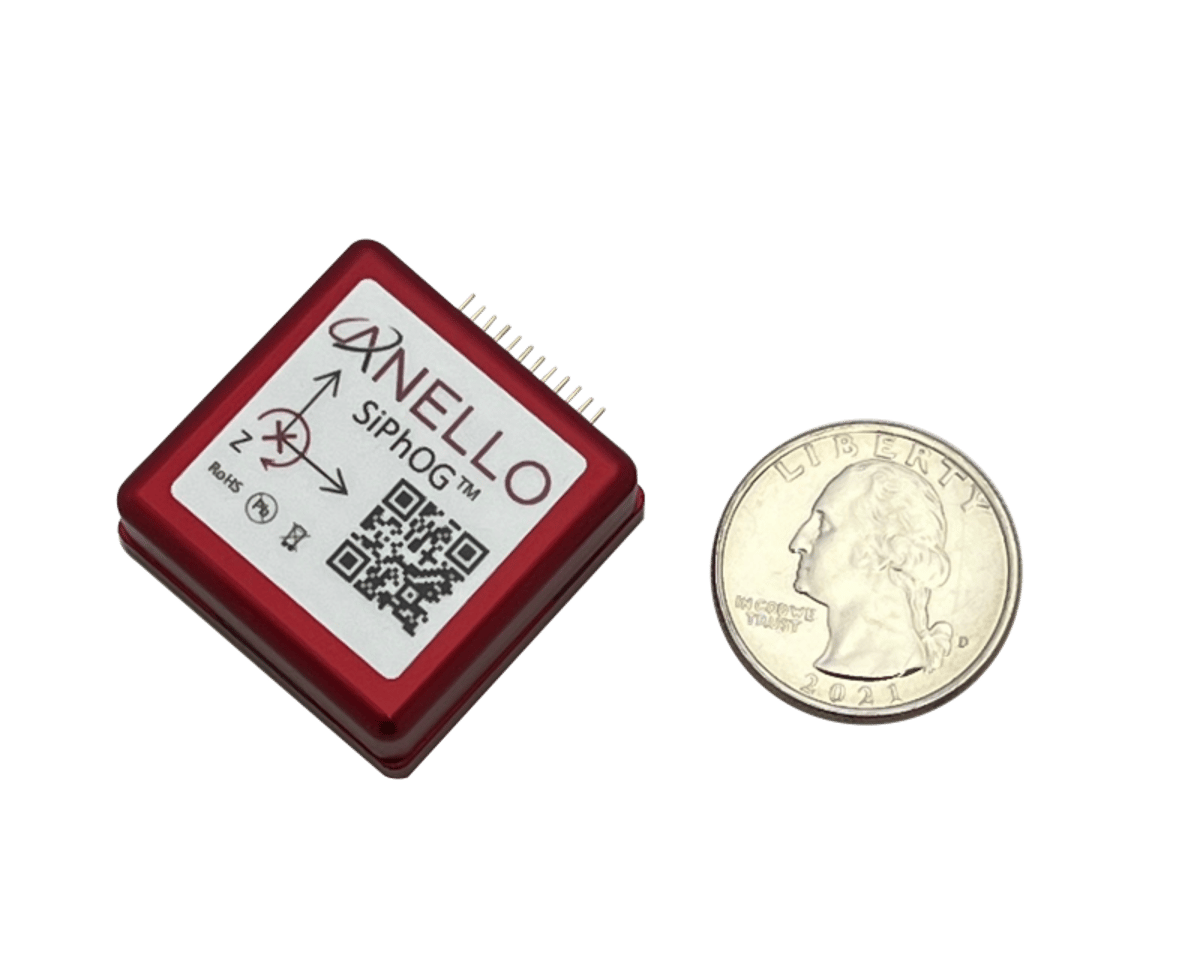
Enter ANELLO Photonics’ SiPhOG, a silicon‑photonic optical gyroscope that replaces vibration‑sensitive MEMS sensors with fiber‑optic‑grade inertial measurement. By leveraging the Sagnac effect on a single chip, the SiPhOG delivers high‑precision rotation data while consuming less power and occupying a fraction of the space of legacy fiber‑optic gyros. The integration eliminates hand‑assembled components, driving down cost and improving ruggedness—key factors for commercial integrators seeking reliable navigation hardware for larger UAVs and precision‑payload platforms.
Regulatory momentum reinforces the technology’s relevance. The forthcoming U.S. Part 108 rule anticipates heavier, BVLOS‑capable drones and mandates redundant, resilient navigation systems. ANELLO’s optical inertial layer positions manufacturers to meet these requirements without prohibitive expense, while also enhancing data‑quality applications such as precision agriculture and infrastructure inspection. As the industry shifts toward fully autonomous fleets, the SiPhOG offers a practical bridge between GPS reliance and true navigation resilience, promising broader operational envelopes and compliance readiness.
Beyond GPS: How ANELLO Photonics Is Building Navigation Resilience for Commercial Drones
Comments
Want to join the conversation?
Loading comments...