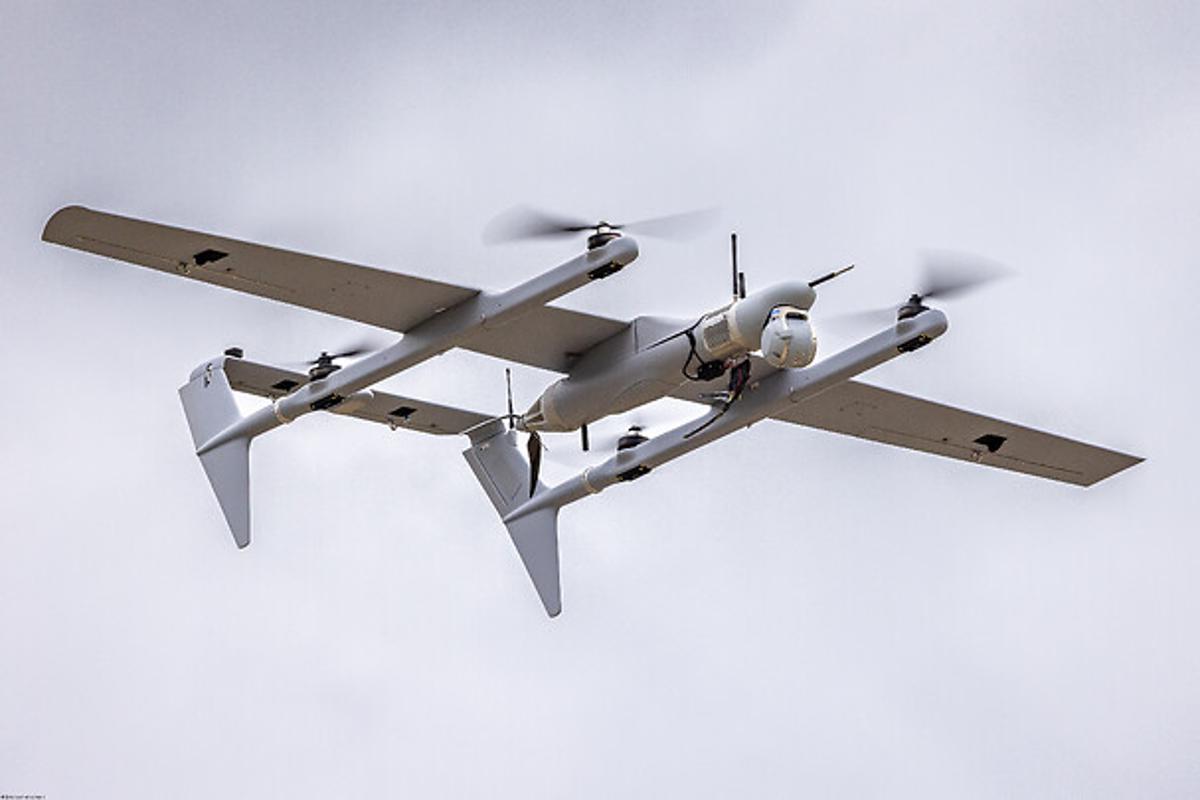
Beyond the Lone Aircraft: The Power of Teaming for Life-Saving Operations
Companies Mentioned
Why It Matters
Crew‑uncrewed teaming cuts response times and reduces pilot cognitive load, delivering more effective life‑saving missions and expanding market demand for integrated aerial solutions.
Key Takeaways
- •Airbus' HTeaming links drones and helicopters via secure low‑latency data.
- •Drones provide thermal imaging scouts, reducing pilot workload in rescues.
- •Fleet‑wide drone monitoring enables early wildfire detection across entire forests.
- •Field trials with Singapore, Spanish Navy, French forces validate operational safety.
- •Integrated crewed‑uncrewed teams cut response time and improve mission efficiency.
Pulse Analysis
The aviation industry has long framed drones as a replacement for helicopters, but Airbus is flipping the script. By treating unmanned aircraft as complementary assets rather than competitors, the company taps into a growing demand for hybrid solutions that blend human judgment with machine endurance. This approach aligns with broader trends in autonomous systems, where the value lies in collaborative intelligence rather than isolated autonomy, positioning Airbus at the forefront of a new market segment that promises higher mission success rates and new revenue streams.
In practical terms, the HTeaming platform addresses the most pressing operational challenge: pilot cognitive overload. Drones equipped with thermal cameras and AI‑driven object detection fan out to scan large areas, feeding precise coordinates to the helicopter in real time. The result is a streamlined workflow where pilots issue high‑level tasks—such as "Scout Area A"—and the drones handle navigation and obstacle avoidance. Encrypted, low‑latency links keep the data stream secure, while a plug‑and‑play tablet integrates the system within hours, making it viable for both military and civilian operators.
The implications extend beyond rescue missions. Early wildfire detection, border surveillance, and disaster assessment all benefit from a coordinated fleet that can cover terrain faster than a single aircraft. Successful trials with Singapore’s civil authorities, the Spanish Navy, and French armed forces demonstrate the technology’s versatility and reliability. As climate‑related emergencies rise, governments and private responders are likely to invest heavily in crewed‑uncrewed teams, driving a wave of procurement and spurring further innovation in autonomous aerial platforms.
Beyond the lone aircraft: The power of teaming for life-saving operations
Comments
Want to join the conversation?
Loading comments...