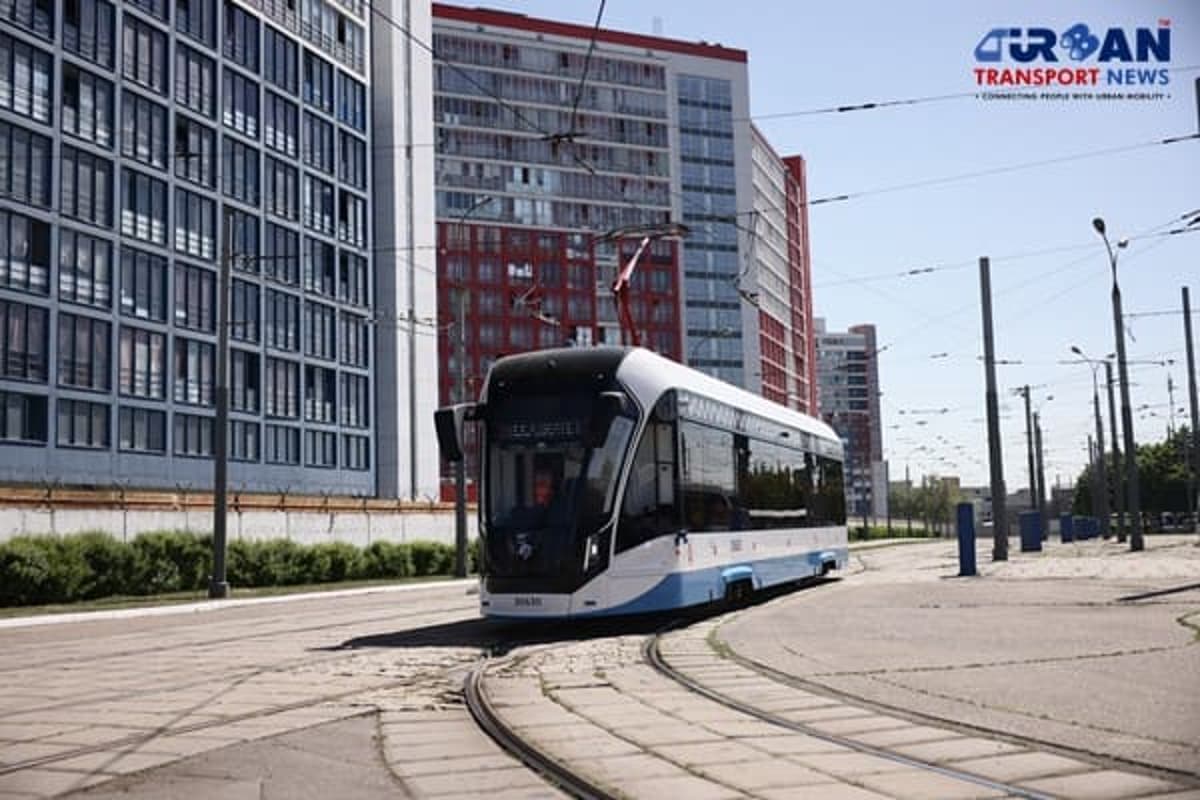
Beyond the Tailpipe: The Case for African Electric Mass Transit
Why It Matters
High‑capacity electric transit delivers a dual dividend—dramatic public‑health gains and productivity boosts—while unlocking private capital through robust ESG structures, making it a strategic priority for African governments seeking sustainable growth.
Key Takeaways
- •Electric mass transit cuts emissions and urban congestion simultaneously.
- •Dakar’s 100% electric BRT serves 300k riders, halves commute times.
- •ESG‑driven private partners can de‑risk large‑scale African projects.
- •Abidjan Metro aims to move 500k daily passengers by 2029.
- •Scaling e‑BRT aligns with Africa’s Agenda 2063 urban targets.
Pulse Analysis
Africa’s cities are expanding faster than any other continent, with dozens projected to exceed ten million residents by 2035. This surge strains road networks, inflates congestion taxes, and deepens air‑quality crises. While falling battery prices make private electric cars cheaper, they do little to unclog streets or reduce per‑capita emissions. High‑capacity electric mass transit—buses, BRT corridors, and metros—offers a multiplier effect: moving far more people with a fraction of the energy and land footprint, directly supporting Agenda 2063’s 2030 goal for safe, affordable, sustainable mobility.
The Dakar electric BRT illustrates how ESG‑focused private partners can turn a skeletal plan into a transformative public utility. Meridiam’s benefit‑corporation model split responsibilities—state‑funded civil works paired with tendered electric rolling stock—enabling a rapid shift from diesel to a fully electric fleet. The 18‑kilometre corridor now carries 300,000 daily riders, cuts commute times by 50 %, and eliminates pollution that previously caused $687 million in annual health costs. Moreover, the project created 1,000 local jobs with gender‑inclusive hiring mandates, proving that climate‑friendly infrastructure can also be a catalyst for inclusive economic development.
The next litmus test is the Abidjan Metro, 45 % complete and slated for a 2029 launch. Expected to transport over half a million passengers daily, the line will integrate with existing BRT networks, targeting a million‑person daily throughput. Success hinges on the same ESG rigor demonstrated in Dakar; consortium members Alstom, Bouygues Travaux Publics, and Colas Rail must deliver on skill‑transfer, gender equity, and grid resilience promises. If they do, the project will showcase how de‑risked, privately‑financed electric transit can attract international capital, accelerate urban decarbonization, and generate measurable health and productivity dividends for the continent.
Beyond the Tailpipe: The Case for African Electric Mass Transit
Comments
Want to join the conversation?
Loading comments...