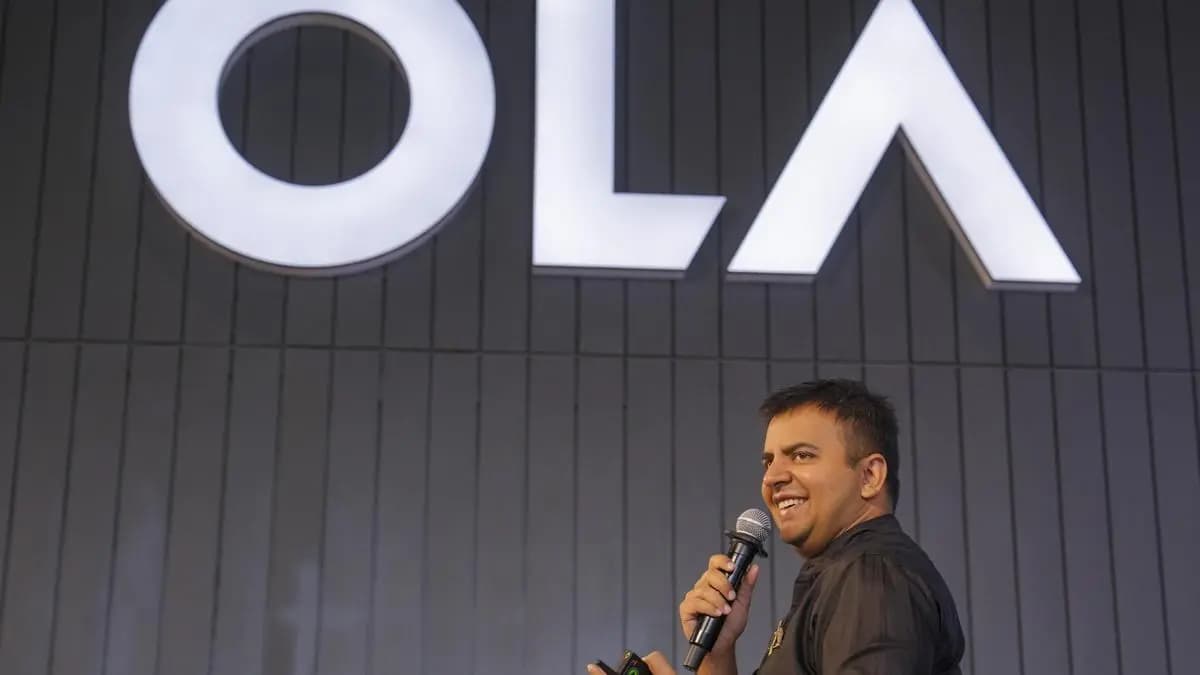
Bhavish Aggarwal to Ola Electric Shareholders: Forgive the Burn, Focus on the Gigafactory
Companies Mentioned
Why It Matters
If the battery ecosystem scales as promised, Ola could become a pivotal supplier in India’s EV supply chain, offsetting short‑term scooter losses and safeguarding shareholder value.
Key Takeaways
- •FY26 deliveries fell 43.5% to 173,794 units.
- •Q4 FY26 achieved first operating cash‑flow‑positive quarter.
- •Gigafactory reaches 2.5 GWh capacity; 6 GWh ramp near completion.
- •Dry‑electrode tech cuts capex 33% and energy use up to 60%.
- •Ola targets 20 % market share and full‑in‑house batteries by Sep 2026.
Pulse Analysis
India’s electric‑vehicle market has surged, but execution gaps have punished high‑profile players. Ola Electric’s FY26 results illustrate that risk: deliveries slumped 43.5% and revenue fell to about $271 million, while warranty costs dropped sharply, hinting at improved product quality. The company’s cash‑flow‑positive quarter and a gross‑margin jump to 38.5% signal a disciplined reset, yet the scooter business still lags behind rivals such as TVS Motor and Bajaj Auto. Investors are therefore watching whether the firm can translate its operational overhaul into sustainable growth.
The centerpiece of Ola’s turnaround is its vertically integrated battery platform. The gigafactory, already producing 2.5 GWh and on track to commercialise a 6 GWh line, leverages dry‑electrode technology that can slash capital expenditure by a third and cut energy consumption by up to 60%. With roughly 15% of current vehicle orders using in‑house cells and a plan to transition the entire portfolio by September 2026, Ola is positioning itself as a domestic battery supplier for both two‑wheelers and utility‑scale storage. Analysts estimate India’s battery demand could reach 420 GWh annually by 2035, representing a $30 billion market opportunity that Ola hopes to capture.
For shareholders, the bet hinges on whether the battery business can outgrow the struggling scooter segment. A proposed capital raise to expand capacity from 6 GWh to 20 GWh could unlock separate financing and a distinct valuation for the cell subsidiary. If successful, Ola could emerge as a critical link in India’s energy transition, delivering stable cash flows and higher margins than its vehicle arm. Until the gigafactory scales and secures commercial contracts, however, the company’s near‑term outlook remains tied to the execution of its ambitious battery roadmap.
Bhavish Aggarwal to Ola Electric shareholders: Forgive the burn, focus on the gigafactory
Comments
Want to join the conversation?
Loading comments...