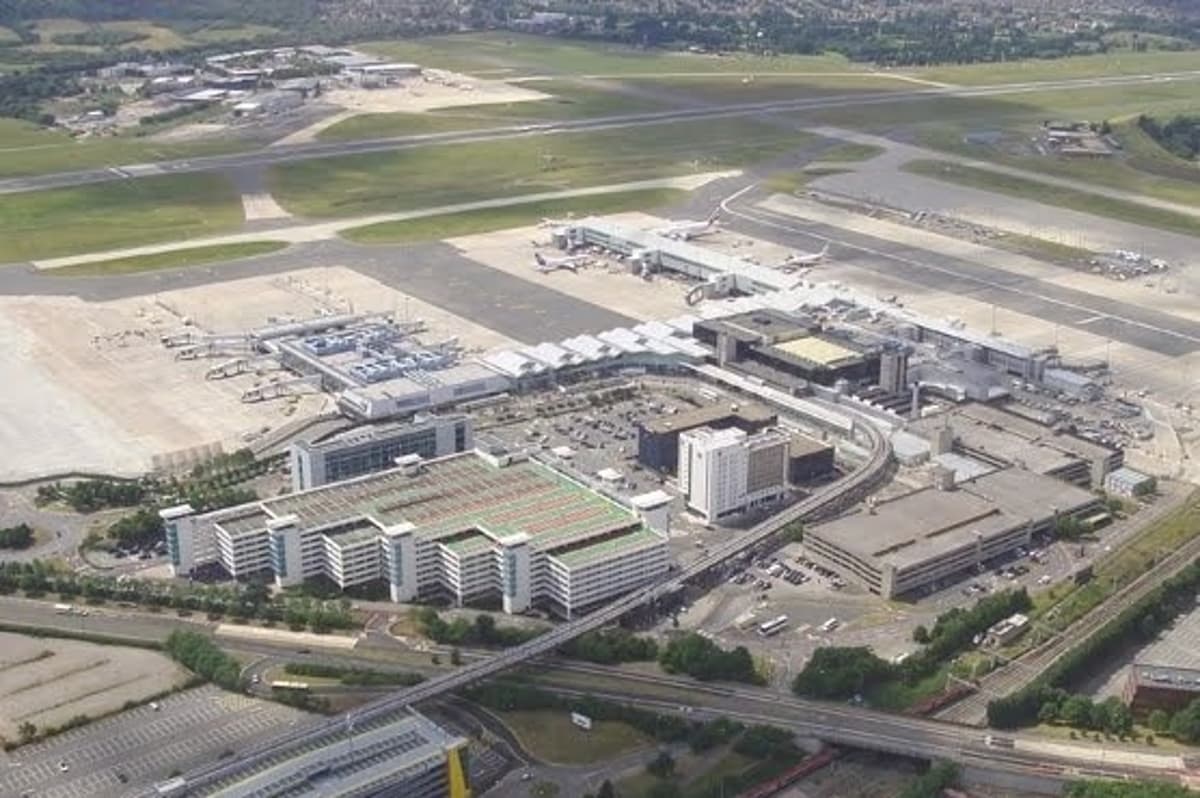
BHX: How Surface Access Strategy Underpins Capital Investment and Long-Term Airport Resilience
Why It Matters
The plan safeguards Birmingham Airport’s capacity to handle record passenger growth while mitigating operational risks from cyber threats, climate change and infrastructure constraints. Its integrated approach sets a benchmark for UK airports facing similar expansion pressures.
Key Takeaways
- •£76.5M (£≈$98M) capital plan targets cyber, fire, climate resilience.
- •Weekly upgrade spend ~£1.5M ($1.9M) through 2029, totalling $384M.
- •Surface access planning aligns projects with policy, modal shift goals.
- •HS2 integration forces sequencing of terminal, taxiway, apron upgrades.
- •Digital wayfinding and solar farm supply 20% of airport power.
Pulse Analysis
The United Kingdom’s aviation sector is on an upward trajectory, with passenger numbers hitting historic highs in 2024. Birmingham Airport, the seventh‑largest hub serving the country’s second‑largest city, is confronting the classic paradox of growth: expanding demand outpaces the supporting infrastructure. To stay competitive and protect revenue streams, BHX has adopted a resilience‑first mindset, embedding cyber‑security, fire safety and climate adaptation into its core capital agenda. This reflects a broader industry shift where airports are no longer merely transport nodes but critical, interconnected ecosystems that must anticipate systemic shocks.
BHX’s £300 million (≈$384 million) investment roadmap, rolled out as a £76.5 million (≈$98 million) twelve‑month sprint, is anchored by a surface‑access strategy that synchronises physical upgrades with policy constraints and the forthcoming HS2 rail hub. By sequencing taxiway enhancements, apron expansions, terminal reconfigurations and baggage system upgrades, the airport ensures that each new capacity gain is matched by sustainable modal‑shift pathways. The weekly spend of roughly £1.5 million ($1.9 million) underscores a disciplined, incremental approach that mitigates the risk of over‑building and aligns with government‑backed aviation expansion goals highlighted in the recent King’s Speech.
Beyond bricks and mortar, BHX is investing in digital resilience, deploying AI‑powered wayfinding and securing dedicated data‑room space, while a solar farm now supplies about 20 % of on‑site electricity. These moves illustrate how modern airports are integrating green energy and cyber‑ready infrastructure to future‑proof operations. For peers across Europe and North America, BHX’s model offers a template: prioritize system‑wide resilience, embed surface‑access considerations early, and align capital outlays with both regulatory frameworks and emerging passenger‑experience technologies. The result is a more robust, adaptable airport capable of weathering the next decade’s operational and environmental challenges.
BHX: How surface access strategy underpins capital investment and long-term airport resilience
Comments
Want to join the conversation?
Loading comments...