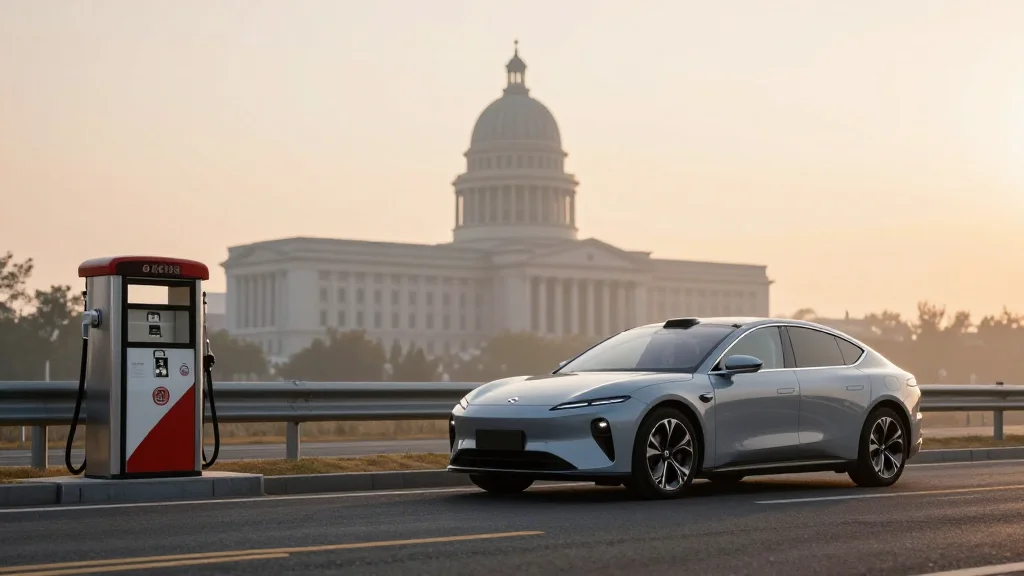
Bihar Govt to Roll Out EV Charging Network Across Highways
Companies Mentioned
Why It Matters
The infrastructure jump‑starts EV adoption in Bihar, supporting India’s climate targets and creating new revenue streams for local businesses. It also showcases a replicable public‑private model for coordinated EV rollout across Indian states.
Key Takeaways
- •Bihar to install highway EV chargers at dhabas, hotels, petrol pumps.
- •400 electric buses arriving; charging network to be ready beforehand.
- •Digital platform will map stations via Google Maps for driver convenience.
- •Public‑private coordination includes automobile, oil, and OEM partners.
- •Project aims to boost EV adoption and local economic activity.
Pulse Analysis
The Indian government’s aggressive electrification agenda has filtered down to the states, and Bihar is now translating policy into on‑ground infrastructure. By earmarking charging points at dhabas, hotels, motels and existing fuel stations along national and state highways, the transport department is creating a ubiquitous network that mirrors the country’s expanding road mileage. This approach leverages existing real‑estate, reduces capital outlay, and ensures that long‑distance travelers can refuel electric vehicles without detours. The initiative also aligns with the central push to deploy electric buses across the nation.
The rollout is timed to coincide with the arrival of roughly 400 electric buses that the centre will allocate to Bihar later this year. Officials have mandated that the charging ecosystem be fully operational before the buses enter service, eliminating a common bottleneck in fleet electrification. A dedicated digital platform, integrated with Google Maps, will publish real‑time station locations, pricing and availability, simplifying route planning for operators and private drivers alike. By involving automobile manufacturers, oil majors and original equipment manufacturers, the state is fostering a public‑private partnership that spreads risk and accelerates deployment.
Beyond immediate convenience, the highway charging grid is poised to stimulate ancillary economic activity. Small businesses at dhabas and motels can earn revenue from electricity sales, while oil firms repurpose underutilized pumps for a new energy service. Environmentally, the network supports India’s target of 30 percent electric vehicle sales by 2030, reducing tailpipe emissions on some of the country’s busiest corridors. If successful, Bihar’s model could be replicated in other states, setting a benchmark for coordinated EV infrastructure that blends technology, logistics and local commerce.
Bihar govt to roll out EV charging network across highways
Comments
Want to join the conversation?
Loading comments...