Bihar to Roll Out 200 Electric Buses in June Under Clean Mobility Push
Why It Matters
The initiative accelerates clean mobility in one of India’s most populous states, reducing emissions while creating inclusive employment opportunities for women. It also signals strong state‑level alignment with national EV targets, attracting private investment in infrastructure.
Key Takeaways
- •200 electric buses start service in six Bihar cities June
- •₹517.16 crore (~$62 million) funds 400 air‑conditioned e‑buses
- •Women drivers program targets 100 trainees; 22 already trained
- •31 bus terminals and ITMS to be built via PPP model
- •EV policy aims 30% new registrations electric by 2030
Pulse Analysis
Bihar’s June launch of 200 electric buses marks a decisive step in India’s broader push toward electrified public transport. Backed by a ₹517.16 crore (approximately $62 million) allocation, the rollout dovetails with the central government’s PM e‑Bus Sewa Phase‑II program, which aims to replace diesel fleets with zero‑emission alternatives in high‑density corridors. By targeting six major cities, the state not only improves air quality but also creates a scalable model for other regions seeking to meet the nation’s ambitious climate commitments.
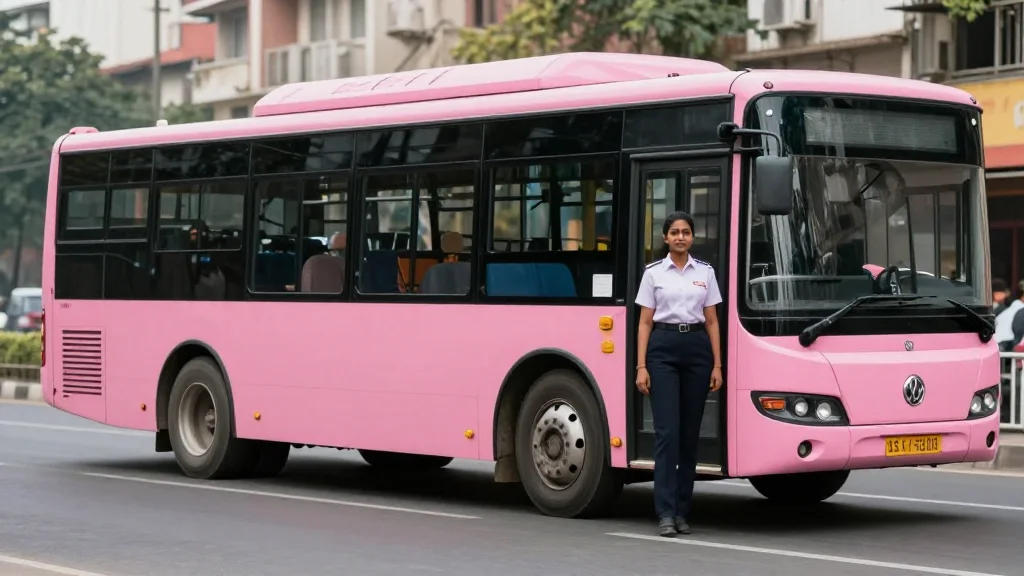
A distinctive feature of the Bihar plan is its focus on gender inclusion. The introduction of 100 women‑only "Pink Buses" equipped with safety technologies—CCTV, GPS tracking, and panic buttons—addresses both passenger security and driver representation. Training initiatives have already produced 22 women drivers, with a goal of 100, underscoring a broader effort to diversify the transport workforce. This approach aligns with the newly revised Bihar EV Policy, which offers up to ₹1 lakh ($1,200) incentives for women purchasing electric cars, reinforcing the state’s commitment to inclusive mobility.
Infrastructure development underpins the bus rollout, with 31 modern terminals and an intelligent traffic management system slated for construction through public‑private partnerships. Simultaneously, the state is expanding charging stations across highways, hotels, and petrol pumps, supported by subsidies for private operators. These measures aim to achieve the policy’s target of 30% electric new‑vehicle registrations by 2030, a benchmark that could dramatically cut regional carbon emissions and stimulate local EV supply chains. As Bihar accelerates its clean‑mobility agenda, the initiative offers a template for integrating technology, gender equity, and private investment into sustainable urban transport.
Bihar to roll out 200 electric buses in June under clean mobility push
Comments
Want to join the conversation?
Loading comments...