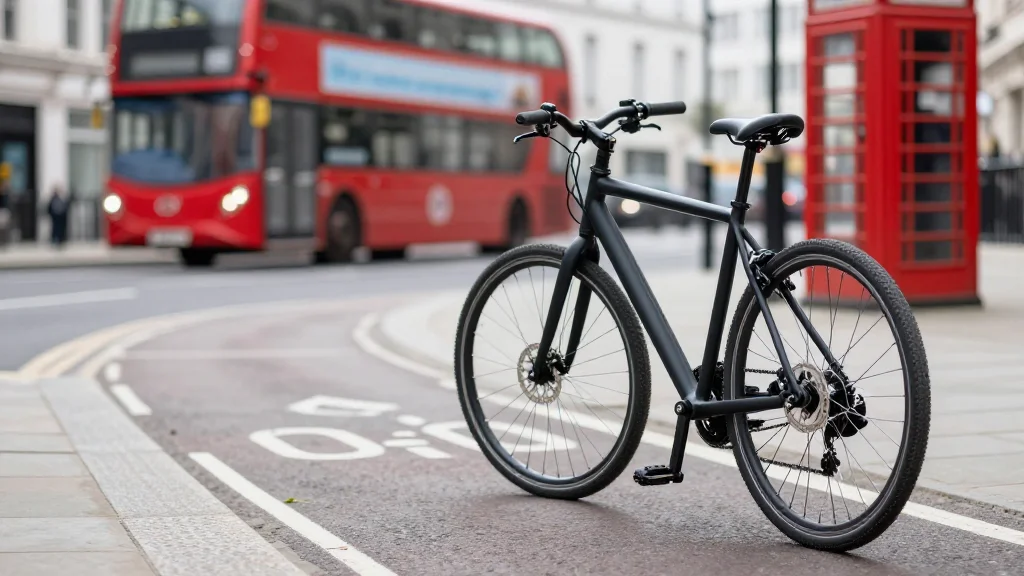
Bike Use in London Grew by 43% Since 2019, but Car Use Remains Roughly the Same
Why It Matters
The stagnant car share shows that isolated infrastructure upgrades are insufficient to shift entrenched travel habits, signaling a need for broader, integrated mobility strategies. This insight is critical for cities worldwide seeking to reduce emissions and congestion.
Key Takeaways
- •Bike trips rose 43% since 2019, now 5% of journeys.
- •Car trip share unchanged since 2018 despite congestion pricing.
- •Low‑traffic neighborhoods cover limited streets, curbing impact.
- •London’s bike share still far behind Netherlands’ 27% modal share.
- •Active‑transport growth highlights need for broader systemic changes.
Pulse Analysis
London’s transport agenda has leaned heavily on active‑mode incentives over the past few years. Since 2019, cycling trips have surged 43%, lifting the modal share to roughly five percent of all journeys—a notable climb from pre‑pandemic levels. The city’s investment in protected lanes, bike‑share stations, and electric bus fleets has reshaped many corridors, making bicycles a familiar sight alongside pedestrians and double‑decker buses. Yet, even with these improvements, cycling still lags far behind the 27 % share enjoyed by the Netherlands, underscoring the scale of the challenge.
Despite the upward trend in bike use, car trips have remained static, mirroring the 2018 baseline. Congestion pricing, introduced in central zones, and the rollout of low‑traffic neighborhoods were intended to shift driver behavior, but their geographic reach covers only a fraction of the city’s extensive road network. Persistent parking availability, limited alternatives for longer commutes, and entrenched car‑dependent cultures dilute the effectiveness of these measures. Moreover, the modest increase in cycling infrastructure has not yet addressed safety concerns that deter many potential riders.
The London experience offers a cautionary tale for municipalities aiming to curb car dependence. Incremental bike‑share growth alone cannot offset entrenched automobile use; a holistic strategy that couples expansive protected‑lane networks, stringent parking reforms, and robust public‑transit integration is essential. Cities such as Copenhagen demonstrate that coordinated policy, substantial funding, and cultural shifts can propel cycling to a primary mode of travel. For U.S. urban planners, the lesson is clear: isolated interventions yield modest gains, while comprehensive, city‑wide plans are required to achieve lasting modal change.
Bike use in London grew by 43% since 2019, but car use remains roughly the same
Comments
Want to join the conversation?
Loading comments...