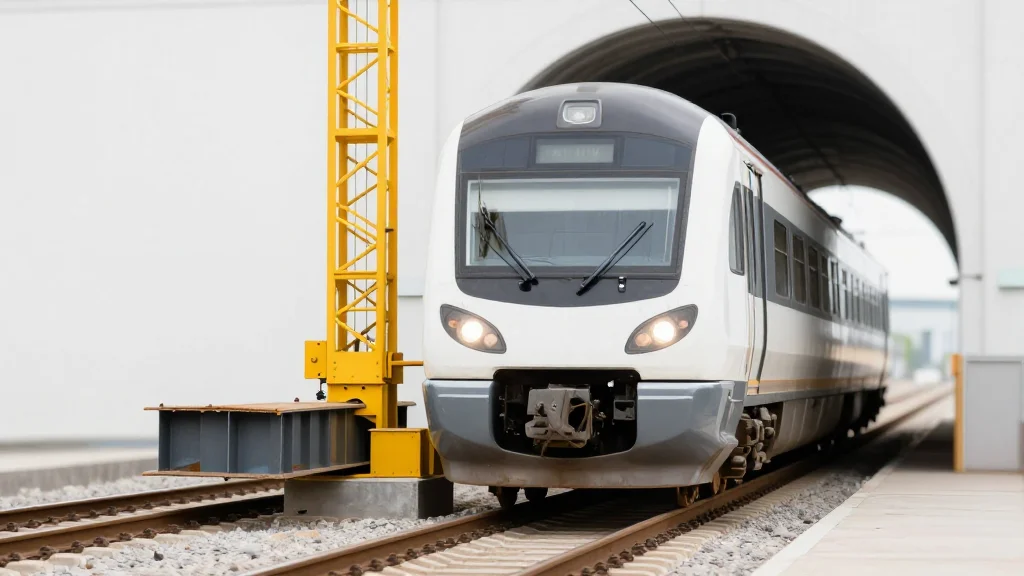
Bill to Streamline Transit Project Permitting Introduced in House
Companies Mentioned
Why It Matters
Aligning transit permitting with highway processes could cut costly delays, unlocking faster delivery of critical rail infrastructure and supporting economic growth in transit‑dependent regions.
Key Takeaways
- •H.R. 8315 would let transit projects acquire land before NEPA approval
- •Bill aims to align transit permitting with highway processes, reducing delays
- •Co‑sponsors include Rep. Robert Bresnahan Jr. (R‑PA) and Rep. Laura Friedman (D‑CA)
- •APTA, Regional Transportation Commission of Southern Nevada, and Bus Coalition support bill
- •Would speed up projects like Brightline West, boosting tourism and air quality
Pulse Analysis
The Modal Parity in Permitting Act, H.R. 8315, addresses a long‑standing regulatory gap between highway and transit project approvals. By allowing rail and bus initiatives to secure right‑of‑way before the National Environmental Policy Act (NEPA) process concludes, the bill promises to streamline land acquisition, a phase that often stalls multi‑modal projects. This alignment mirrors the more flexible highway framework, reducing bureaucratic friction and potentially saving billions in delayed construction costs.
Industry stakeholders see the legislation as a catalyst for accelerating high‑speed rail ventures, notably Brightline West, which aims to connect Las Vegas with Southern California. Faster permitting could translate into earlier service launches, driving tourism, improving air quality, and easing roadway congestion. The bipartisan sponsorship—featuring both a Pennsylvania Republican and a California Democrat—signals broad legislative appetite for modernizing transportation infrastructure.
Support from the American Public Transportation Association and regional bodies underscores the bill’s relevance to both national policy and local economic development. If incorporated into the forthcoming surface‑transportation reauthorization, H.R. 8315 could set a new standard for project delivery, encouraging private investment and fostering smarter growth patterns across the United States. The potential ripple effects include heightened job creation, reduced greenhouse‑gas emissions, and a more resilient, interconnected transit network.
Bill to streamline transit project permitting introduced in House
Comments
Want to join the conversation?
Loading comments...