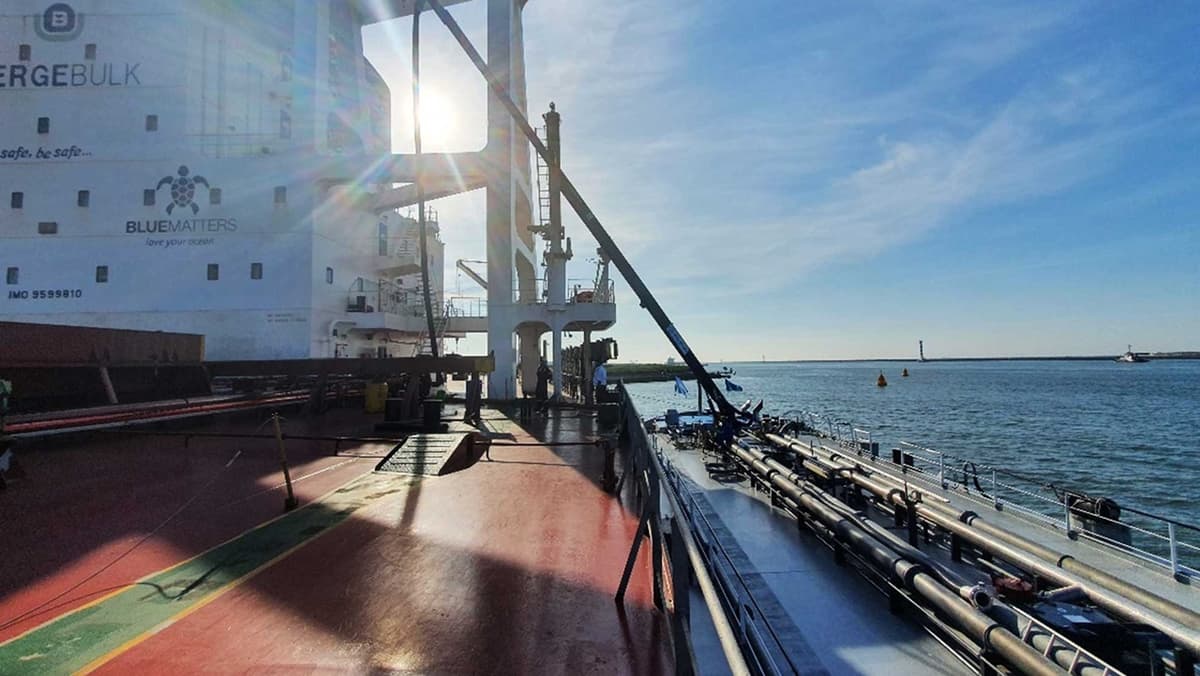
Bimco Introduces Biofuel Clause for Timecharters
Why It Matters
Standardising biofuel terms reduces contractual uncertainty, accelerating the shipping sector’s shift toward decarbonisation and protecting owners from emerging regulatory and operational risks.
Key Takeaways
- •Bimco releases standardized biofuel clause for time charter agreements.
- •Clause defines quality specs, engine compatibility, and liability responsibilities.
- •Aims to reduce owners’ exposure to fuel‑related penalties.
- •Supports broader adoption of FAME and HVO as drop‑in fuels.
- •Targets major bunkering hubs like Singapore and Rotterdam.
Pulse Analysis
The International Association of Dry Cargo Shipowners (Bimco) has taken a proactive step to address the growing demand for greener fuels by publishing a dedicated biofuel clause for time‑charter parties. As the International Maritime Organization tightens emissions targets and regional carbon taxes rise, shipowners and charterers need a contractual framework that clarifies fuel quality expectations, engine compatibility checks, and liability allocation. By codifying these elements, Bimco reduces the legal friction that has historically slowed biofuel uptake, offering a template that can be quickly adapted across diverse jurisdictions.
The clause’s core provisions outline precise specifications for biofuels such as fatty acid methyl ester (FAME) and hydrotreated vegetable oil (HVO), mandating that suppliers meet agreed‑upon standards before bunkering. It also assigns responsibility for any performance or warranty issues, shielding owners from costly engine damage claims. Collaboration with P&I clubs ensures that the language aligns with existing insurance policies, further lowering risk premiums for charterers. This level of detail gives both parties confidence to negotiate longer‑term contracts that incorporate biofuel pricing mechanisms, potentially unlocking volume discounts and stabilising operating costs.
From a market perspective, the new clause could catalyse a shift in bunkering patterns, encouraging ports beyond Singapore and Rotterdam to develop biofuel supply chains. As availability improves, shipowners can diversify away from traditional heavy fuel oil, reducing exposure to carbon‑related penalties in regions like the European Union’s Emissions Trading System. Ultimately, the standardized approach not only supports regulatory compliance but also positions the maritime industry to meet investor expectations for sustainable operations, paving the way for broader decarbonisation milestones.
Bimco introduces biofuel clause for timecharters
Comments
Want to join the conversation?
Loading comments...