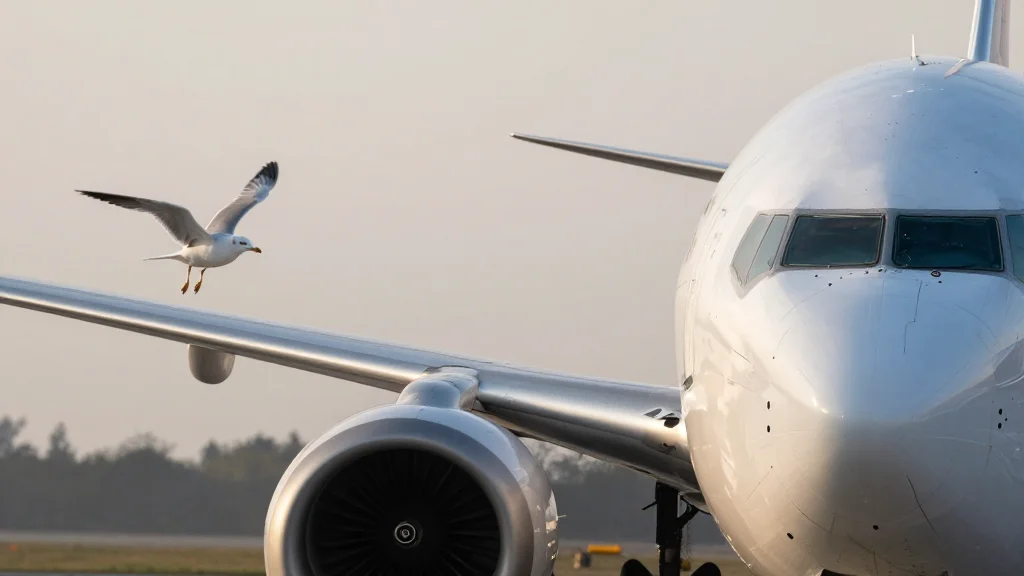
Bird Strikes and Fume Incidents Ruffle Feathers for Boeing and Aviation Regulators
Companies Mentioned
Why It Matters
The dispute determines whether passengers and crews will face toxic fume exposure for years, influencing regulatory standards and airline liability worldwide.
Key Takeaways
- •FAA split on software fix vs procedural changes for 737 MAX
- •Boeing, CFM to disable bleed air when LRD triggers
- •Software rollout not expected until mid‑2028, delaying global safety fix
- •Australian pilots warn LRD creates secondary fail‑to‑danger hazard
- •Bird strikes highlight vulnerability of bleed‑air dependent cabins
Pulse Analysis
The 737 MAX’s reliance on engine‑derived bleed air makes its cabin air quality vulnerable to oil‑fume events when the Leak‑Rate Detection (LRD) system activates. When an LRD detects a potential engine failure, it can inadvertently open a pathway for contaminated air to flow into the passenger compartment, a scenario regulators label a "fume event." The FAA’s internal debate—between recommending new take‑off procedures, faster‑deploying oxygen masks, and accepting a software patch—underscores the complexity of balancing immediate crew safety with long‑term engineering solutions. This split reflects broader industry tensions over how quickly legacy aircraft can be retrofitted without compromising operational schedules.
Airlines across the Pacific, from Virgin Australia’s 19‑plane MAX fleet to Fiji Airways’ five jets, have been briefed on the forthcoming software update that will automatically shut off bleed air when the LRD trips. Yet the fix’s projected mid‑2028 completion means pilots will continue to manage a hazard that current simulators cannot replicate, raising concerns among unions such as the Australian Federation of Air Pilots. The unions argue the LRD, originally designed to prevent catastrophic engine failure, now poses a secondary "fail‑to‑danger" risk, potentially contributing to the contested "aerotoxic syndrome" among crew members. This regulatory friction could pressure airlines to adopt interim measures, like enhanced mask protocols or supplemental cabin filtration, to mitigate exposure.
Beyond the immediate safety question, the episode may accelerate a shift toward bleed‑air‑free aircraft architectures. Newer models from Airbus and emerging manufacturers are exploring electric‑powered environmental control systems that eliminate the need for engine‑derived air, thereby removing the fume‑event pathway entirely. If the 737 MAX retrofit proves costly and protracted, airlines might reassess fleet composition, favoring aircraft with cleaner air‑supply designs. For manufacturers, the incident highlights the importance of integrating health‑impact assessments early in engine and air‑system development, a factor that could become a differentiator in a market increasingly attentive to passenger and crew well‑being.
Bird strikes and fume incidents ruffle feathers for Boeing and aviation regulators
Comments
Want to join the conversation?
Loading comments...