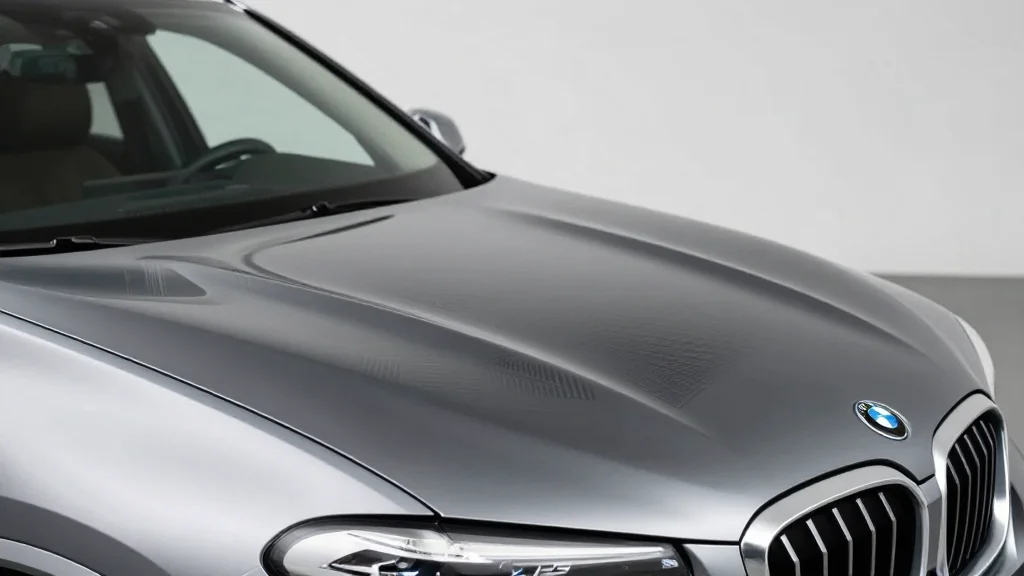
BMW Brings Color Changing Tech Closer to Production with the iX3 Flow Edition
Companies Mentioned
Why It Matters
Integrating programmable surfaces into a structural panel moves dynamic exteriors closer to mass‑market viability, potentially enhancing vehicle efficiency and brand differentiation. The technology signals a shift toward adaptable, energy‑saving automotive finishes across the industry.
Key Takeaways
- •BMW embeds E Ink directly into iX3 hood panel
- •Single‑panel design cuts manufacturing complexity versus full‑car wraps
- •Eight grayscale animations selectable, including Chinese landmark outlines
- •Technology uses power only during color changes, ideal for EVs
- •Dynamic surface could lower cabin cooling load, improving efficiency
Pulse Analysis
The concept of a color‑shifting vehicle has long been a futuristic showcase, but practical hurdles have kept it out of production lines. Early demonstrations, such as the iX Flow at CES 2022 and the i Vision Dee in 2023, relied on dozens or even hundreds of discrete E Ink modules stitched onto the body. While visually striking, those designs demanded intricate assembly, added weight, and raised durability concerns, limiting their appeal to mass‑market manufacturers. By consolidating the electrophoretic system into a single structural panel, BMW addresses the core engineering challenges that have stalled broader adoption.
BMW's iX3 Flow Edition leverages E Ink's Prism technology, an electrophoretic display that moves pigment‑laden microcapsules when an electric charge is applied. The integration into the hood means the surface is part of the vehicle’s body, not an aftermarket overlay, enhancing impact resistance and weather sealing. Power consumption is limited to the brief moments of state change, a crucial advantage for electric vehicles where every watt counts. Although the current palette is grayscale and limited to eight pre‑programmed animations, the platform demonstrates that dynamic exteriors can coexist with the efficiency demands of modern EVs.
The broader implication for the automotive sector is significant. A programmable surface that can reflect sunlight in hot climates or absorb heat when temperatures drop offers a passive climate‑control tool, potentially reducing HVAC load and extending driving range. Moreover, the technology opens new avenues for brand expression and localized customization, especially in markets like China where digital aesthetics resonate strongly. BMW's incremental rollout suggests other OEMs may follow, treating exterior finishes as software‑driven interfaces rather than static paint jobs, accelerating the convergence of automotive design and digital technology.
BMW brings color changing tech closer to production with the iX3 Flow Edition
Comments
Want to join the conversation?
Loading comments...