BMW Pioneered Range Extended EVs. Now It’s Not So Sure
Why It Matters
If BMW’s pure‑EV sales fall short, a range‑extender could protect market share and address lingering range‑anxiety, especially in markets with uneven charging infrastructure. The decision will signal how legacy premium brands balance rapid EV adoption against legacy technology fallback.
Key Takeaways
- •BMW may reintroduce range extenders if EV sales lag
- •Faster 400 kW charging reduces need for EREVs
- •Infrastructure improvements limit REx market in US and Europe
- •Scout, Ram, Hyundai launching new extended-range EVs
- •BMW assessing REx for X5, 7 Series in China
Pulse Analysis
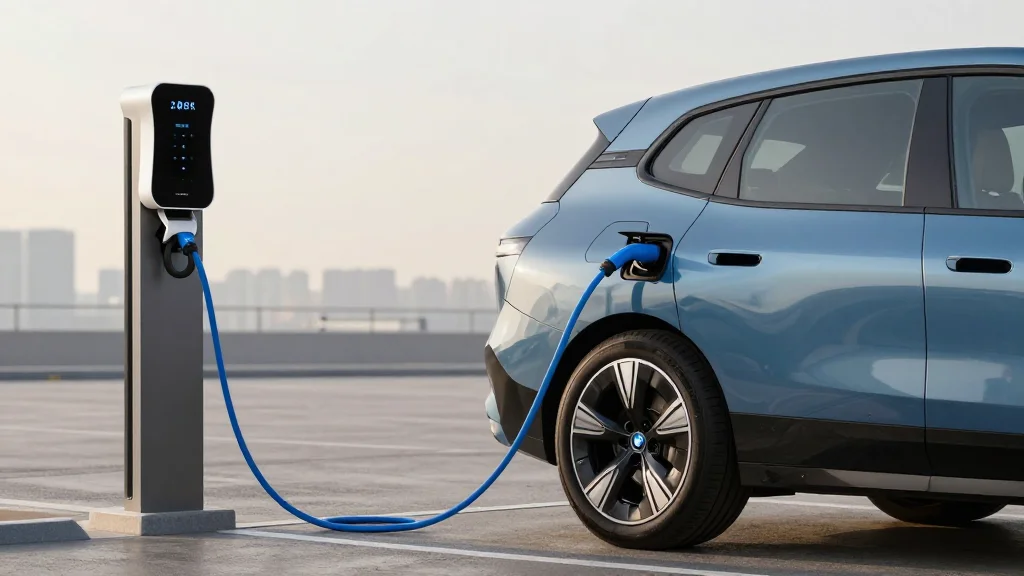
BMW pioneered the range‑extender concept with the i3 REx, a small‑battery hatchback that added a gasoline generator to boost its modest 80‑mile (130 km) range. Today, the brand’s flagship EVs—such as the iX and i7—offer more than 500 miles (805 km) on a single charge and can replenish that energy in under 30 minutes thanks to 400‑kilowatt fast‑charging stations. This technical leap has narrowed the practical gap that the i3’s REx once filled, prompting BMW to question whether re‑introducing a similar system adds genuine value for customers.
Meanwhile, competitors are quietly reviving extended‑range EVs. Scout, Ram, Hyundai, and even Jeep are planning or releasing models that pair a modest gasoline generator with a larger battery pack, betting on lingering range‑anxiety in regions where fast‑charger density remains low. China, with its massive EV subsidies that now also cover EREVs, presents a particularly attractive market for such hybrids. BMW’s product chief has hinted that a resurgence of REx could be considered for the X5 and 7 Series if market data shows a sizable demand, especially among premium buyers who prioritize long‑distance comfort without sacrificing brand identity.
Strategically, BMW faces a crossroads: double down on pure‑electric performance and infrastructure partnerships, or hedge its bets with a flexible REx offering that could capture hesitant buyers. A well‑executed extender could serve as a safety net in markets where charging networks lag, preserving sales momentum and brand loyalty. Conversely, investing in REx development may divert resources from next‑generation battery and software innovations. The coming months will reveal whether BMW opts for a pure‑EV trajectory or re‑embraces the hybrid‑like flexibility that once defined its early electric foray.
BMW Pioneered Range Extended EVs. Now It’s Not So Sure
Comments
Want to join the conversation?
Loading comments...