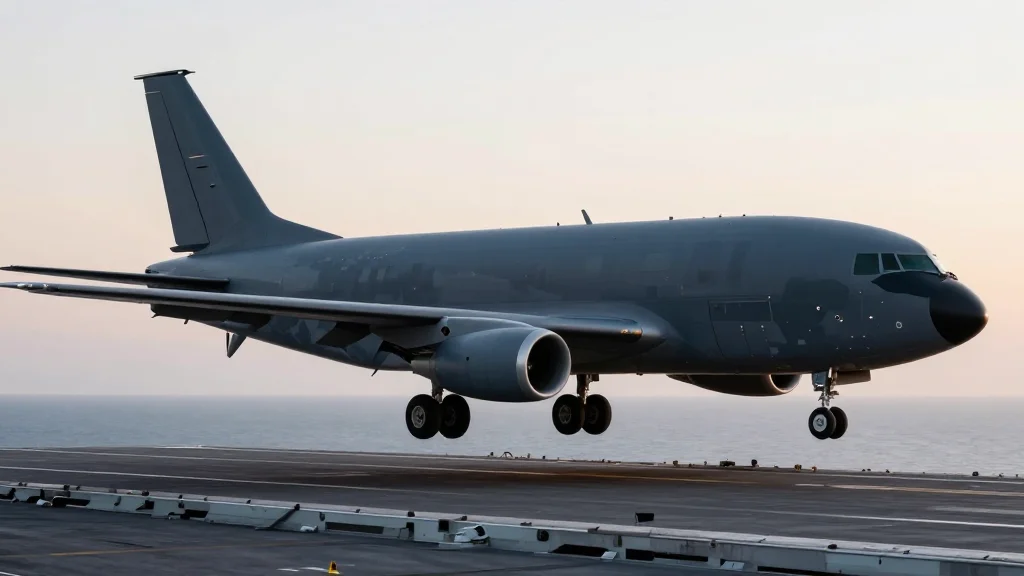
Boeing, U.S. Navy Complete First Flight Of MQ-25A Stingray
Why It Matters
The MQ‑25A promises to extend the strike range of carrier aircraft while freeing legacy fighters from tanker duties, a capability that could reshape U.S. naval power projection. Its successful flight marks a critical milestone toward fielding the Navy’s first carrier‑based autonomous refueler.
Key Takeaways
- •MQ-25A completed first autonomous flight, two‑hour mission from Illinois.
- •Demonstrated carrier‑compatible taxi, takeoff, landing, and refueling capabilities.
- •Program aims to free F/A‑18s from tanker role, extending fleet range.
- •Additional tests slated before moving to Patuxent River for carrier trials.
Pulse Analysis
The MQ‑25A Stingray addresses a long‑standing logistics gap in carrier aviation: the need for on‑board aerial refueling without sacrificing combat aircraft. Traditional carrier tankers, such as the legacy KA‑27, consume valuable deck space and limit sortie rates. By introducing an unmanned system, the Navy can maintain a leaner air wing while still delivering fuel to fighters, bombers and early‑warning platforms, effectively increasing the operational radius of the fleet. Boeing’s involvement leverages its experience with carrier‑qualified airframes, positioning the company to capture future contracts for unmanned carrier assets.
Technical validation during the inaugural flight focused on autonomous navigation, precision landing on a conventional runway, and seamless data exchange with a ground control station. These capabilities are essential for the high‑tempo, high‑risk environment of carrier decks where human pilots rely on tight tolerances. The flight also exercised the aircraft’s refueling boom and tested integration with the Navy’s mission control software, proving that the MQ‑25 can operate as a networked node within the carrier air wing. Successful demonstration of these systems reduces risk for the subsequent carrier‑landing phase and accelerates the program’s schedule.
Strategically, the MQ‑25A could transform how the U.S. Navy projects power across the Indo‑Pacific and other contested regions. By extending the range of F/A‑18 Super Hornets and future fifth‑generation fighters, the Navy gains greater flexibility to respond to emerging threats without relying on forward‑deployed tankers. The program also signals a broader shift toward unmanned logistics in maritime operations, prompting competitors to explore similar concepts. As testing progresses toward carrier qualification, the MQ‑25A is poised to become a cornerstone of the next generation of carrier air wings, influencing procurement decisions and doctrinal planning for years to come.
Boeing, U.S. Navy Complete First Flight Of MQ-25A Stingray
Comments
Want to join the conversation?
Loading comments...