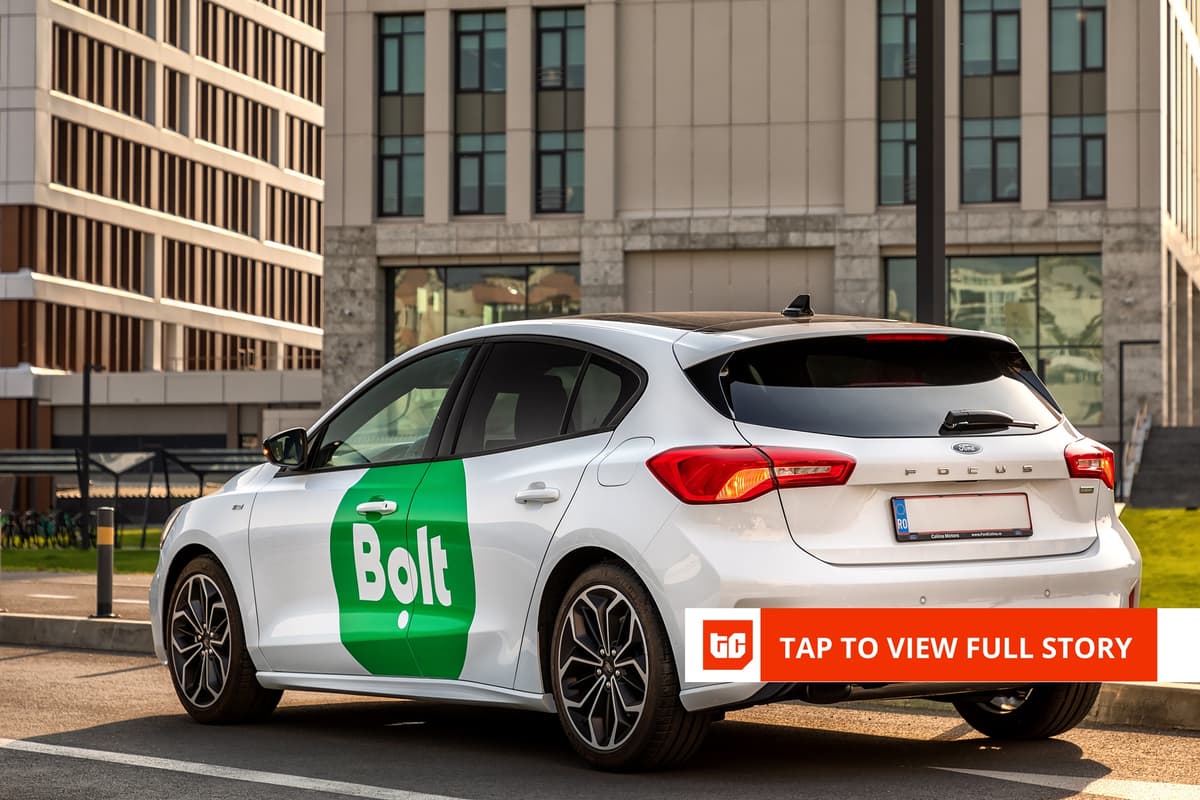
Bolt Hikes Fares by 6% in Kenya as Rising Fuel Costs Hit Drivers
Companies Mentioned

Why It Matters
The fare increase signals a shift in Kenya’s price‑sensitive ride‑hailing market, potentially reshaping driver‑platform economics and setting a precedent for competitors as fuel costs stay elevated.
Key Takeaways
- •Bolt raises Kenya fares 6% amid fuel price surge
- •Petrol now $1.53 per litre; diesel $1.52 after regulator hike
- •Drivers protest, fearing earnings squeeze from higher costs
- •Kenya's ride‑hailing market faces inflation pressure on riders
- •Competitors may follow suit as operating costs climb
Pulse Analysis
Kenya’s ride‑hailing sector, one of Africa’s largest, has long been defined by aggressive discounting to win market share. With thousands of drivers relying on platforms like Bolt, Uber and Little for full‑time income, the recent regulator‑driven fuel price jump—petrol to $1.53 per litre and diesel to $1.52—has sharply increased operating expenses. By raising fares 6%, Bolt is the first major player to formally transfer these costs to riders, a move that could recalibrate the pricing equilibrium that has kept rides cheap but driver margins thin.
The fare hike arrives amid mounting driver unrest. Protests and threatened strikes have highlighted the squeeze from higher fuel, vehicle financing, and platform commissions, eroding earnings despite multi‑app gig strategies. Bolt’s senior manager, Dimmy Kanyankole, framed the adjustment as a “thoughtful approach” to sustain platform viability while keeping fares competitive. Competitors now face a strategic dilemma: maintain low prices and risk driver attrition, or follow Bolt’s lead and risk alienating price‑sensitive consumers. The decision will likely influence driver retention, app loyalty, and the overall health of the gig‑economy labor pool.
For Kenyan consumers, already coping with rising food, electricity and transport costs, the 6% increase tests price elasticity. If riders accept higher fares, it could usher in a new era where ride‑hailing services are priced closer to true operating costs, potentially improving service reliability and driver satisfaction. Conversely, resistance could push users toward alternative transport modes or spur regulatory scrutiny. Across the region, Bolt’s move may act as a bellwether, prompting other ride‑hailing firms to reassess fare structures as fuel volatility persists, reshaping the economics of on‑demand mobility in emerging markets.
Bolt hikes fares by 6% in Kenya as rising fuel costs hit drivers
Comments
Want to join the conversation?
Loading comments...