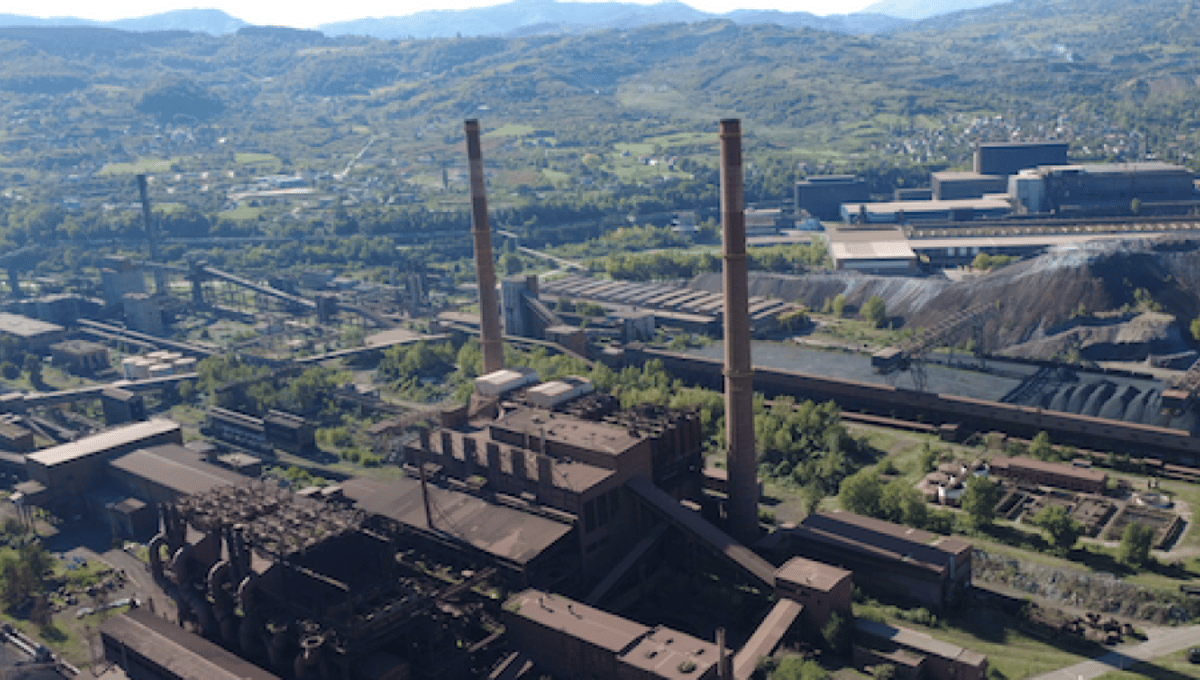
Bosnia Steel Shutdown Hits Railways, Port and Regional Supply Chains
Why It Matters
The closure jeopardizes a critical logistics hub, endangers tens of thousands of jobs, and exposes the fragility of Bosnia’s heavy‑industry sector amid inadequate policy support. Its ripple effects threaten regional supply chains and export competitiveness.
Key Takeaways
- •Zenica steelworks shutdown cuts 30% of Bosnia rail freight revenue.
- •Luka Ploče expects lower cargo volumes, revising revenue forecasts.
- •2,500 railway jobs and 11,000 steel‑related jobs at risk.
- •Imports undercut domestic steel, highlighting policy gaps in Bosnia.
- •Union protests signal broader deindustrialisation concerns in the Western Balkans.
Pulse Analysis
The suspension of integrated production at Zenica’s Nova Željezara marks a watershed for Bosnia’s industrial landscape. Rail operators in both entities immediately reported a 30% drop in freight revenue, underscoring how tightly the nation’s logistics network has been tethered to a single steel producer. Beyond the loss of cargo, the shutdown threatens 2,500 railway positions and up to 11,000 jobs linked to the broader steel value chain, creating a systemic shock that reverberates through transport, construction, and energy sectors across the Western Balkans.
At the heart of the crisis lies a policy vacuum. Domestic steel has been out‑competed by cheaper imports, yet successive attempts by the steelworks to secure protective tariffs or state ownership stakes were rebuffed by the Council of Ministers. This regulatory inertia, combined with high energy costs and stringent EU environmental standards, has eroded the competitiveness of Bosnia’s heavy industry. The ripple effect reaches Croatia’s Luka Ploče terminal, which now anticipates reduced bulk cargo volumes and is scrambling to diversify its customer base. Analysts argue that without a coordinated industrial strategy, the region risks a cascade of deindustrialisation, further weakening export potential and fiscal stability.
Looking forward, the plant’s management insists the shutdown is temporary, hinting at a restructuring that could involve new ownership models and job cuts. However, the path to revival hinges on decisive government action—whether through targeted subsidies, protective trade measures, or investment in modern, low‑carbon production technologies. For rail and port operators, the immediate priority is to secure alternative freight contracts to cushion revenue losses. For the broader economy, the Zenica episode serves as a cautionary tale of how policy gaps can amplify market pressures, threatening the very industrial backbone that underpins Bosnia’s economic future.
Bosnia steel shutdown hits railways, port and regional supply chains
Comments
Want to join the conversation?
Loading comments...