Why It Matters
If Boulder accepts new FAA grants, it could be locked into perpetual airport operation, limiting local control over future land use. Legal challenges may delay or reshape funding decisions, affecting regional transportation planning and community interests.
Key Takeaways
- •April 23 study session ended 5-4 favoring continued airport operations
- •Legal memo claims council violated Colorado Open Meetings Law during session
- •FAA grants impose perpetual operation assurances, limiting closure options after 2040
- •City attorney uncertain if grant conditions are policy or staff issue
- •State DOT confirms pavement grants have three‑year obligations, not indefinite
Pulse Analysis
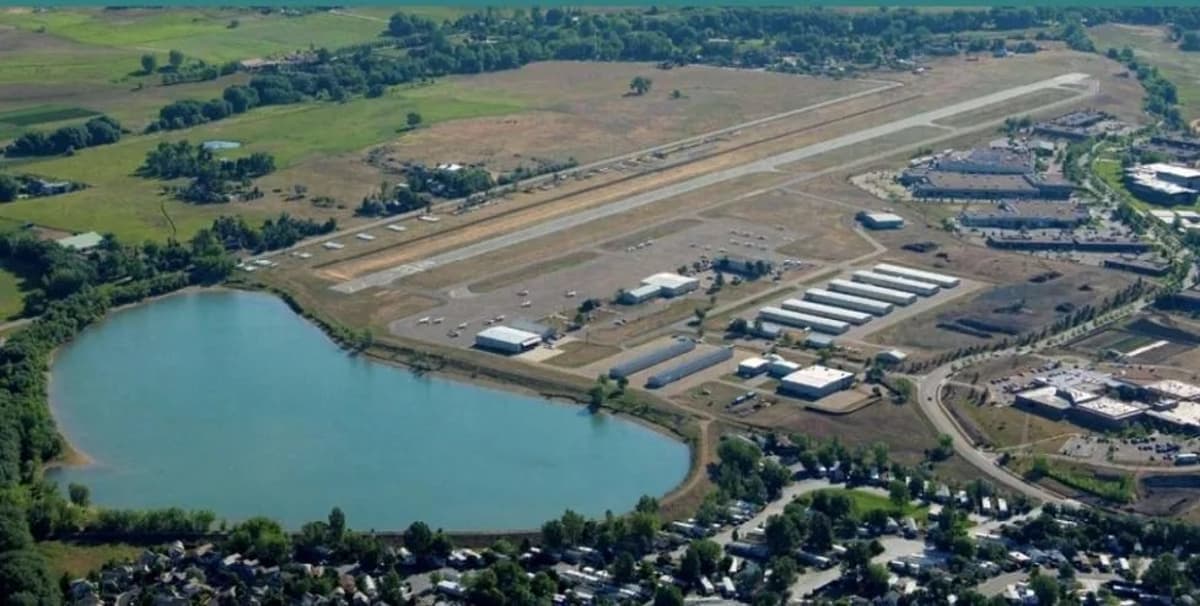
The Boulder Municipal Airport has become a flashpoint for municipal governance and aviation policy. A study session on April 23, intended as a low‑key staff briefing, sparked controversy when a 5-4 straw poll suggested the city should keep the airport open indefinitely and pursue new FAA grants. Critics argue the council overstepped the bounds of a "study" meeting, violating Colorado’s Open Meetings Law by sidestepping public testimony on a decision that effectively sets long‑term policy.
At the heart of the debate are the FAA's grant assurances, which require any recipient of new federal funding to maintain airport operations in perpetuity. This creates a legal and financial tether that could prevent Boulder from considering closure or repurposing the site after 2040, a timeline many residents view as a deadline for re‑evaluating the airport's role. Council attorney Teresa Tate acknowledged the technical truth of these assurances but stopped short of classifying the issue as a policy decision for elected officials, leaving ambiguity over who ultimately decides the airport's fate.
State-level input adds another layer: the Colorado Department of Transportation confirmed that state aviation grants for pavement maintenance carry only a three‑year obligation, not the indefinite commitment tied to federal funds. As Boulder schedules a special public hearing, stakeholders will weigh the trade‑offs between securing essential infrastructure funding and preserving local autonomy. The outcome could set a precedent for how municipalities navigate the intersection of federal grant conditions, open‑meeting compliance, and community-driven land‑use planning across the United States.
Boulder Airport Study Session Faces Legal Scrutiny
Comments
Want to join the conversation?
Loading comments...