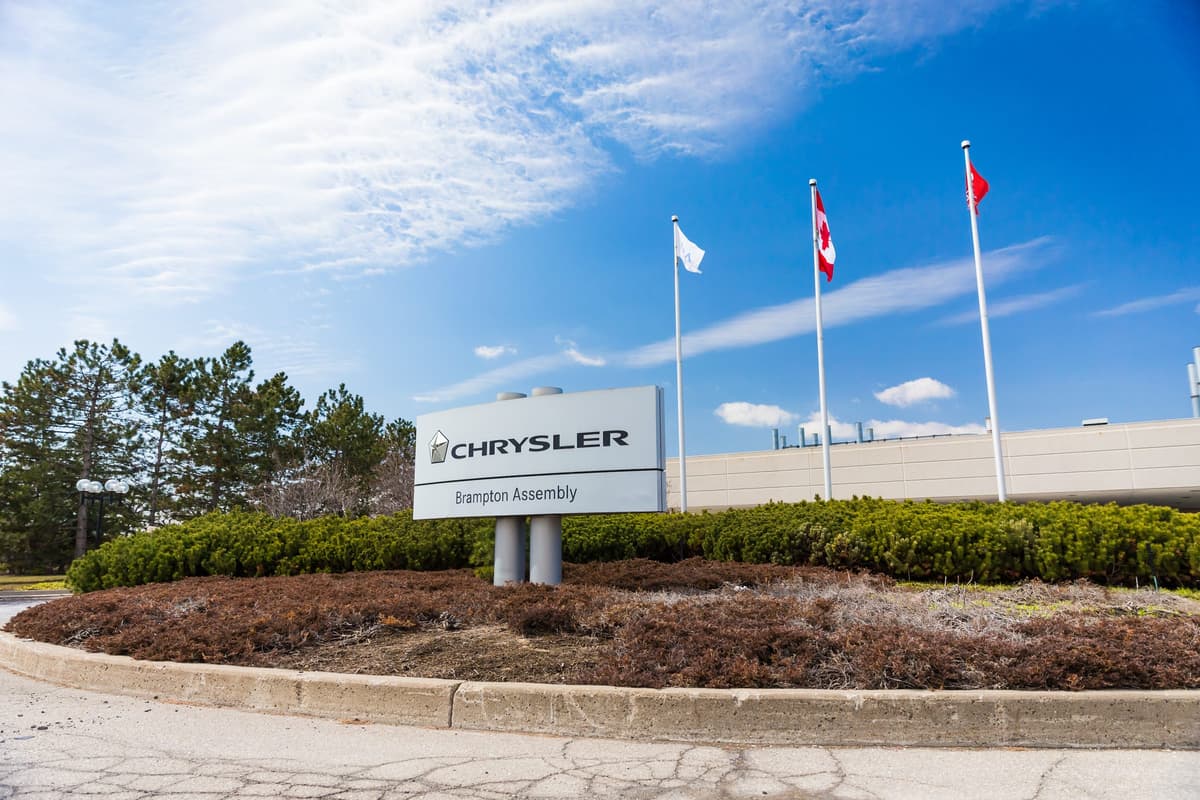
Brampton Pressures Stellantis to Reopen Factory by Rezoning Land
•February 27, 2026
0
Why It Matters
The rezoning directly ties municipal policy to corporate investment decisions, safeguarding thousands of manufacturing jobs and signaling how local governments can influence supply‑chain location strategies in the auto sector.
Key Takeaways
- •Council rezoned Brampton plant land for vehicle production only
- •Rezoning aims to prevent sale for non‑auto redevelopment
- •Stellantis halted Compass retooling, shifting production to Illinois
- •Around 3,000 union jobs hang in uncertainty
- •Company pledges to evaluate future product options for plant
Pulse Analysis
Brampton’s rezoning decision underscores how municipal authorities can leverage land‑use policy to protect industrial employment. By converting the site’s designation from general industrial to strictly automotive, the city removes the easy path to sell the property for commercial or residential projects, effectively tying the land’s future to vehicle production. This tactic reflects a broader trend of local governments stepping in when global automakers shift strategies, especially in regions where a single plant anchors the local economy.
The backdrop to Brampton’s predicament is the volatile landscape of trade policy and product planning. Stellantis abandoned its original plan to retool the plant for the next‑generation Jeep Compass after U.S. tariffs made cross‑border vehicle imports less attractive. The shift to the Belvidere, Illinois facility delayed the Compass launch to late 2027 and left the Ontario plant idle, exposing the vulnerability of manufacturing sites to geopolitical and fiscal pressures. For the workforce, the loss of a dedicated product line translates into immediate job insecurity for roughly 3,000 union members.
Looking ahead, Stellantis’ public commitment to evaluate new product opportunities suggests a potential reopening, but the timeline remains unclear. The company must balance investment costs, supply‑chain logistics, and political goodwill while meeting its pledge to sustain good manufacturing jobs. If a new model or electric‑vehicle line is assigned to Brampton, it could revitalize the local supply base and reaffirm Canada’s role in Stellantis’ North‑American strategy. Conversely, prolonged indecision may prompt further labor negotiations and could influence other automakers’ site‑selection criteria in the region.
Brampton Pressures Stellantis to Reopen Factory by Rezoning Land
0
Comments
Want to join the conversation?
Loading comments...