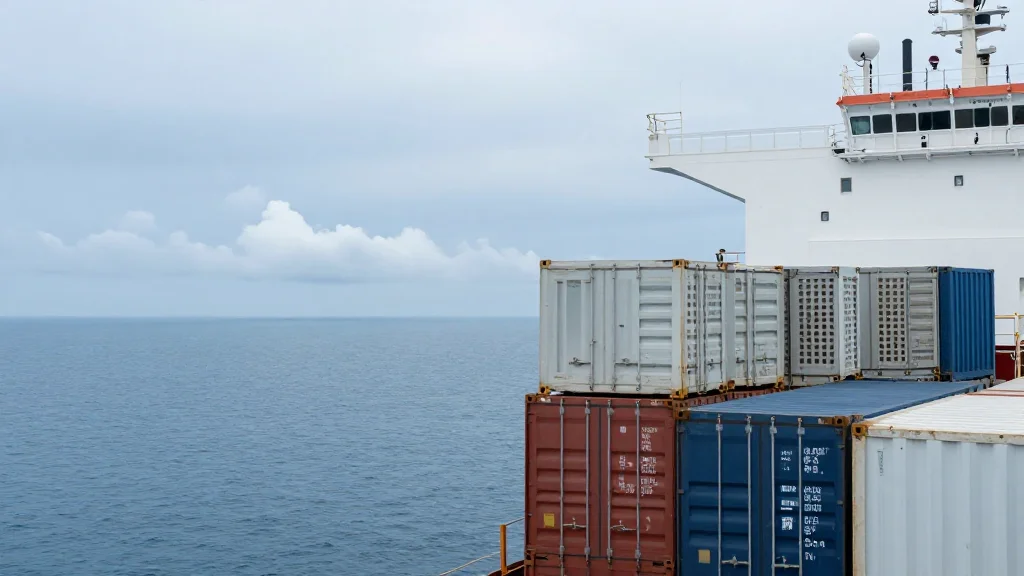
Breakbulk26: Repeated Global Crises Force Carriers to Adopt Strategies for Uncertainty
Why It Matters
The shift toward proactive communication and joint planning reduces delays and cost overruns in a market where disruptions are now the norm, safeguarding supply‑chain reliability for both carriers and shippers.
Key Takeaways
- •Carriers stress early engagement, transparency with shippers amid constant crises.
- •COVID-19, Suez blockage, Red Sea attacks, Panama drought increased uncertainty.
- •Bunker fuel volatility forces MPVs to carry larger fuel inventories.
- •Industry shift from “us‑versus‑them” to collaborative team approach.
- •Faster crisis response noted during Iran war versus pre‑COVID events.
Pulse Analysis
The breakbulk and project cargo sector is confronting a new reality where geopolitical tensions, climate‑driven events and pandemic‑related shocks intersect. Unlike the pre‑COVID era, where schedules were relatively predictable, today carriers must anticipate cascading disruptions—from canal closures to regional conflicts—that can ripple through global supply chains within days. This heightened volatility forces operators to treat risk management as a core competency rather than an afterthought, prompting a reevaluation of traditional planning cycles and a greater reliance on real‑time intelligence.
In response, carriers are reshaping operational tactics and partnership models. By maintaining larger bunker fuel inventories, MPV operators such as G2 Ocean gain the flexibility to reroute vessels toward more affordable fuel markets, mitigating price spikes and availability issues. Simultaneously, the industry is moving away from an adversarial "us‑versus‑them" stance toward shippers, embracing a collaborative framework that emphasizes early engagement and transparent communication. This team‑oriented approach enables faster decision‑making during crises—evident in the swift adjustments made during the Iran conflict—and helps align expectations around construction and production delays.
Looking ahead, the emphasis on resilience is likely to drive investment in digital platforms that provide end‑to‑end visibility and predictive analytics. Enhanced data sharing between carriers and shippers can surface emerging threats, allowing pre‑emptive route optimization and inventory adjustments. As the frequency of global disruptions shows no sign of abating, carriers that institutionalize these collaborative, data‑driven practices will secure competitive advantage and ensure smoother cargo flows for the broader logistics ecosystem.
Breakbulk26: Repeated global crises force carriers to adopt strategies for uncertainty
Comments
Want to join the conversation?
Loading comments...