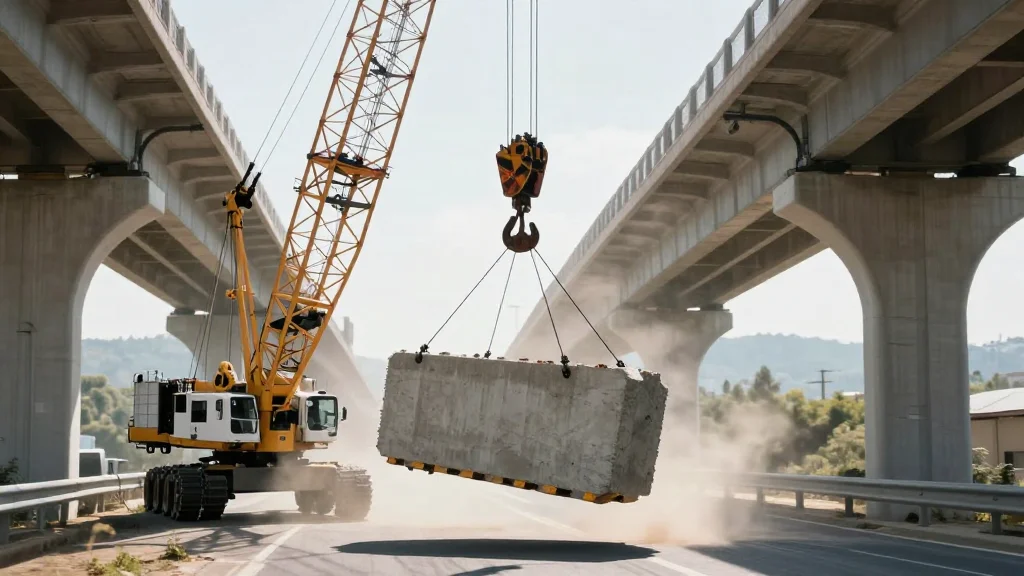
Bridge Demolition Begins on Overpass Above I-279 in Ross, Pennsylvania

Why It Matters
The demolition of the Ross overpass directly affects a key segment of Interstate 279, a conduit for daily commuters, regional freight, and emergency services. Disruptions on this corridor can increase travel times, fuel consumption, and emissions, underscoring the importance of effective traffic management during infrastructure projects. Moreover, the removal of an aging structure creates an opportunity to upgrade the crossing to modern safety and accessibility standards, potentially reducing long‑term maintenance costs and improving resilience against extreme weather events. Beyond the immediate locality, the project reflects a nationwide push to replace deteriorating bridges that the American Society of Civil Engineers rates as critical. Successful execution can serve as a model for other municipalities grappling with similar infrastructure challenges, demonstrating how coordinated planning and transparent communication can mitigate short‑term inconvenience while delivering long‑term benefits.
Key Takeaways
- •Demolition of the overpass above I‑279 in Ross, Pennsylvania, has begun.
- •The project targets a key highway corridor used by commuters and freight traffic.
- •Local officials are coordinating lane closures and detour routes to manage traffic.
- •Specific timelines, demolition methods, and replacement plans were not disclosed.
- •The removal aims to address structural fatigue and modernize the crossing.
Pulse Analysis
Pennsylvania’s bridge inventory is aging, with many structures built in the post‑World War II era now exceeding their design life. The Ross overpass demolition is emblematic of a broader shift toward proactive infrastructure renewal, driven by federal funding boosts from recent bipartisan infrastructure legislation. While the immediate impact on traffic is a concern, the long‑term payoff includes reduced maintenance liabilities and enhanced safety for a corridor that supports both local and regional economies.
Historically, bridge projects have been plagued by cost overruns and schedule delays, often due to unforeseen site conditions or funding gaps. However, the current climate of heightened public scrutiny and tighter project management protocols—spurred by lessons from high‑profile failures—has led agencies like PennDOT to adopt more rigorous planning frameworks. The Ross project’s early communication of traffic mitigation strategies suggests an effort to avoid the backlash that has marred past projects.
Looking ahead, the replacement structure could incorporate multimodal elements, such as bike lanes and pedestrian pathways, aligning with emerging transportation policies that prioritize sustainability and equity. If the new overpass integrates these features, it could set a precedent for future bridge projects across the state, encouraging a shift from vehicle‑centric designs to more inclusive infrastructure. The success of this demolition and subsequent reconstruction will likely influence how quickly other aging bridges are slated for replacement, shaping Pennsylvania’s transportation landscape for decades to come.
Bridge Demolition Begins on Overpass Above I-279 in Ross, Pennsylvania
Comments
Want to join the conversation?
Loading comments...