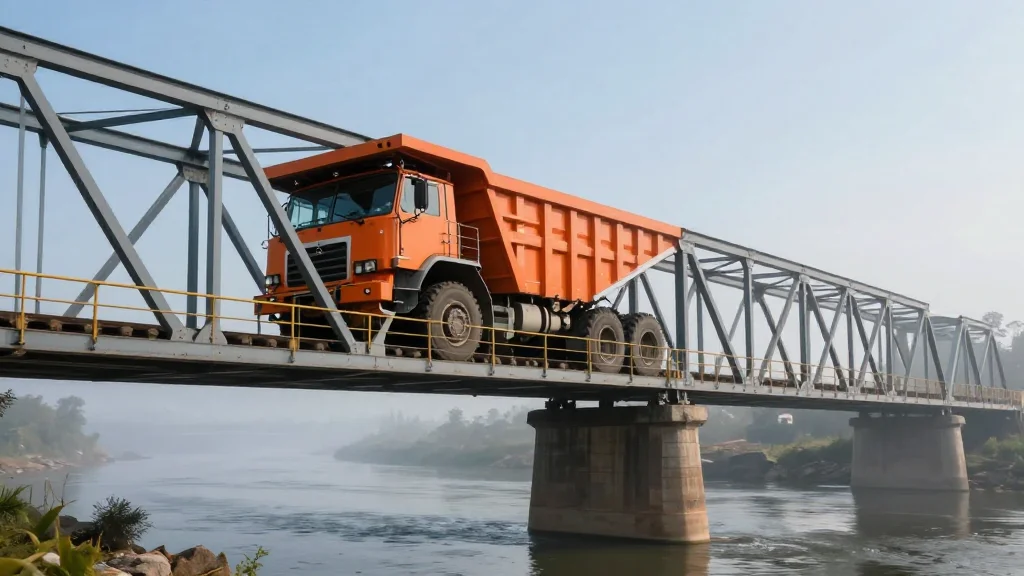
Bridge Opens in Key Qld Coal Corridor
Why It Matters
A reliable, flood‑proof link boosts logistics efficiency and lowers operating costs for Bowen Basin coal exporters, reinforcing Australia’s position in the global market. It also enhances worker safety and supports ESG goals in a climate‑vulnerable region.
Key Takeaways
- •Phillips Creek Bridge opens, linking Dysart and Moranbah via Saraji Road
- •New crossing designed to withstand floods, improving worker safety
- •Reduces travel time for coal freight, boosting Bowen Basin logistics
- •Supports Queensland's $50 million infrastructure investment in mining corridors
- •Expected to increase annual coal export capacity by several million tonnes
Pulse Analysis
The Bowen Basin, responsible for roughly 40% of Australia’s coal output, has long depended on a narrow network of roads that are vulnerable to seasonal flooding. When heavy rains swell the Isaac River and its tributaries, key routes between mining towns such as Dysart and Moranbah can become impassable, forcing trucks onto longer detours and delaying shipments to ports. These disruptions not only raise operating costs for miners but also threaten the reliability of export contracts. The new Phillips Creek Bridge directly addresses this chronic bottleneck.
Engineered as a flood‑resilient structure, the Phillips Creek Bridge spans Saraji Road with a raised deck and reinforced abutments capable of withstanding water levels 1.5 metres above historic peaks. The design includes high‑visibility railings and emergency lanes, enhancing safety for both workers commuting to mine sites and heavy‑haul freight. By providing a direct, all‑weather link between Dysart and Moranbah, the crossing cuts travel time by an estimated 15‑20 minutes per trip, translating into lower fuel consumption and reduced emissions for the region’s logistics fleet.
The bridge is part of Queensland’s broader $50 million investment in mining corridor upgrades aimed at sustaining the state’s export competitiveness. By securing a reliable road artery, the project supports an additional several million tonnes of coal reaching the Port of Gladstone each year, reinforcing Australia’s position in the global thermal coal market. Moreover, the infrastructure’s resilience aligns with ESG expectations, reducing downtime and environmental impact while safeguarding worker welfare. Analysts expect similar upgrades to follow, creating a more robust supply chain that can adapt to climate‑related challenges.
Bridge opens in key Qld coal corridor
Comments
Want to join the conversation?
Loading comments...