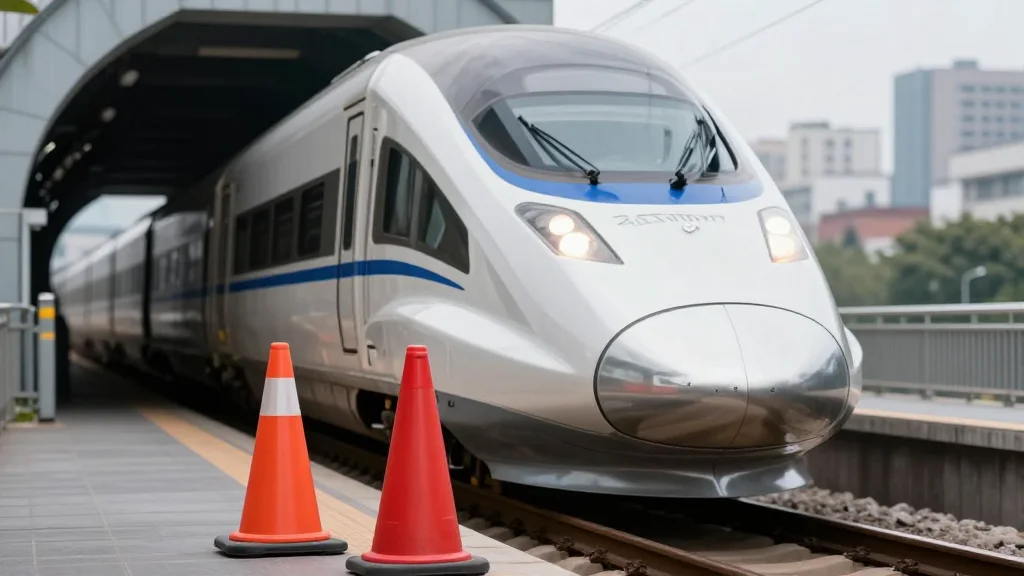
Brightline Train Fatality Marks 206th Death Since 2017, Killing Graffiti Artist on I‑95

Companies Mentioned
Why It Matters
The death of Eric Alan Hirt spotlights a persistent safety challenge for high‑speed rail systems that run through urban neighborhoods. As Brightline expands, the balance between rapid transit benefits and community risk becomes a policy flashpoint. Without robust physical barriers or audible warnings, tracks that intersect residential zones remain vulnerable to accidental trespass, potentially eroding public trust in rail projects. Beyond the immediate tragedy, the incident may influence regulatory scrutiny of “quiet zones” and spur legislative proposals for mandatory fencing or technology‑based detection systems. The outcome could set precedents for other U.S. high‑speed corridors, shaping how future rail infrastructure integrates with densely populated areas while safeguarding pedestrians and nearby residents.
Key Takeaways
- •Brightline train struck graffiti artist Eric Alan Hirt on I‑95 at 12:26 a.m. May 13
- •Incident is the 206th Brightline‑related fatality since 2017 and the ninth this year
- •Train was traveling at approximately 79 mph in a designated quiet zone with no horn
- •Hirt’s wife cited lack of safety features; MSGCrew posted tribute on Instagram
- •Investigation ongoing; potential calls for fencing and mandatory horn usage
Pulse Analysis
Brightline’s rapid growth has been a showcase for private high‑speed rail in the United States, yet its safety record remains a blind spot in the narrative of progress. The cumulative death toll—206 since 2017—suggests that the industry’s risk calculus may be under‑estimated, especially where tracks intersect residential streets. Historically, rail accidents have prompted regulatory overhauls; the 1993 Federal Railroad Safety Act, for example, mandated positive train control after a series of high‑profile crashes. A similar inflection point could emerge here if lawmakers tie the Brightline expansion to concrete safety upgrades.
The “quiet zone” policy, while well‑intentioned to reduce noise pollution, creates a trade‑off that is now being questioned. In densely built corridors, the absence of an audible warning can be fatal for individuals who are partially deaf, visually impaired, or simply unaware of an approaching train. Technological solutions—such as track‑side intrusion detection, automated alerts to nearby smartphones, or low‑cost fencing—could mitigate risk without reintroducing disruptive noise.
From a market perspective, the incident may temper demand among cautious commuters and investors. Brightline’s branding emphasizes speed and convenience; any perception of unsafe operations could dampen ridership growth, especially as competing modes like autonomous shuttles and electric buses gain traction. The company’s silence on the matter may be strategic, but transparency will be essential to maintain stakeholder confidence. In the months ahead, the outcome of the investigation and any regulatory response will likely shape the trajectory of private rail ventures across the nation, setting a benchmark for how safety is balanced against speed and cost.
Brightline Train Fatality Marks 206th Death Since 2017, Killing Graffiti Artist on I‑95
Comments
Want to join the conversation?
Loading comments...