Brightline West $6 Billion Federal Loan Faces Opposition From Anti-Texas Bullet Train Group
Companies Mentioned
Why It Matters
The loan could unlock the nation’s first electric high‑speed rail, but opposition highlights the broader policy debate over federal credit for risky infrastructure and the potential precedent for future projects like Texas Central.
Key Takeaways
- •ReRoute the Route lobbies DOT to block Brightline West’s $6B loan.
- •Brightline West seeks $4B senior loan contingent on RRIF approval.
- •Project cost rose 35% to $21.5B, far exceeding prior estimates.
- •No RRIF loan has ever exceeded $1B; $6B request is unprecedented.
- •Approval could set precedent for Texas Central bullet‑train financing.
Pulse Analysis
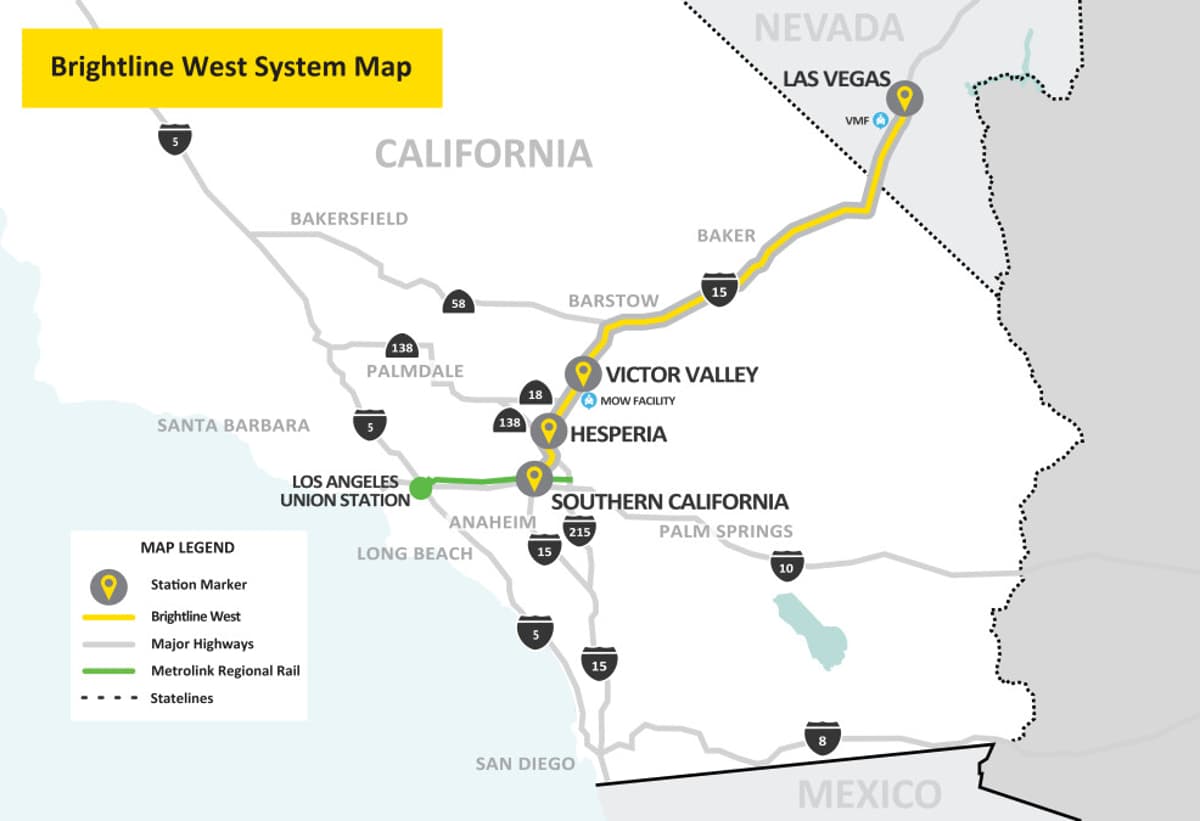
Brightline West represents a bold attempt to introduce the United States’ first electric high‑speed rail corridor, connecting the entertainment hub of Las Vegas with the sprawling Los Angeles metropolitan area. The $6 billion RRIF loan is not merely a line item; it is the linchpin that would enable a $4 billion senior loan package and bridge the financing gap for a project now estimated at $21.5 billion. Without federal credit, private capital has signaled reluctance, leaving the venture dependent on taxpayer‑backed assistance to move beyond the planning stage.
The opposition, led by ReRoute the Route—a coalition of Texas farmers, ranchers, and businesses—frames the request as a policy risk. By arguing that approving such a high‑risk, pre‑construction loan would set a precedent for the Texas Central bullet‑train, the group seeks to tighten the Department of Transportation’s creditworthiness standards. Their letter to the Build America Bureau underscores concerns that the loan exceeds the historical $1 billion ceiling for RRIF assistance, effectively socializing costs while allowing the private operator to capture future profits. This narrative taps into broader skepticism about public‑private partnerships that may shift fiscal exposure onto taxpayers.
The outcome of Brightline West’s loan application will reverberate across the U.S. infrastructure landscape. A green light could signal a new era of federal willingness to back ambitious, high‑risk rail projects, potentially accelerating the nation’s lagging high‑speed rail agenda. Conversely, a rejection would reinforce a more conservative financing posture, compelling developers to seek alternative capital structures or scale back ambitions. Investors, state policymakers, and industry stakeholders will be watching closely, as the decision will shape the financing playbook for future high‑speed rail and large‑scale transportation initiatives.
Brightline West $6 billion federal loan faces opposition from anti-Texas bullet train group
Comments
Want to join the conversation?
Loading comments...