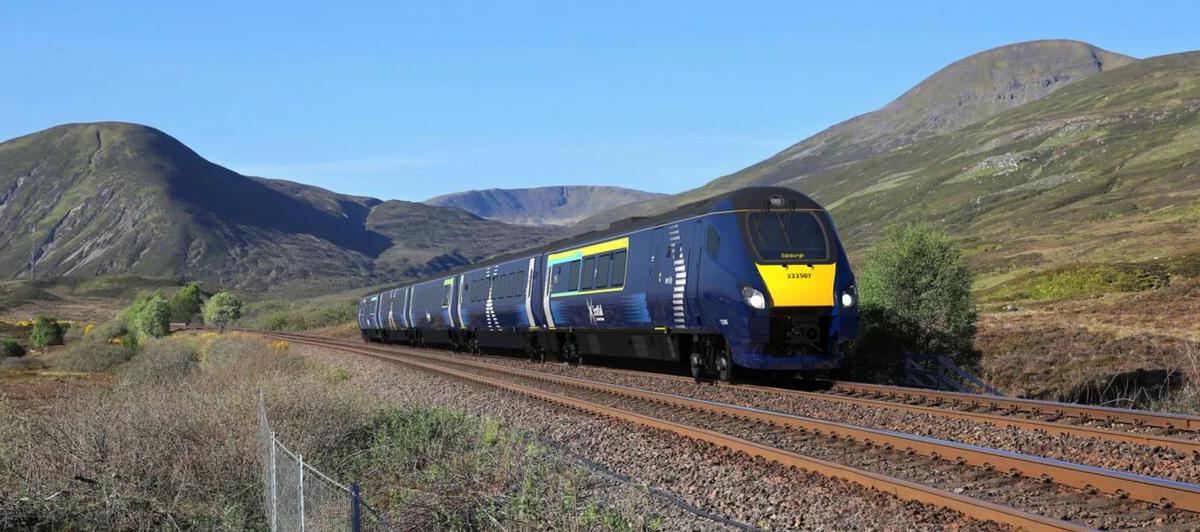
Bringing Low Earth Orbit (LEO) Satellite Connectivity to Scotland’s Rail Network
Companies Mentioned
Why It Matters
Reliable onboard internet is becoming a core rail service, boosting passenger satisfaction while providing real‑time data that enhances train operations and supports climate and accessibility objectives.
Key Takeaways
- •LEO satellite Wi‑Fi deployed across ScotRail’s Class 222 intercity fleet
- •Connectivity reduces dependence on terrestrial networks, improving rural coverage
- •Upgrade integrates with Alstom’s lifecycle refurbishment and sustainability targets
- •Expected to enhance passenger experience and enable real‑time operational data
Pulse Analysis
The rail sector is turning to Low Earth Orbit satellite constellations to solve a long‑standing connectivity gap. Unlike traditional ground‑based cellular towers, LEO satellites orbit at roughly 1,200 km, offering low‑latency, high‑throughput links that can blanket remote corridors where mobile coverage is spotty. For operators, this technology translates into a more resilient communications backbone, enabling passengers to stay online and allowing railways to stream telemetry, video surveillance, and predictive‑maintenance data without interruption.
ScotRail’s partnership with Nomad Digital and Alstom leverages that capability across the Class 222 fleet, a key component of Scotland’s intercity network. By embedding satellite‑enabled Wi‑Fi, the railway reduces its dependence on uneven terrestrial networks, delivering a uniform passenger experience from bustling Glasgow stations to the sparsely populated Highlands. The connectivity upgrade dovetails with Alstom’s £330 million (≈$357 million) lifecycle refurbishment and a €380 million (≈$410 million) broader contract, embedding digital tools that support real‑time passenger information, crew communications, and energy‑efficiency monitoring—all while meeting the sustainability targets set out in Alstom UK & Ireland’s climate strategy.
Beyond the immediate benefits, the deployment signals a shift in the UK rail market toward data‑centric operations. As more operators adopt LEO solutions, opportunities emerge for value‑added services such as on‑board entertainment, dynamic ticketing, and AI‑driven asset management. The competitive edge will belong to those that can integrate satellite connectivity with existing signalling and control systems, turning raw bandwidth into actionable insights. While regulatory approvals and spectrum coordination remain challenges, the momentum suggests that satellite‑backed digital rail will become a standard pillar of future UK transportation infrastructure.
Bringing Low Earth Orbit (LEO) Satellite Connectivity to Scotland’s Rail Network
Comments
Want to join the conversation?
Loading comments...