Brit Maritime Agency Heralds Fresh Global Rules for Crewless Cargo Ships
Why It Matters
The code provides a unified regulatory baseline, reducing legal uncertainty and encouraging investment in autonomous shipping technologies worldwide.
Key Takeaways
- •MCA co‑authored first non‑mandatory IMO MASS safety code.
- •Code releases July 1; mandatory version targeted for 2030 adoption.
- •Four autonomy levels mirror self‑driving car classifications.
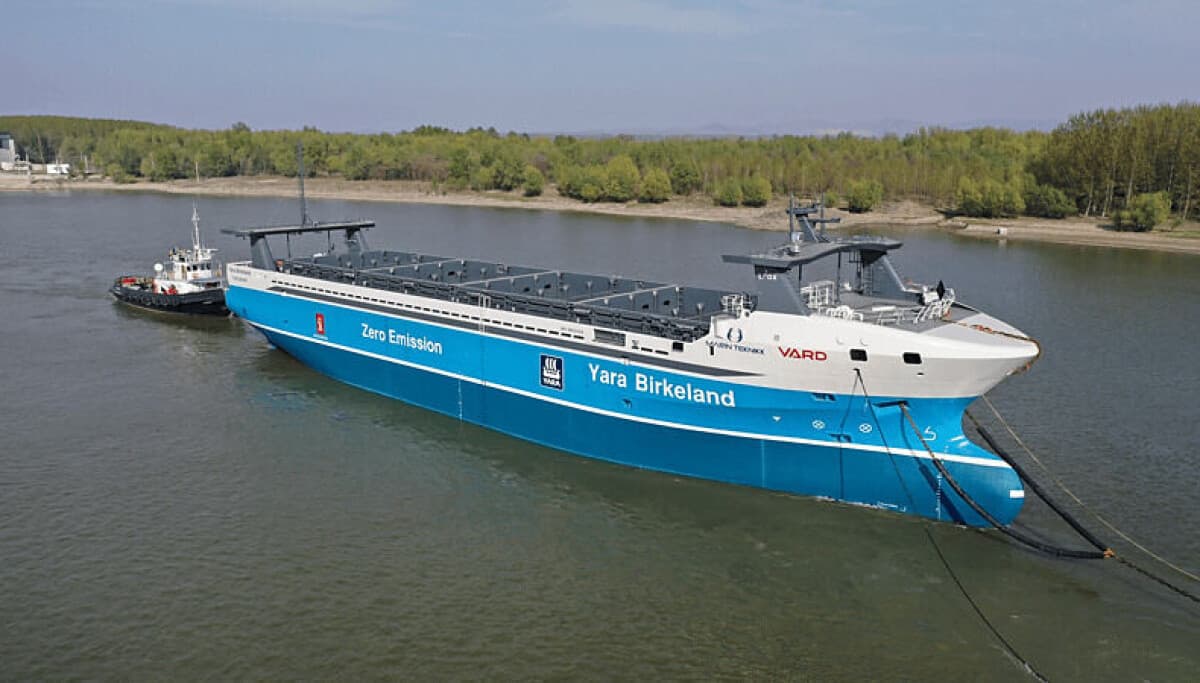
- •Yara Birkeland demonstrates viable electric autonomous cargo vessel.
- •Clarifies responsibility for crewless ships, impacting rescue and liability.
Pulse Analysis
The International Maritime Organization’s upcoming International Code of Safety for Maritime Autonomous Surface Ships (MASS) marks the first coordinated attempt to regulate uncrewed cargo vessels. Britain’s Maritime and Coastguard Agency (MCA) played a pivotal role, representing UK interests in the working groups that produced the non‑mandatory draft slated for publication on July 1. By establishing a baseline of safety requirements, the code aims to harmonise disparate national approaches and give shipowners a clear compliance pathway. A mandatory version is expected by 2030, with full force in 2032, signalling a long‑term regulatory commitment.
The draft code defines four degrees of autonomy, echoing the taxonomy used for autonomous cars. Degree 1 retains crew on board with automated subsystems, while Degree 4 envisions fully autonomous ships operating without any human presence. The IMO identified high‑priority issues such as fire‑fighting, cargo stowage, maintenance, watch‑keeping and, critically, search‑and‑rescue responsibilities. Clarifying who bears liability in Degrees 3 and 4 is essential for insurers and flag states, and will shape the design of onboard safety architecture and remote‑control protocols.
Industry momentum is already evident. Norway’s Yara Birkeland, an 80‑metre, 3,200‑tonne electric container ship, demonstrates that zero‑emission, crewless operations can be commercially viable. As the regulatory framework solidifies, investors are likely to accelerate funding for autonomous‑vessel projects, while ports and logistics firms will need to adapt infrastructure for remote monitoring and docking. The UK’s leadership through the MCA positions it as a hub for maritime‑tech innovation, potentially attracting R&D tax credits and export opportunities. Such regulatory clarity could also streamline certification processes, reducing time-to-market for new autonomous fleets.
Brit maritime agency heralds fresh global rules for crewless cargo ships
Comments
Want to join the conversation?
Loading comments...