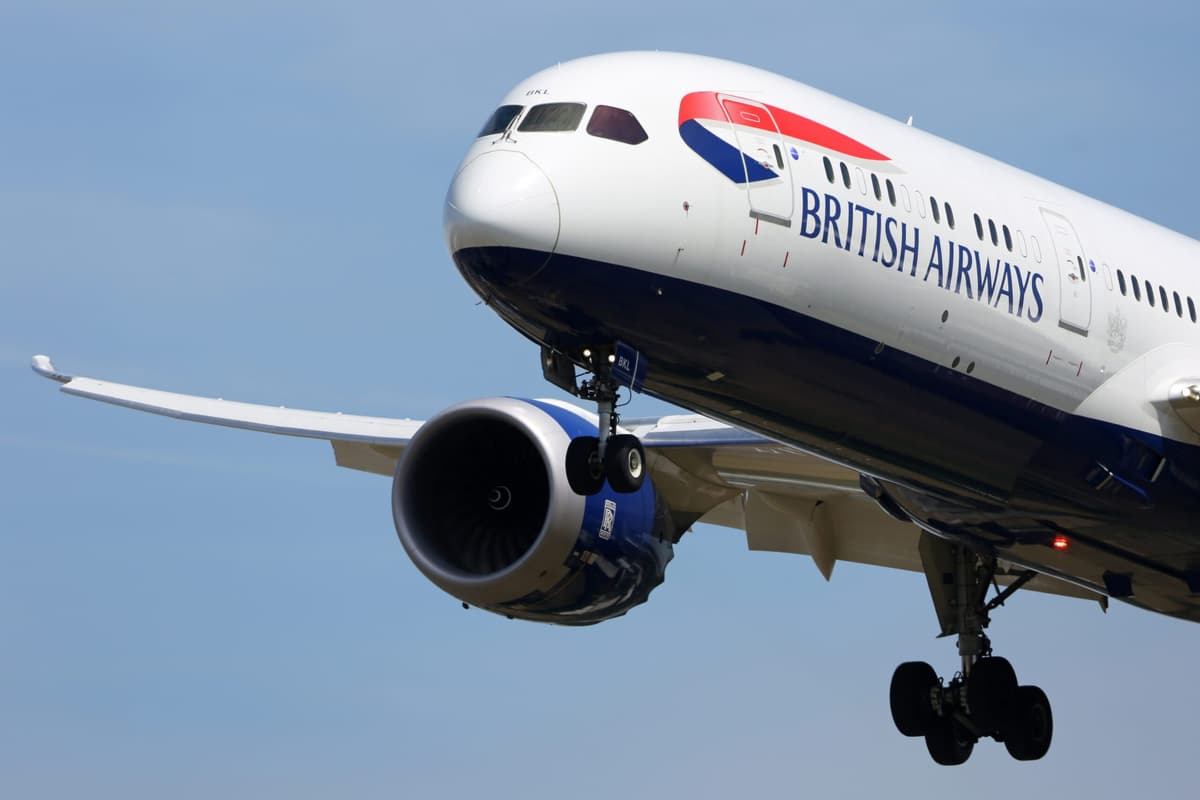
British Airways Ultra-Fast Starlink Wi-Fi Rollout Slows to a Snails Pace: Only Five Aircraft Equipped
Key Takeaways
- •BA installed Starlink on only five of twelve 787‑8 Dreamliners.
- •Installation rate predicts just 58 aircraft by 2028, 20% fleet coverage.
- •Other airlines achieve eight‑hour installs, ten times faster than BA's pace.
- •Hangar slot scarcity, not kit shortage, stalls BA's rollout.
- •Fleet reliability issues force last‑minute cancellations, compounding Wi‑Fi delays.
Pulse Analysis
Starlink’s promise of low‑latency, satellite‑based broadband has reshaped passenger expectations for in‑flight connectivity. While legacy satellite systems often deliver sluggish speeds and high latency, SpaceX’s constellation offers near‑ground‑level performance, prompting airlines worldwide to race for adoption. British Airways seized the narrative early, marketing free, ultra‑fast Wi‑Fi as a differentiator for its premium and economy cabins. The move aligned with a broader industry trend where carriers leverage connectivity to boost ancillary revenue, improve crew communications, and enhance the overall travel experience.
In practice, the technical rollout has proved uneven. United Airlines and Qatar Airways report average installation times of eight hours per aircraft, a speed ten times faster than traditional systems. BA’s pace, however, has stalled at five fitted 787‑8s after nine weeks, largely due to limited hangar slots rather than hardware shortages. The airline’s fleet reliability woes—particularly prolonged grounding of Boeing 787s over Rolls‑Royce engine concerns—have further constrained available maintenance windows. As a result, BA risks falling behind competitors that can swiftly equip dozens of planes, potentially diminishing its brand promise of seamless connectivity.
The operational implications are significant. With only a 1‑in‑55 chance of boarding a Starlink‑enabled flight, passengers may opt for airlines offering guaranteed high‑speed internet, especially on long‑haul routes where connectivity is a decisive factor. Moreover, the projected 20% fleet coverage by 2028 could exacerbate BA’s existing cancellation challenges during peak travel periods. To mitigate these risks, BA must prioritize dedicated retrofit bays, possibly partnering with third‑party MRO providers, and align its Wi‑Fi rollout with broader fleet modernization plans. Accelerating the Starlink deployment will not only safeguard customer loyalty but also position the airline competitively in an increasingly digital travel landscape.
British Airways Ultra-Fast Starlink Wi-Fi Rollout Slows to a Snails Pace: Only Five Aircraft Equipped
Comments
Want to join the conversation?