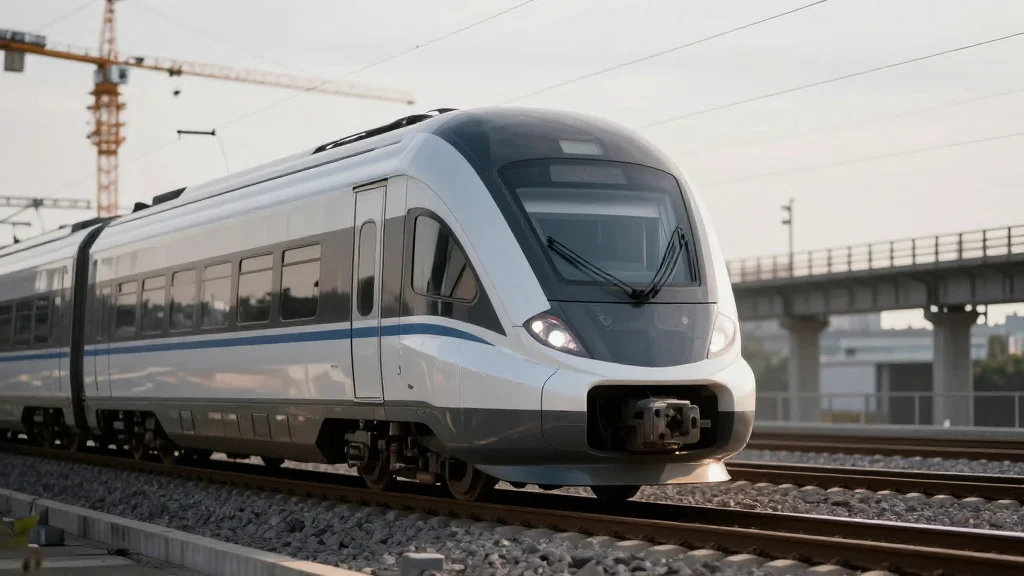
British Government Outlines Key Milestones in Journey to GBR
Companies Mentioned
Why It Matters
The timetable provides the rail sector with clear milestones, enabling investors and operators to align capital plans with upcoming regulatory changes. It signals the UK’s commitment to a unified, publicly owned rail system, which could reshape market dynamics and service delivery.
Key Takeaways
- •DfT releases 2027 GBR implementation timetable
- •Rolling‑stock and infrastructure strategy due summer 2024
- •Access policy and freight appeal process slated for spring 2027
- •Long‑term rail strategy to be published autumn 2027
- •RIA praises timetable for supplier investment confidence
Pulse Analysis
Britain’s rail reform has accelerated since the 2021 proposal for Great British Railways, a public company designed to integrate infrastructure and passenger services under one umbrella. The Department for Transport’s new timetable marks a shift from vague promises to concrete deadlines, aligning policy, regulatory, and operational milestones. By publishing the rolling‑stock and infrastructure strategy this summer, the government aims to synchronize train procurement, electrification, and capacity planning, reducing the fragmented decision‑making that has historically hampered efficiency.
For industry suppliers, the roadmap offers a rare window into future demand. The scheduled release of the access and use policy and the Office of Rail and Road’s freight‑appeal framework in spring 2027 will clarify how operators can secure network slots and contest charges, fostering a more competitive environment. RIA’s endorsement underscores that clear timelines translate into confidence for capital investment, as manufacturers and service providers can now align product development cycles with the anticipated rollout phases of GBR.
Looking ahead, the autumn‑2027 long‑term rail strategy will set the strategic direction for the next three decades, covering sustainability targets, digital signalling upgrades, and passenger experience standards. While the timetable promises speed, its success will hinge on parliamentary approval of the Railways Bill and effective coordination among 17 legacy entities now being merged. If executed smoothly, GBR could deliver a more resilient, passenger‑focused network, positioning the UK as a benchmark for state‑led rail modernization worldwide.
British government outlines key milestones in journey to GBR
Comments
Want to join the conversation?
Loading comments...