Buckle Up: Plane Tickets Could Still Get Much More Expensive
Why It Matters
Higher airfare erodes disposable income for travelers and squeezes corporate travel budgets, reshaping demand patterns across the aviation sector. The trend also pressures airlines to balance revenue growth with customer retention in a competitive market.
Key Takeaways
- •Rising jet fuel costs push base fares upward
- •Capacity constraints from delayed aircraft deliveries limit seat supply
- •Strong consumer demand outpaces airline revenue management adjustments
- •Potential regulatory fees could add $30‑$50 per ticket
- •Airlines may shift to dynamic pricing, increasing fare volatility
Pulse Analysis
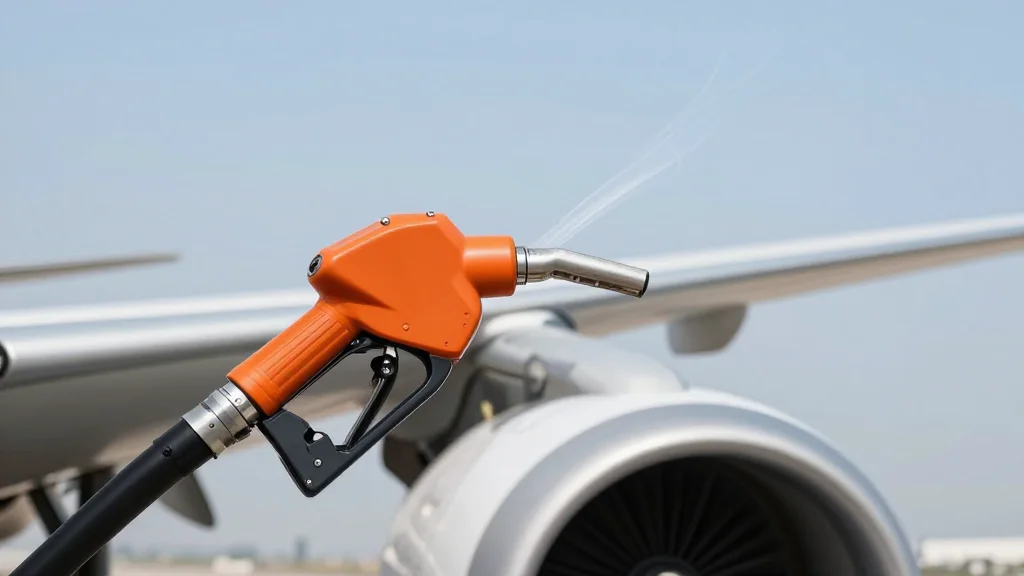
The airline industry is entering a pricing inflection point as fuel prices, which account for roughly 30% of operating costs, have rebounded sharply after a pandemic‑induced dip. When crude oil climbs, carriers typically pass a portion of the increase onto passengers, raising the baseline fare. This dynamic is compounded by the fact that many airlines postponed the delivery of fuel‑efficient aircraft, leaving a fleet that consumes more per mile and further inflating cost structures.
At the same time, demand for air travel has surged beyond pre‑COVID levels, driven by pent‑up leisure spending and a rebound in business trips. Airlines are grappling with a supply‑demand mismatch: limited seat availability forces revenue managers to tighten inventory, which in turn lifts average ticket prices. Moreover, regulators in several jurisdictions are proposing new environmental levies and airport congestion charges that could add $30 to $50 per ticket, a cost that will likely be reflected in the final price shown to consumers.
Looking ahead, carriers are expected to lean more heavily on dynamic pricing algorithms that adjust fares in real time based on demand signals, competitor actions, and cost inputs. While this approach can maximize revenue, it also introduces greater price volatility, making it harder for travelers to predict costs. For corporate travel planners and frequent flyers, the implication is clear: budgeting for air travel will require more flexibility, and early booking may become an even more valuable strategy to lock in lower rates before the next price surge.
Buckle up: plane tickets could still get much more expensive
Comments
Want to join the conversation?
Loading comments...