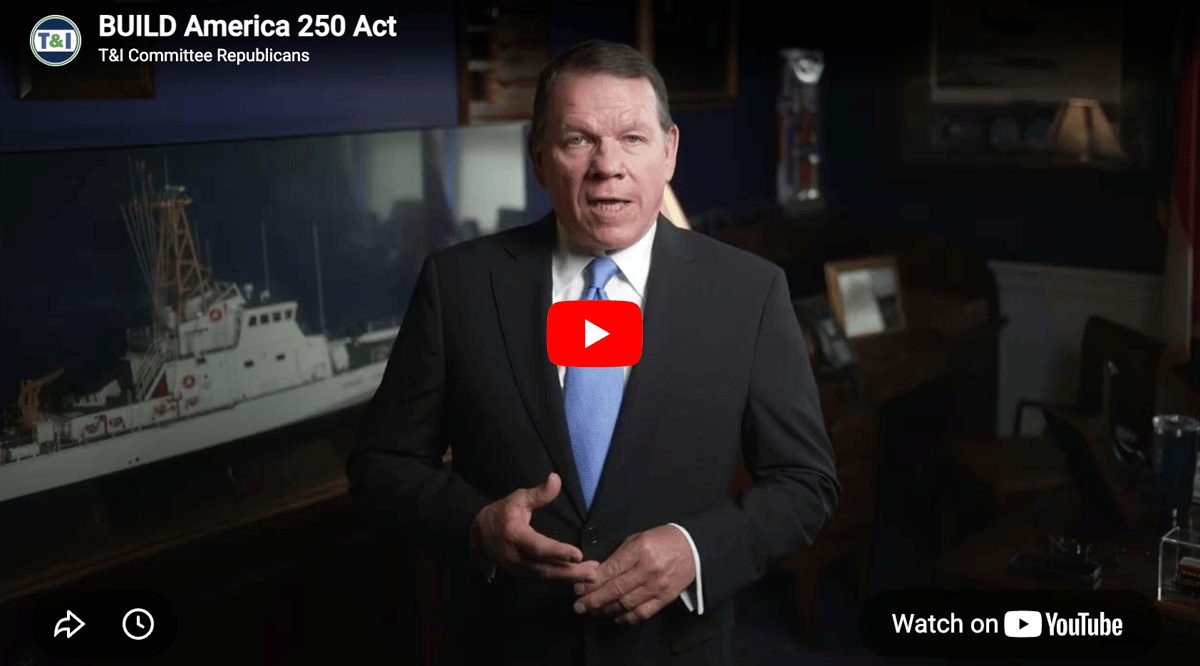
BUILD AMERICA 250 ACT: US Congress Bill Aims to Secure Long-Term Transport Funding
Companies Mentioned
Why It Matters
Securing multi‑year funding prevents project delays and bridges the revenue gap from declining fuel taxes, while the safety and technology provisions aim to reduce road fatalities and keep the U.S. at the forefront of mobility innovation.
Key Takeaways
- •Five-year reauthorisation secures multi‑year funding for highways, bridges, transit
- •New EV and PHEV fees aim to replenish Highway Trust Fund
- •$50 billion bridge program blends formula grants with competitive awards
- •Data‑driven safety mandates telematics and predictive analytics in state plans
- •Autonomous‑vehicle framework and transit‑partner provisions aim to keep US industry leadership
Pulse Analysis
The Build America 250 Act arrives at a critical juncture, as the Infrastructure Investment and Jobs Act (IIJA) faces expiration. By extending formula‑based highway funding and earmarking $50 billion for bridge rehabilitation, the bill offers the certainty that state DOTs need to keep large‑scale projects on schedule. The inclusion of modest EV ($130) and PHEV ($35) fees reflects a pragmatic response to the erosion of fuel‑tax revenues, ensuring the Highway Trust Fund remains solvent without imposing a heavy burden on consumers.
Beyond financing, the legislation marks a paradigm shift in road safety. Requiring states to embed telematics, predictive analytics, and other validated data tools into their Strategic Highway Safety Plans moves the focus from reactive crash analysis to proactive risk mitigation. Privacy safeguards and a GAO oversight study aim to balance innovation with public trust. If implemented effectively, these measures could cut the nearly 40,000 annual traffic fatalities by identifying high‑risk corridors before accidents occur.
The Act also positions the United States to lead in emerging mobility. By establishing a federal framework for autonomous vehicles and codifying transit‑partner exemptions for ride‑hailing firms like Lyft, it encourages private‑public collaboration and accelerates deployment of on‑demand services. Support from groups such as the Autonomous Vehicle Industry Association and the Transportation Construction Coalition underscores broad industry confidence. However, the bill’s future hinges on full House approval and subsequent Senate action, making swift legislative momentum essential to avoid a funding gap that could stall critical infrastructure upgrades.
BUILD AMERICA 250 ACT: US Congress bill aims to secure long-term transport funding
Comments
Want to join the conversation?
Loading comments...