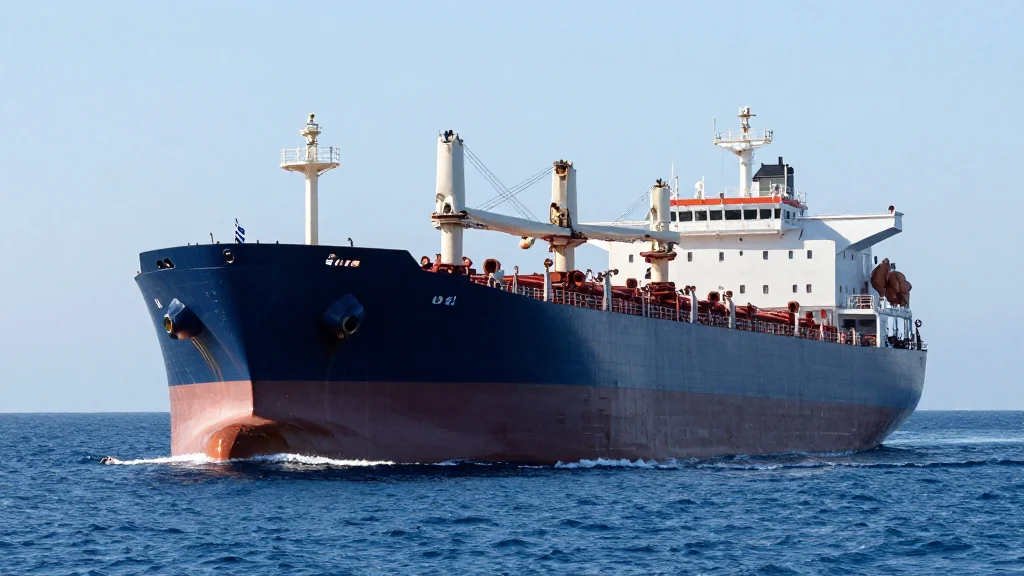
Bullish Bulker Market Opens Asset Play Window for Canny Greek Cape Owners
Companies Mentioned
Why It Matters
Elevated rates turn previously undervalued assets into profitable sales, reshaping the dry‑bulk market’s supply dynamics. Greek owners’ moves signal a shift that could tighten vessel availability and influence future freight pricing.
Key Takeaways
- •Greek owners sell six‑year‑old capesizes at premium rates
- •Freight rates exceed $28,000 per day, boosting vessel valuations
- •Chinese operators acquire aging ships to meet demand surge
- •Alberta Shipmanagement adds Lowlands Erica as its first capesize
Pulse Analysis
The global dry‑bulk sector has entered a bullish phase as demand for iron ore, coal and grain outpaces vessel supply. Spot freight rates for capesize carriers have climbed to record levels, regularly topping $28,000 a day. This price rally is driven by robust industrial activity in China and tighter port constraints, prompting charterers to pay a premium for reliable tonnage. The surge not only lifts earnings for ship operators but also reshapes the economics of older vessels that were once considered marginal.
Greek shipowners, who historically bought aging capesizes at deep discounts during market downturns, are now executing a calculated asset‑play. Vessels acquired roughly six years ago for a fraction of their replacement cost are being offered to Chinese buyers willing to keep them operational amid the rate boom. The strategy leverages the price differential between the low acquisition cost and the high current earnings, delivering strong capital gains and cash flow. High‑profile transactions, such as the Lowlands Erica joining Alberta Shipmanagement, underscore how seasoned owners are monetising their fleets while still meeting the demand for tonnage.
The ripple effects of this activity could tighten the available capesize pool, potentially sustaining elevated freight rates even if new‑build deliveries resume. However, the window may close if charter rates retreat or if financing conditions tighten, leaving owners with less leverage to off‑load older ships. Stakeholders should monitor charter market trends, Chinese demand patterns, and the pipeline of new‑build orders to gauge the durability of this asset‑play cycle. In the short term, the Greek owners’ manoeuvre adds liquidity to the market and sets a benchmark for valuation of similar aging bulk carriers.
Bullish bulker market opens asset play window for canny Greek cape owners
Comments
Want to join the conversation?
Loading comments...