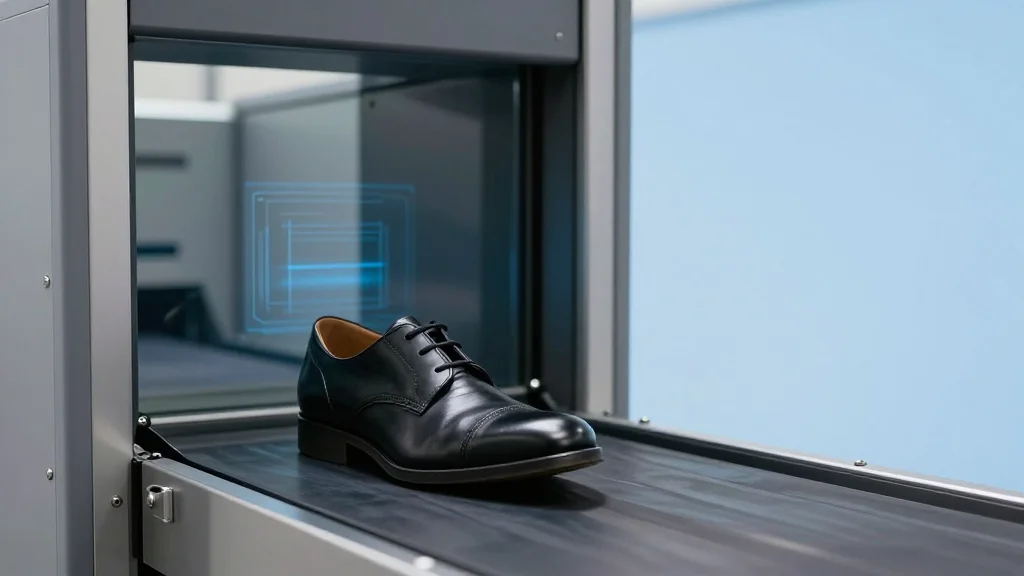
Buried DHS Watchdog Report Warned TSA ‘Shoes On’ Policy Created Security Risks
Why It Matters
Unresolved security flaws could expose airports to threats, while the lack of a formal TSA response raises accountability questions for federal aviation safety.
Key Takeaways
- •Inspector General audit flagged shoes‑on policy vulnerabilities
- •Report remained classified, limited distribution to few officials
- •TSA failed to submit required 90‑day response
- •Lawmakers question oversight after delayed audit handling
- •Technology readiness for shoes‑on policy still under scrutiny
Pulse Analysis
The TSA’s decision in July 2025 to let most travelers keep their shoes on marked a dramatic shift from post‑9/11 security protocols that required shoe removal after the 2006 shoe‑bombing attempt. Proponents argued that advanced imaging and explosive detection systems could compensate for the procedural change, promising faster lines and improved passenger experience. However, the DHS Inspector General’s covert testing revealed that, in practice, the technology’s detection rates were inconsistent, especially for concealed threats hidden in footwear. This gap underscores the tension between efficiency gains and the core mission of preventing prohibited items from reaching aircraft cabins.
Beyond the technical findings, the audit’s handling has become a focal point for oversight bodies. By classifying key sections and restricting access to a narrow circle of officials, the DHS limited the ability of TSA leadership and congressional committees to act swiftly on the recommendations. The agency’s failure to issue a formal 90‑day response—an established requirement for addressing audit findings—further erodes confidence in its internal accountability mechanisms. Lawmakers are now pressing for a more transparent review process, fearing that unresolved vulnerabilities could be exploited by malicious actors.
Looking ahead, the TSA faces pressure to either reinforce its current shoes‑on policy with proven detection capabilities or revert to mandatory shoe removal until technology catches up. Airlines and passengers alike are watching for policy adjustments that could affect travel timelines and operational costs. Stakeholders suggest a phased approach: pilot programs that validate detection performance, coupled with rigorous reporting to oversight entities. Such steps would restore credibility, align security practices with evolving threats, and ensure that efficiency improvements do not compromise passenger safety.
Buried DHS Watchdog Report Warned TSA ‘Shoes On’ Policy Created Security Risks
Comments
Want to join the conversation?
Loading comments...