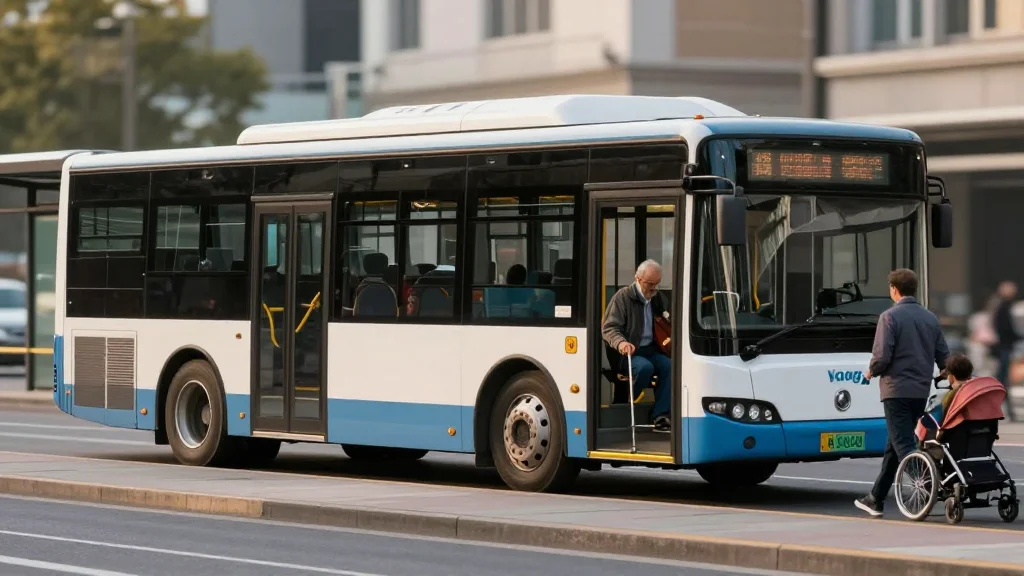
CA: Unmet Transit Needs Focus of Thursday Santa Cruz County RTC Meeting
Why It Matters
Funding allocations directly affect mobility for vulnerable populations and signal how regional agencies balance administrative costs with service delivery, shaping transit equity across Santa Cruz County.
Key Takeaways
- •RTC's 2026 unmet transit list prioritizes seniors, disabled, low‑income families.
- •$9.3 M Development Act and $4.5 M Transit Assistance earmarked for Santa Cruz Metro.
- •Partner agencies receive reduced Development Act share amid higher commission reserves.
- •Funding includes $108,897 for Volunteer Center and $914,735 for Community Bridges.
- •Meeting will influence future regional transit investments and equity initiatives.
Pulse Analysis
Santa Cruz County faces a growing mobility gap among seniors, people with disabilities, and low‑income households, a trend mirrored in many California regions. The 2026 Unmet Transit and Paratransit Needs List, compiled with input from the Elderly and Disabled Transportation Advisory Committee, underscores the urgency of expanding accessible services, improving information outreach, and integrating rideshare options. As the county’s population ages and housing costs rise, reliable public transit becomes a lifeline for those who cannot afford private vehicles, directly influencing employment access, health outcomes, and overall quality of life.
State funding mechanisms play a pivotal role in addressing these challenges. The Transportation Development Act, financed by a quarter‑cent of California’s 7.25 % sales tax, and State Transit Assistance, derived from diesel fuel taxes, together provide the bulk of the RTC’s budget. This year’s allocation includes $9.3 million in Development Act funds and $4.5 million in Transit Assistance for Santa Cruz Metro, alongside modest grants to Community Bridges and the Volunteer Center. However, the commission’s decision to increase its own reserve—now $1.9 million—has sparked criticism from advisory committee members who argue that frontline service providers are receiving a smaller slice of the pie than in previous years.
The outcomes of Thursday’s meeting will set the tone for the county’s transit strategy through 2027 and beyond. Stakeholders are watching to see whether the RTC will prioritize expanding paratransit connections, bolstering rideshare partnerships, or investing in higher‑density corridors that could support future passenger rail. A clear commitment to equity‑focused funding could encourage additional federal and private investments, while a tilt toward administrative reserves may prompt advocacy groups to push for legislative reforms. For regional planners, policymakers, and transit operators, the decisions made now will shape the accessibility and sustainability of Santa Cruz’s transportation network for years to come.
CA: Unmet transit needs focus of Thursday Santa Cruz County RTC meeting
Comments
Want to join the conversation?
Loading comments...