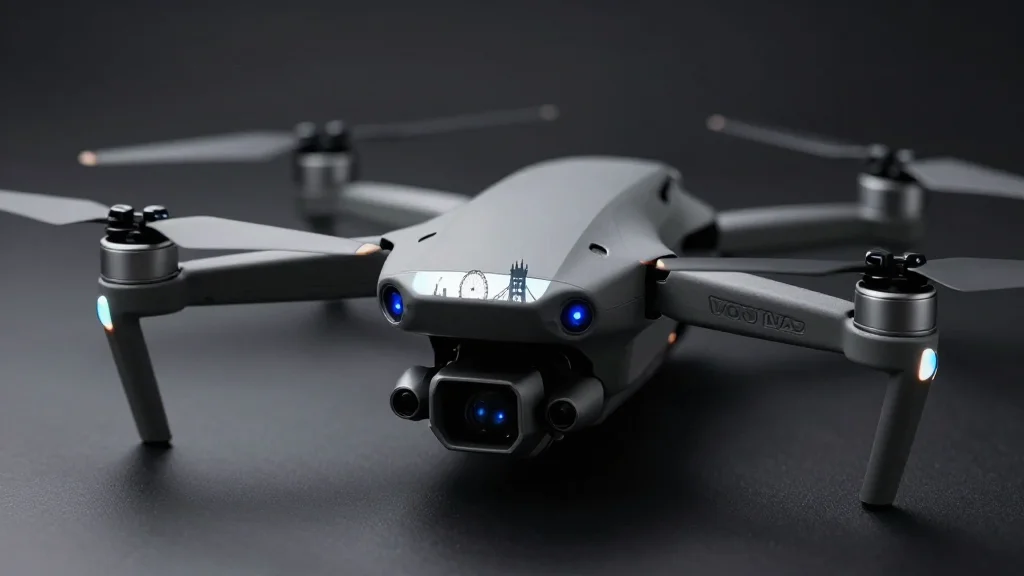
CAA to Support Advance of Drone and Flying Taxi Tech
Why It Matters
The programme positions the UK as a front‑runner in urban air mobility, unlocking new revenue streams and enhancing public‑service efficiency.
Key Takeaways
- •£46.5 million (~$59 M) allocated to drone and flying‑taxi programme.
- •New drone ID system will help police track illegal flights.
- •Digital application process will cut approval times for commercial drones.
- •Flying‑taxi services targeted for launch by 2028.
- •Initiative aims to boost UK aerospace jobs and economic growth.
Pulse Analysis
The United Kingdom is betting heavily on the next wave of aerial innovation, channeling roughly £46.5 million—about $59 million—through the Civil Aviation Authority (CAA). This infusion aligns the UK with global rivals such as the United States, China and France, all racing to codify standards for unmanned aircraft. By centralising oversight under the CAA, the government seeks a unified regulatory framework that can adapt quickly to emerging technologies while preserving the safety record that has defined British aviation for decades.
A cornerstone of the funding is a nationwide drone identification system designed to empower police forces. Illegal or unsafe drone operations have risen alongside commercial uptake, prompting concerns over privacy, security and airspace congestion. The new ID platform will assign unique digital signatures to each aircraft, enabling real‑time tracking and faster prosecution of violations. Coupled with a streamlined digital application portal, the reforms promise to shave weeks off approval cycles for emergency responders, hospitals and infrastructure inspectors, turning drones into reliable tools for public‑service logistics.
Looking further ahead, the initiative earmarks 2028 for the debut of flying‑taxi services, a milestone that could reshape urban transport and create a high‑skill jobs pipeline in aerospace engineering, software development and maintenance. By reducing bureaucratic friction and investing in safety‑critical infrastructure, the UK aims to attract private capital, stimulate export opportunities and cement its reputation as a hub for next‑generation mobility. If successful, the programme could generate billions in economic activity and position British firms at the forefront of a market projected to exceed $200 billion globally within the next decade.
CAA to support advance of drone and flying taxi tech
Comments
Want to join the conversation?
Loading comments...