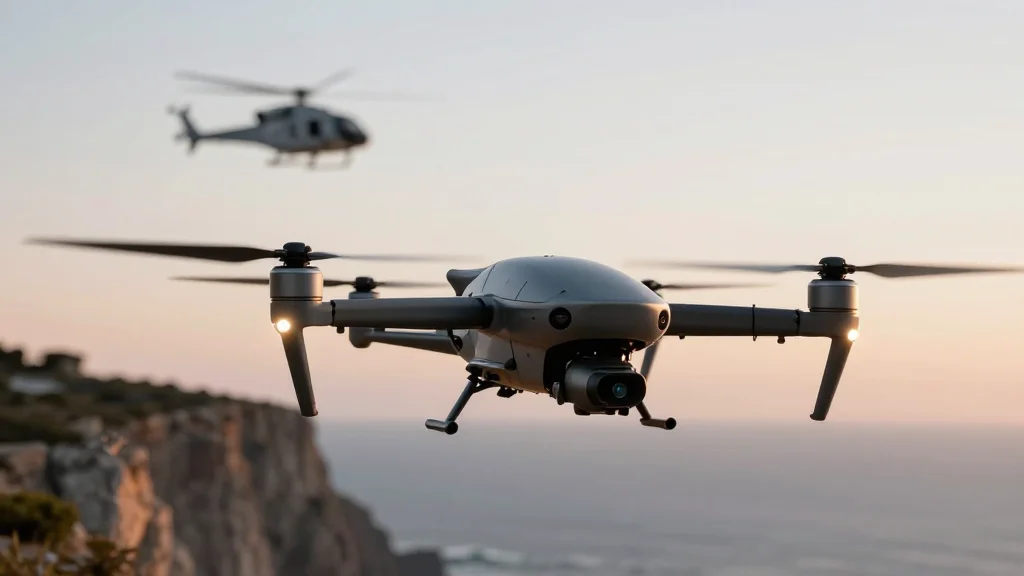
CAA Warns of Emergency Flight Disruptions by Drones
Why It Matters
Drone intrusions jeopardize critical pre‑hospital care, risking patient outcomes and straining emergency services. The issue highlights the urgent need for stricter airspace enforcement and public awareness as drone usage expands.
Key Takeaways
- •Nine UK air‑ambulance flights disrupted by drones in 2025
- •UK air ambulances conduct 134 missions daily across 21 charities
- •CAA mandates drones stay clear of emergency zones without permission
- •US agricultural pilots report 20% drone‑encounter rise in 2025 season
Pulse Analysis
Drone activity has surged worldwide, but the safety implications are becoming starkly evident in emergency aviation. In the United Kingdom, the Civil Aviation Authority (CAA) disclosed that nine air‑ambulance missions were compromised when hobbyist drones entered the flight path of helicopters responding to life‑threatening calls. With 21 charities operating roughly 134 missions per day, any delay can mean the difference between life and death. The incidents underscore a growing tension between the democratization of low‑cost aerial technology and the uncompromising safety standards required for critical medical transport.
In response, the CAA has tightened regulations, demanding that any drone over 100 grams be registered and that pilots complete the Flyer ID test. New guidance videos released jointly with Air Ambulances UK illustrate the prohibited zones around emergency scenes and stress that operators must obtain explicit clearance before entering those airspaces. Enforcement mechanisms are being bolstered, and the agency signals that repeat violations could lead to fines or confiscation of equipment. These steps aim to create a clear, enforceable boundary that protects both the public and the vital emergency services that rely on unobstructed air corridors.
Across the Atlantic, the United States faces a parallel challenge. The National Agricultural Aviation Association reported a 20% rise in unsafe drone encounters among aerial application pilots during the 2025 growing season, prompting the FAA to schedule a Drone Safety Day on April 25. The convergence of recreational drone use and professional low‑altitude operations is prompting regulators, industry groups, and the public to rethink airspace etiquette. As drone technology becomes more accessible, sustained education campaigns and robust compliance frameworks will be essential to safeguard emergency response capabilities and maintain confidence in the skies.
CAA Warns of Emergency Flight Disruptions by Drones
Comments
Want to join the conversation?
Loading comments...