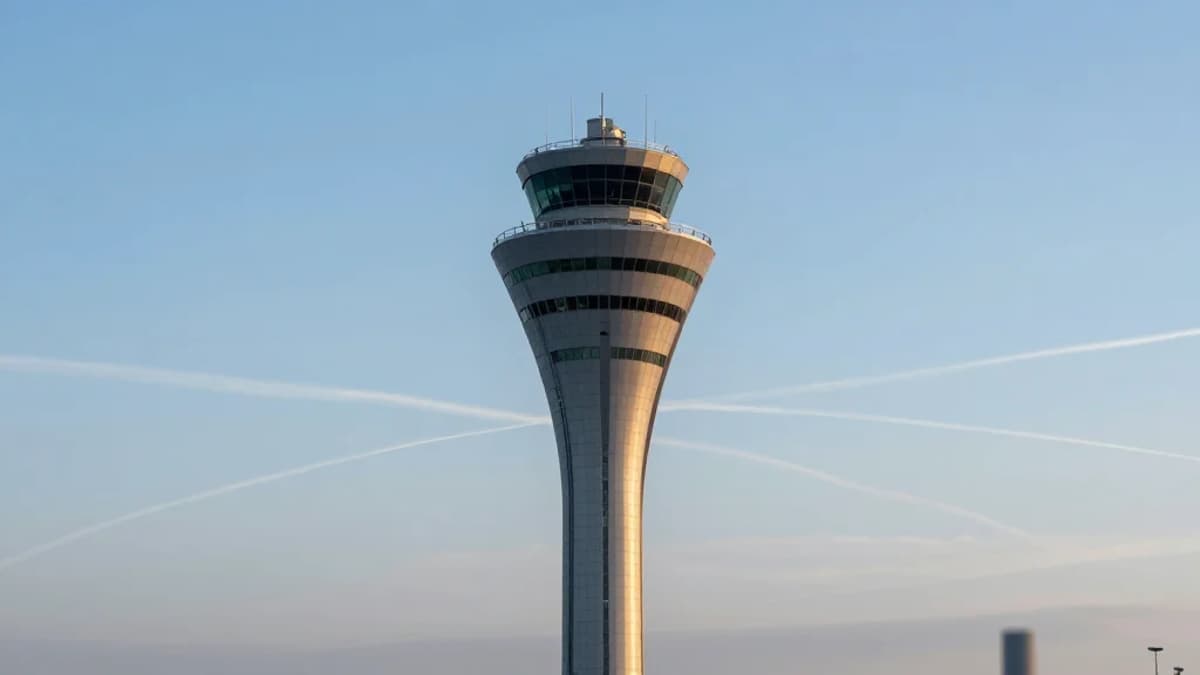
CAAS Makes Plans for Singapore’s Airspace
•March 4, 2026
0
Why It Matters
By bolstering capacity and safety, CAAS protects Singapore’s position as a key regional hub, directly influencing airline schedules, passenger volumes, and broader economic activity in the Asia‑Pacific aviation market.
Key Takeaways
- •CAAS oversees 670,000 km² airspace with 400 ATCOs.
- •676,000 aircraft movements handled annually across Singapore FIR.
- •Changi Airport expects 374,000 movements in 2025, +2.2%.
- •Safety, sustainability, efficiency guide NASP 2025‑27.
- •Workforce development and new tech address traffic growth.
Pulse Analysis
Singapore’s air navigation landscape sits at the crossroads of unprecedented regional demand. Forecasts predict the Asia‑Pacific will account for a sizable share of global flight movements over the next decade, pressuring existing airspace structures. CAAS’s stewardship of a 670,000 km² FIR, coupled with a modest but highly skilled cadre of 400 air‑traffic control officers, positions it to absorb this surge, but only if capacity, procedures, and infrastructure evolve in lockstep with traffic trends.
Central to the authority’s roadmap is a three‑pronged focus on safety, sustainability and efficiency. The National Aviation Safety Plan 2025‑27 codifies rigorous risk‑based oversight, while sustainability initiatives target reduced emissions through optimized flight paths and greener ground operations. Efficiency gains stem from performance‑based navigation and collaborative decision‑making, which together aim to shave minutes off flight times and lower fuel burn. These measures not only safeguard passengers but also align Singapore with global climate commitments and industry best practices.
Equally critical is CAAS’s investment in people and technology. A comprehensive workforce development program seeks to upskill controllers in data analytics, artificial intelligence, and digital tower concepts, ensuring the human element keeps pace with automation. Emerging tools such as trajectory‑based operations and real‑time airspace analytics promise to enhance situational awareness and throughput. For airlines, these advancements translate into more reliable slots, reduced delays, and a stronger competitive edge, reinforcing Singapore’s role as a pivotal gateway in the fast‑growing Asia‑Pacific aviation ecosystem.
CAAS makes plans for Singapore’s airspace
0
Comments
Want to join the conversation?
Loading comments...