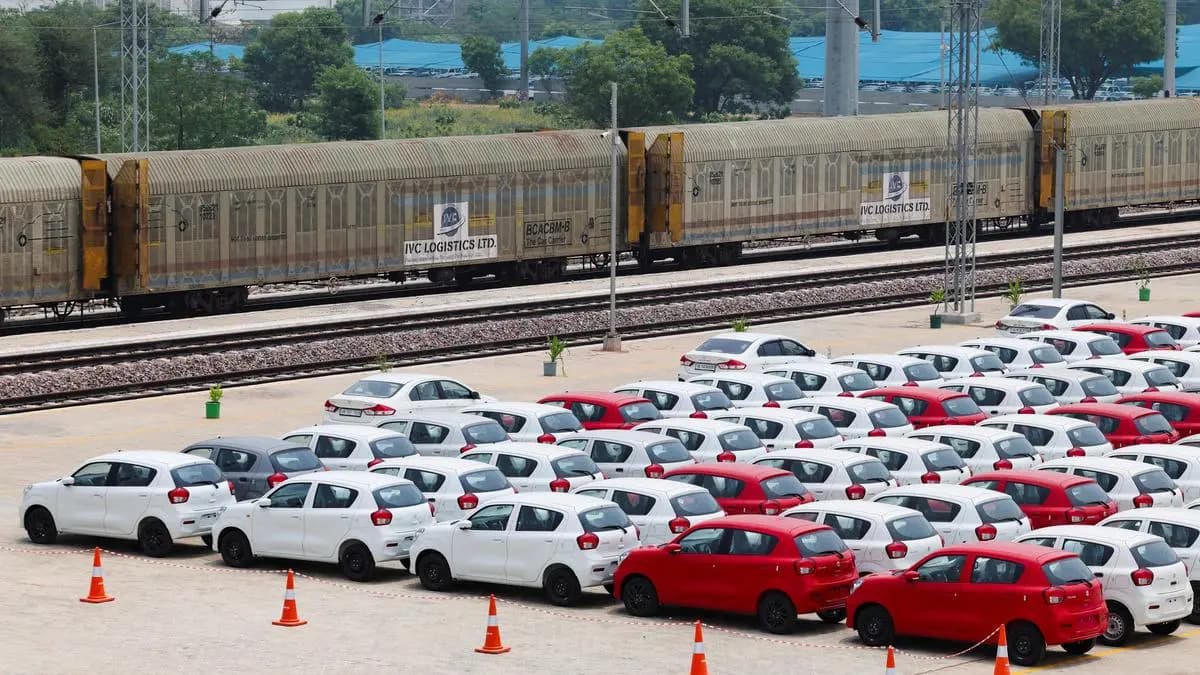
CAFE-3 Shake-Up: Govt Set to Ease Norms for Small Cars; Crucial April 16 Meet to Seal Final Rules
Why It Matters
Easing small‑car targets and introducing emissions pooling give manufacturers leeway to prioritize compact models, potentially shifting market dynamics and investment plans.
Key Takeaways
- •April 16 meeting will finalize CAFE‑3 rules
- •Small‑car CO₂ targets relaxed, larger vehicles tightened
- •CO₂ pooling allows three‑year emissions averaging
- •Automakers may shift focus to compact vehicle line‑ups
- •Final recommendations sent to PMO for approval
Pulse Analysis
The Indian government’s upcoming CAFE‑3 framework marks a pivotal regulatory shift, reflecting a balancing act between aggressive emission cuts and industry viability. By flattening the CO₂ target slope, policymakers aim to reduce compliance strain on lightweight vehicles that dominate the domestic market, while still tightening benchmarks for fuel‑hungry SUVs. This nuanced approach acknowledges the country’s unique vehicle mix and the need to keep affordable mobility options accessible as climate goals tighten.
A standout feature of the revised draft is the introduction of a CO₂ pooling mechanism. Under this scheme, automakers can offset shortfalls in one fiscal year with excess performance in subsequent years, smoothing out the five‑year compliance curve. The three‑year averaging window, applied twice within the cycle, offers strategic flexibility, especially for manufacturers rolling out new powertrains or electrified models. Early industry feedback suggests that the relaxed targets for models like the Maruti Alto and Hyundai Grand i10 could spur a resurgence in compact‑car development, while the stricter limits for vehicles such as the Mahindra Scorpio and Tata Harrier will pressure OEMs to accelerate efficiency upgrades.
For the automotive sector, the April 16 stakeholder meeting is more than a procedural checkpoint; it is a decisive moment that will shape product pipelines, investment allocations, and competitive positioning for the next half‑decade. Companies that can leverage the pooling provision to manage emissions risk may gain a cost advantage, while those heavily invested in larger SUVs will need to accelerate lightweighting or hybridisation efforts. As the final recommendations head to the Prime Minister’s Office, the outcome will signal how aggressively India will pursue its climate agenda without compromising the growth of its mass‑market vehicle segment.
CAFE-3 shake-up: Govt set to ease norms for small cars; crucial April 16 meet to seal final rules
Comments
Want to join the conversation?
Loading comments...