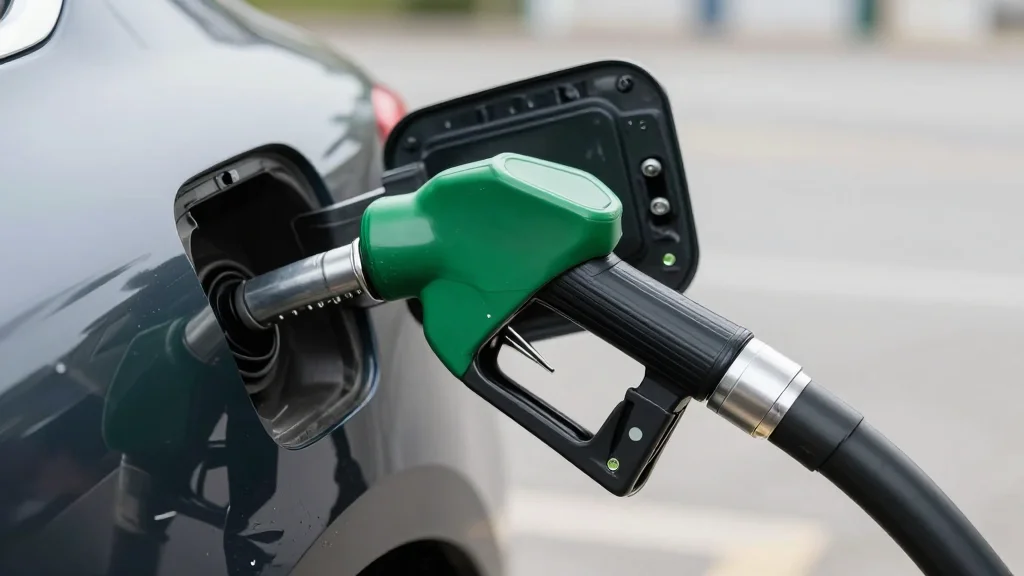
California Approves Bill to Ease E85 Conversion Kit Restrictions, Aiming to Cut Driver Costs

Why It Matters
The legislation targets a critical pain point for California drivers: soaring gasoline prices that have topped $6 per gallon. By lowering regulatory hurdles for E85 conversion kits, the state hopes to broaden access to a cheaper, domestically produced fuel, potentially reducing reliance on imported oil and cushioning consumers from geopolitical price shocks. At the same time, the move raises questions about real-world emissions reductions, given concerns about land‑use changes tied to corn‑based ethanol and the lower fuel economy of E85. The outcome will influence not only California’s fuel market but also national discussions on alternative‑fuel policy and the role of ethanol in meeting climate targets. If the bill becomes law, manufacturers may see a surge in demand for conversion kits, prompting investment in certification processes and possibly spurring the construction of new E85 dispensing stations. Conversely, if the mileage penalty outweighs cost savings for drivers, adoption could stall, leaving the policy’s intended economic relief unfulfilled. The decision will also signal how aggressively state regulators are willing to adjust climate‑related rules in response to short‑term consumer pressures.
Key Takeaways
- •California Assembly passed AB 2046 with a unanimous 59‑0 vote.
- •Bill would exempt E85 conversion‑kit makers from CARB certification, keeping only EPA approval.
- •Approximately 1.3 million California vehicles could use E85, but only 640 stations currently offer the blend.
- •E85 typically sells $2+ per gallon cheaper than gasoline, but provides 20‑30 % lower fuel economy.
- •Conversion kits cost $800‑$1,250; gasoline prices have risen above $6 per gallon.
Pulse Analysis
California’s push to streamline E85 conversion kit approvals reflects a broader tension between short‑term consumer relief and long‑term climate objectives. Historically, ethanol has been championed as a bridge fuel, offering a domestic alternative to volatile oil markets. Yet the modest market share—just 3 % of fuel pumps—suggests that regulatory friction, combined with limited consumer awareness, has kept the blend on the margins. By removing CARB’s state‑level gatekeeping, the bill could catalyze a modest expansion of the E85 ecosystem, especially if the Senate and Governor endorse it swiftly.
The economic calculus for drivers hinges on the price spread between E85 and gasoline. With gasoline above $6 per gallon, a $2‑plus discount on E85 translates into a per‑mile cost advantage only if the mileage penalty does not erode savings. Early adopters may be price‑sensitive commuters, while fleet operators could weigh the trade‑off between fuel cost and vehicle range. If demand spikes, we could see a rapid rollout of new E85 pumps, which would also benefit Pearson Fuels and other regional distributors.
From an environmental perspective, the policy’s impact is ambiguous. While E85 scores lower under California’s Low Carbon Fuel Standard, critics argue that lifecycle emissions—particularly from corn cultivation and land‑use change—are under‑reported. Should the state see a surge in ethanol demand, the agricultural sector may experience intensified pressure, potentially offsetting any tailpipe emission gains. Policymakers will need to monitor real‑world emissions data to ensure that the fuel’s touted climate benefits materialize.
Overall, AB 2046 could serve as a test case for how flexible regulatory frameworks influence alternative‑fuel adoption. If successful, other states might emulate California’s approach, reshaping the national ethanol market. If the mileage penalty proves a deterrent, the bill may illustrate the limits of price‑based incentives in driving a meaningful shift away from gasoline.
California Approves Bill to Ease E85 Conversion Kit Restrictions, Aiming to Cut Driver Costs
Comments
Want to join the conversation?
Loading comments...