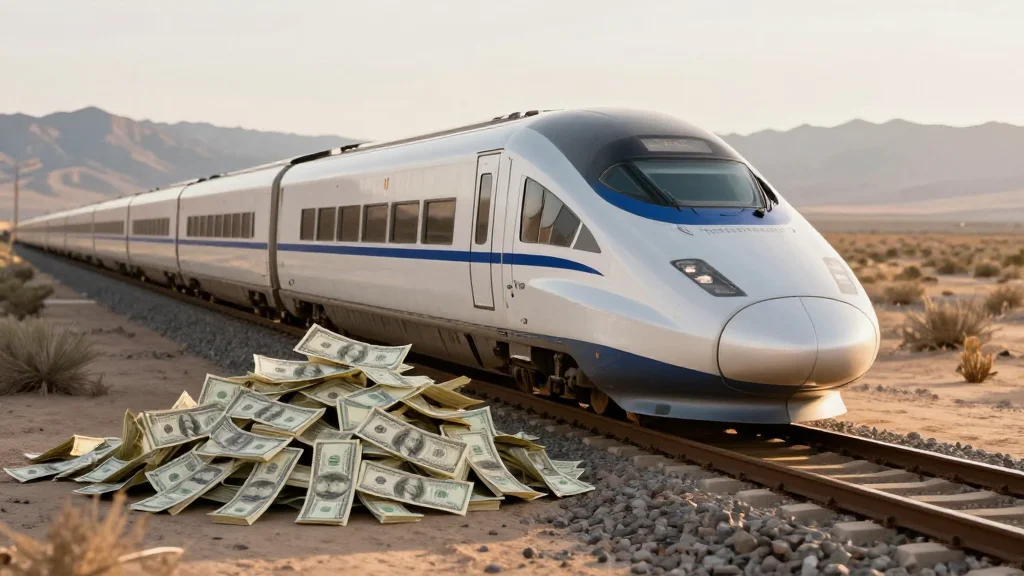
California High‑Speed Rail Cost Swells to $231 Billion, Lawmakers Call for Project’s End

Why It Matters
The cost explosion of California’s high‑speed rail project highlights the perils of overly optimistic infrastructure budgeting, especially when projects depend on uncertain future funding. As the nation grapples with aging transit systems and climate‑driven mobility goals, the California case serves as a cautionary tale for other states considering similar rail ambitions. Beyond the immediate fiscal impact, the controversy could reshape federal‑state dynamics on transportation financing. A decision to abandon or dramatically scale back the project may prompt Congress to tighten oversight on grant allocations, while also influencing private investors’ appetite for large‑scale rail ventures. The ripple effects could affect everything from regional economic development plans to the broader push for high‑speed rail corridors across the United States.
Key Takeaways
- •Revised cost estimate now $231 billion, up from the original $33 billion approved in 2008.
- •Project has already spent $14 billion on land acquisition and Central Valley construction.
- •State lawmakers Sen. Tony Strickland and Rep. Kevin Kiley are calling for the project’s termination.
- •Phase 1 estimate $126 billion; Central Valley segment alone projected at $34.8 billion.
- •Completion of the Merced‑to‑Bakersfield segment now targeted for 2032, with 119 miles under construction.
Pulse Analysis
The California high‑speed rail debacle illustrates a classic mismatch between political ambition and fiscal reality. Early estimates were anchored in optimistic ridership forecasts and a narrow view of construction costs, a pattern repeated in other U.S. rail proposals. When the Legislative Analyst’s Office unveiled the $231 billion figure, it forced a reckoning that went beyond numbers—it exposed governance gaps, such as the authority’s shifting scope without clear legislative approval.
Historically, megaprojects that rely on phased funding often stumble when early phases consume a disproportionate share of the budget, leaving later stages under‑financed. In California, the $14 billion already spent represents roughly 6% of the new estimate, yet it has yielded only a fraction of the promised mileage. This inefficiency fuels the political backlash and raises doubts about the state’s ability to marshal the billions needed for completion. The situation also underscores the importance of transparent, incremental budgeting that ties each construction milestone to secured financing.
Looking ahead, the high‑speed rail saga could catalyze a shift toward more pragmatic, regionally focused rail solutions. Rather than a single, statewide corridor, policymakers might prioritize upgrading existing freight lines for passenger use, leveraging private‑public partnerships that limit exposure to cost overruns. The outcome of the upcoming Senate hearings will likely set a precedent for how aggressively states can pursue large‑scale rail projects without clear, upfront funding commitments, influencing the next generation of U.S. transportation infrastructure planning.
California High‑Speed Rail Cost Swells to $231 Billion, Lawmakers Call for Project’s End
Comments
Want to join the conversation?
Loading comments...