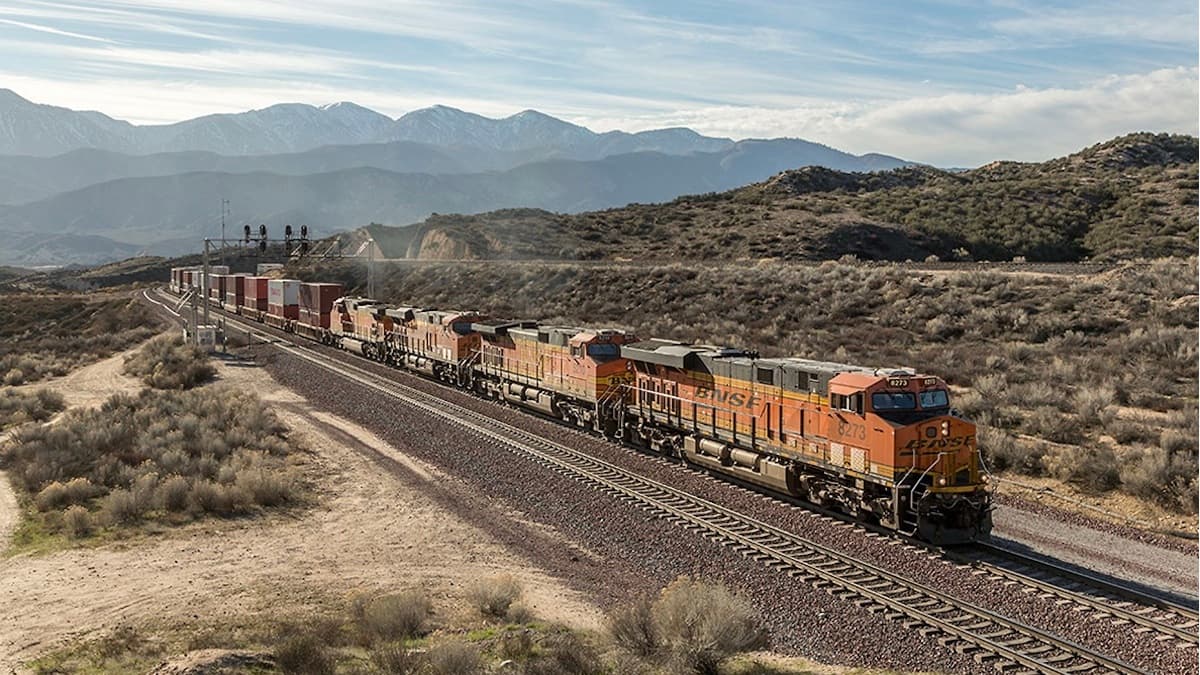
California Rail Intermodal, BNSF Secures Local Approval for the $4 Billion Construction Project
Why It Matters
The hub will enhance California’s freight competitiveness by reducing port dwell times and transportation costs, while supporting decarbonization through a modal shift to rail. Its economic ripple effects are expected to boost regional employment and logistics efficiency.
Key Takeaways
- •$4 billion intermodal hub approved, entering pre‑construction phase.
- •Project aims to cut port congestion and improve inland freight flow.
- •BNSF expects job creation and regional economic boost during build‑out.
- •Design includes advanced cargo‑handling and environmental mitigation measures.
- •Faster rail‑truck transfers will lower logistics costs and emissions.
Pulse Analysis
Rising freight volumes along the West Coast have exposed the limits of existing port‑adjacent rail yards, prompting investors and policymakers to seek inland solutions. BNSF Railway’s $4 billion California Rail Intermodal Project is a direct response, creating a high‑capacity terminal that connects the Ports of Los Angeles and Long Beach with a network of inland distribution centers. By shifting container handling away from congested coastal bottlenecks, the hub promises faster turnaround times, reduced truck miles, and a more resilient supply chain for manufacturers and retailers.
The project’s design emphasizes both operational efficiency and environmental stewardship. Advanced cargo‑handling systems, expanded rail yards, and automated scheduling platforms will streamline the rail‑to‑truck transfer process. Simultaneously, rigorous water‑management plans and emissions controls aim to mitigate local impacts, addressing community concerns that have historically slowed infrastructure projects in California. Construction is projected to generate thousands of jobs, stimulating the regional economy through demand for engineering services, materials, and logistics support.
Strategically, the intermodal hub dovetails with other Southern California freight initiatives, such as the Barstow International Gateway, reinforcing a corridor that could become the backbone of trans‑Pacific trade. By reducing reliance on highway freight, the project contributes to national decarbonization goals and lowers transportation costs for shippers. As digital logistics platforms integrate with the new terminal’s scheduling systems, the facility is poised to set a benchmark for modern, data‑driven freight infrastructure across the United States.
California Rail Intermodal, BNSF Secures Local Approval for the $4 Billion Construction Project
Comments
Want to join the conversation?
Loading comments...