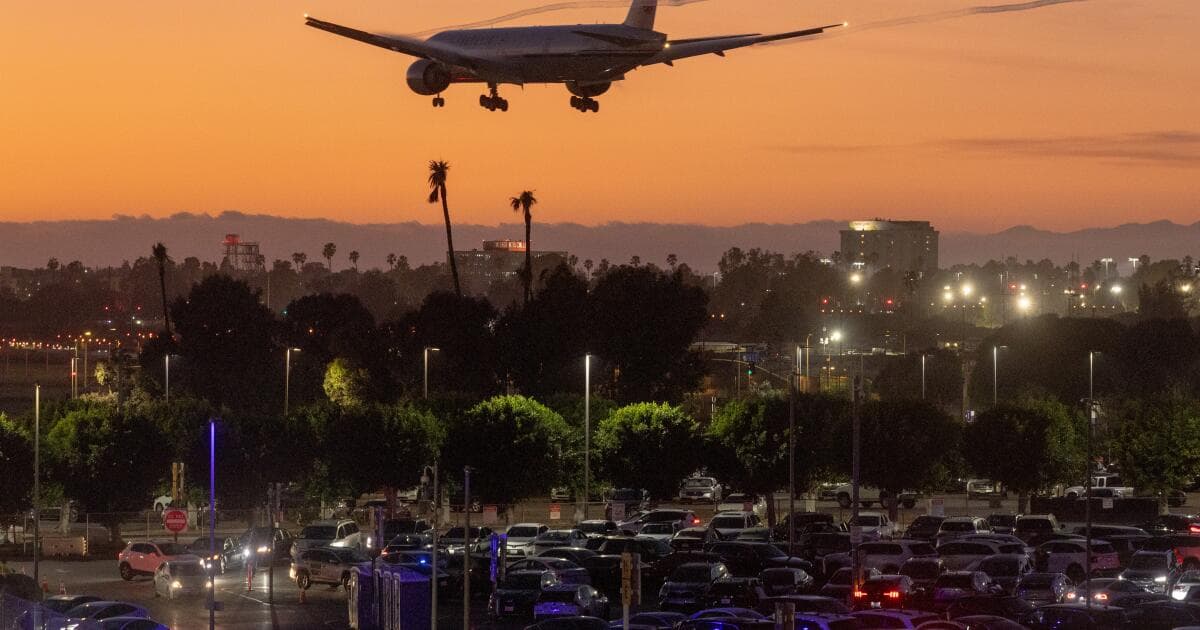
California's Jet Fuel Stockpile Hits Two-Year Low, Putting 'Black Cloud' Over Summer Travel
Companies Mentioned
Why It Matters
The tightening jet‑fuel market threatens higher ticket prices and possible flight cancellations, directly affecting the tourism surge around the 2026 World Cup and the profitability of budget airlines in the West Coast corridor.
Key Takeaways
- •Jet fuel stock in California fell 25% to 2.6 million barrels.
- •Lowest level since 2023, threatening summer travel and World Cup.
- •Prices doubled since Iran conflict, squeezing low‑margin airlines.
- •State refineries operate at ~18% reduced capacity due to regulations.
- •Global supply constraints could force flight cancellations and fare hikes.
Pulse Analysis
The recent plunge in California’s jet‑fuel reserves underscores how geopolitical shocks can ripple through regional aviation markets. The Iran conflict has throttled crude shipments through the Strait of Hormuz, forcing global inventories to shrink. California, unlike most U.S. states, relies on a fragmented pipeline system and a limited number of coastal refineries, making it especially vulnerable to any disruption in Middle‑East supply. As inventories dip below the one‑year‑ago peak, the state’s fuel buffer is now at a two‑year low, prompting industry watchers to flag a potential supply crunch ahead of the summer travel season.
Airlines are already feeling the strain. With jet‑fuel prices doubling since the onset of the conflict, carriers that operate thin profit margins—particularly ultra‑low‑cost players—are reassessing route economics. Some have trimmed schedules, while others warn of fare spikes that could deter price‑sensitive travelers. The timing is critical: the 2026 World Cup will draw millions to Los Angeles, and any fuel‑related capacity constraints could translate into higher ticket costs or reduced flight availability for fans and tourists alike. The situation mirrors recent European disruptions, where airlines like Lufthansa cut tens of thousands of flights to preserve cash flow.
Policy makers and industry leaders face a crossroads. California’s refining sector has shed roughly 18% of its capacity due to stricter environmental regulations and tax burdens, limiting domestic fuel production when imports are constrained. Experts suggest diversifying supply routes, expanding strategic reserves, and streamlining permitting for refinery upgrades to mitigate future shocks. In the broader context, the episode highlights the need for a more resilient U.S. fuel infrastructure that can absorb geopolitical turbulence without passing excessive costs onto consumers.
California's jet fuel stockpile hits two-year low, putting 'black cloud' over summer travel
Comments
Want to join the conversation?
Loading comments...